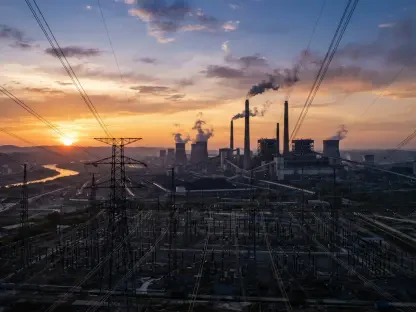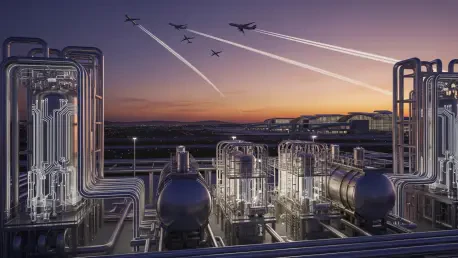

The silhouettes of commercial jets tracing paths across the European horizon once represented the pinnacle of global connectivity, but today they symbolize a profound reliance on fragile foreign supply chains. With the global oil market increasingly hostage to the volatility of the Strait of Hormuz and escalating Middle Eastern tensions, the liquid energy powering the continent’s aviation sector has become a strategic liability.
This vulnerability has triggered an urgent search for alternatives that offer more than just a lower carbon footprint. Synthetic aviation fuel is no longer viewed as an environmental luxury; rather, it has become a necessary shield against the unpredictable nature of foreign energy dependence. The shift marks a fundamental change in how Europe approaches its skies, moving from a focus on green targets to the preservation of national security.
The Geopolitical Fragility of the European Sky
The stability of the European flight network currently rests on a razor-thin margin of geopolitical peace in oil-rich regions. Recent disruptions in the Middle East have demonstrated that a single flare-up in maritime corridors can threaten the continuity of the entire transportation sector. This precarious position forces European nations to navigate a complex web of diplomacy just to keep their aircraft in the air.
Consequently, the reliance on traditional kerosene exposes the continent to external price shocks and supply manipulation. Because energy security is the bedrock of economic stability, the persistent need for imported fossil fuels represents a systemic weakness that many leaders are now unwilling to tolerate. The era of assuming uninterrupted fuel flows from distant shores is rapidly coming to an end.
The Strategic Shift From Sustainability to Sovereignty
While aviation accounts for about 4% of the European Union’s greenhouse gas emissions, the impetus for adopting synthetic fuels has moved beyond ecology. The modern conversation centers on strategic autonomy and the ability to operate independently of global supply chain risks. Transitioning to e-SAF allows the continent to decouple its transportation needs from the whims of foreign producers and geopolitical blackmail.
Furthermore, there is a growing skepticism toward traditional biofuels that often rely on imported waste fats, particularly from East Asia. These alternatives carry their own logistical baggage and supply chain vulnerabilities that can be just as problematic as oil. By prioritizing synthetic options produced within its own borders, Europe is attempting to build a truly sovereign energy infrastructure.
The Technical Reality and Regulatory Mandates of e-SAF
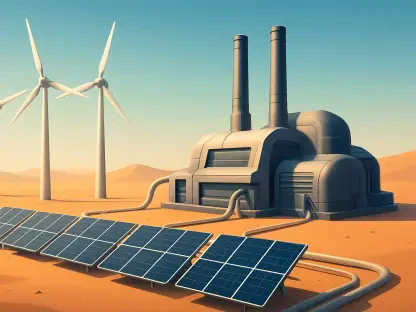
Electro-sustainable aviation fuel, or e-SAF, offers a high-tech solution by synthesizing hydrogen with captured carbon dioxide to create a direct kerosene equivalent. To accelerate adoption, the European Union has mandated a 1.2% synthetic blend by 2030, with a steep climb to 35% by mid-century. This legal framework provides the necessary regulatory certainty, yet the industrial capacity to meet these goals remains in its infancy.
Currently, the continent relies on a single functional plant near Frankfurt to demonstrate the viability of this technology. Moving from a single facility to an industry-wide standard requires a massive expansion of production. The gap between the ambitious 2030 targets and the current physical output highlights the immense scale of the industrial transformation that is required in the coming years.
Overcoming the Economic Financing Gap and Military Concerns
The primary hurdle to this transition remains the staggering cost of production, which is currently ten times higher than conventional jet fuel. This price disparity has created a significant financing gap, leaving dozens of planned projects in a state of paralysis. Without massive capital investment and long-term price guarantees, the infrastructure needed to secure European energy independence remains largely theoretical.
Despite these economic challenges, military organizations have emerged as vocal proponents of domestic synthetic fuel production. Defense leaders view these facilities as essential assets for maintaining operational reliability during times of international conflict. For the military, the high cost of synthetic kerosene was a secondary concern compared to the risk of being grounded by a severed global supply line.
A Roadmap for Scaling Domestic Synthetic Fuel Infrastructure
The strategy for bridging the gap between mandates and reality required a coordinated effort to de-risk private investment. Policymakers identified that establishing dedicated financing mechanisms was the only way to launch the nine large-scale facilities needed by 2030. They sought to create a stable economic environment where innovation could thrive without the constant threat of market volatility.
Ultimately, the successful scaling of this infrastructure depended on securing long-term commercial contracts and creating local resource loops. By prioritizing fuel produced entirely within European borders, the continent moved toward a future where flight was no longer tethered to foreign oil. This transition was viewed as the definitive step in transforming the aviation sector from a strategic liability into a pillar of regional sovereignty.