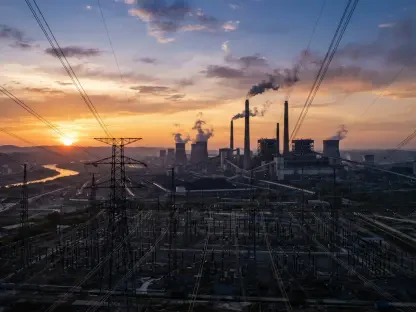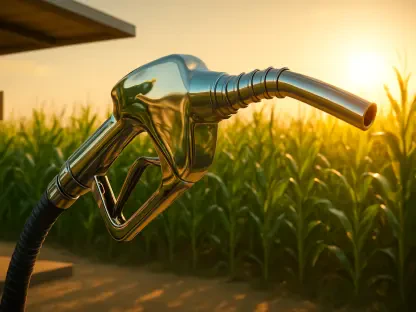

The global transportation sector currently stands at a critical crossroads where the immediate necessity for decarbonization clashes with the rigid reality of existing heavy-duty infrastructure. As of 2026, the global biodiesel market is valued at approximately $54.9 billion, a figure that is projected to soar beyond $89 billion by the year 2033. This impressive growth is not merely a byproduct of environmental idealism but a pragmatic response to the limitations of electrification in the shipping and trucking industries. Biodiesel offers a “drop-in” solution that functions within current diesel engines without necessitating expensive hardware overhauls or new fuel distribution networks. Unlike hydrogen or battery-electric systems that require entirely new supply chains, biodiesel leverages the billions of dollars already invested in liquid fuel logistics. This compatibility provides a bridge for heavy industries to reduce their carbon footprint immediately while larger structural shifts in the global energy grid continue to evolve.
The Impact of Policy and Legislation
Legislative Mandates: Driving Market Demand
The legislative landscape acts as the most significant catalyst for the sustained expansion of the renewable fuel industry today. Governments across various continents have implemented rigorous blending mandates that require fuel distributors to integrate specific volumes of biodiesel into their standard petroleum offerings. These regulations effectively create a guaranteed market for producers, insulating them from some of the volatility typically associated with emerging energy technologies. By institutionalizing these requirements, policymakers are sending a clear signal to the logistics and transport sectors that carbon intensity must decrease according to a fixed schedule. Such mandates are often paired with tax incentives and subsidies that bridge the price gap between traditional diesel and its greener counterparts. This structured approach ensures that the transition to cleaner energy is not left solely to market whims but is instead a managed progression toward established ecological benchmarks.
Global Commitments: Building Long-Term Confidence
Beyond immediate regulatory quotas, the overarching commitment to achieving net-zero emissions serves as a fundamental pillar for long-term industrial planning and investment. Energy companies are increasingly viewing biodiesel as a vital component of their diversified portfolios, allowing them to meet stringent ESG criteria while maintaining operational continuity. The clarity provided by government-led roadmaps allows for the allocation of massive capital toward the construction of biorefineries and large-scale storage facilities. Investors are more likely to fund these projects when they see a predictable legislative environment that penalizes high-carbon alternatives while rewarding sustainable innovations. This alignment between public policy and private finance is transforming biodiesel from a specialized niche product into a cornerstone of the global energy strategy. As the world moves closer to mid-century climate targets, the role of liquid biofuels becomes even more critical in sectors where electrification remains unfeasible.
Raw Materials and Production Technology
Sustainable Feedstocks: Transitioning to a Circular Economy
A fundamental transformation is currently taking place in the sourcing of raw materials, moving the industry toward a more sustainable circular economy model. While early biodiesel production relied heavily on virgin vegetable oils like soybean and rapeseed, the modern focus has shifted toward waste valorization to mitigate the competition between food and fuel. Significant investments are being poured into the collection and processing of used cooking oil, yellow grease, and animal fats, which were previously treated as burdensome waste products. By repurposing these materials, producers can significantly lower their carbon intensity scores and reduce the overall cost of production. This shift not only improves the environmental profile of the fuel but also addresses the ethical concerns regarding land use and biodiversity loss. The integration of advanced logistical networks to collect these waste streams from restaurants and industrial food processors has become a vital part of the supply chain, ensuring a steady flow.
Technological Innovations: Enhancing Fuel Quality and Efficiency
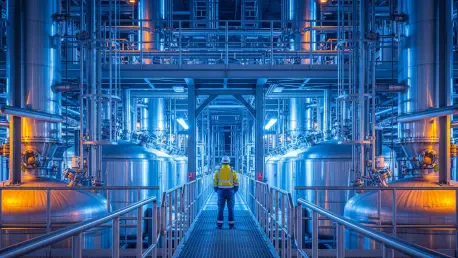
Technological breakthroughs in chemical engineering are simultaneously expanding the types of materials that can be converted into high-quality fuel. Processes such as advanced alcohol trans-esterification and hydro-heating have reached a level of maturity that allows for the handling of feedstocks with high acidity or moisture content. These innovations enable the production of a more stable and refined fuel that performs exceptionally well even in the sub-zero temperatures often encountered by heavy-duty logistics and maritime transport. By refining the molecular structure of the fuel, engineers have ensured that modern biodiesel meets or exceeds the performance standards of ultra-low sulfur diesel. This technical reliability is essential for gaining the trust of fleet operators who cannot afford the risk of engine failure or increased maintenance cycles. As production facilities become more efficient, the energy return on investment for biodiesel continues to improve, making it an increasingly competitive alternative to fossil fuels.
Industrial Adoption and Market Players
Broadening Applications: Decarbonizing Hard-to-Abate Sectors
Industrial sectors that were once considered hard-to-abate are now leading the charge in the adoption of biodiesel as their primary decarbonization strategy. The global maritime industry, facing intense pressure from international shipping regulations to lower sulfur and carbon emissions, has found biodiesel to be an ideal solution for existing oceanic fleets. Since ships have exceptionally long lifespans, replacing them with ammonia or hydrogen-powered vessels is a decades-long process that cannot wait for the urgent needs of today. Similarly, the agricultural sector is creating localized energy cycles by using biodiesel produced from their own crop residues or waste to power tractors and harvesting machinery. This self-sufficiency reduces the reliance on external fuel supplies and provides a cushion against the fluctuations of the global oil market. These diverse applications demonstrate that the utility of biodiesel extends far beyond road transport, serving as a versatile source for backup power generation.
Corporate Strategy: Vertical Integration and Market Leadership
The competitive landscape of the energy market is being reshaped as major agricultural processors and traditional oil conglomerates pursue aggressive vertical integration. These organizations are no longer content with just refining fuel; they are acquiring feedstock suppliers and building massive distribution networks to secure their place in the green economy. By controlling the entire process from the collection of waste oils to the final point of sale, these companies can better manage price volatility and ensure a consistent supply for their commercial clients. Strategic partnerships between renewable energy firms and traditional logistics giants have become common as both parties seek to leverage their respective strengths. This consolidation of resources allows for greater economies of scale, which is essential for bringing down the market price of biodiesel. As these large players continue to expand their renewable portfolios, the infrastructure for biodiesel is becoming as robust and reliable as the fossil fuel systems.
Regional Perspectives and Energy Independence
Western Markets: Prioritizing Decarbonization and Compliance
Regional approaches to biodiesel adoption are often dictated by a combination of environmental ambition and available local resources. In North America and Europe, the primary motivation for shifting toward biofuels is the need to comply with aggressive net-zero legislation and reduce the overall carbon footprint of corporate supply chains. Large-scale retailers and logistics firms in these regions are increasingly demanding lower-carbon transportation options to satisfy environmentally conscious consumers and investors. This has led to the development of sophisticated carbon credit markets where the emissions savings from using biodiesel can be quantified and traded. The focus here remains on the high-tech optimization of supply chains and the rigorous tracking of feedstock origins to ensure maximum sustainability. For these developed economies, biodiesel is a critical tool for maintaining high levels of industrial productivity while simultaneously meeting the ethical and legal requirements of the current low-carbon economy.
Emerging Economies: Strengthening Energy Security and Sovereignty
In contrast, many emerging economies in Asia and Latin America view the expansion of the biodiesel industry through the lens of national energy security and economic resilience. For countries with large agricultural sectors, producing fuel domestically from surplus crops or processing waste provides a vital buffer against the unpredictability of international crude oil prices. By reducing their dependence on imported fossil fuels, these nations can keep more capital within their borders and support local farming communities. In regions like Southeast Asia and Brazil, biodiesel programs are often integrated with rural development initiatives that provide jobs and infrastructure in previously underserved areas. This dual focus on economic stability and environmental progress makes biodiesel an attractive option for governments that must balance growth with sustainability. These localized production models serve as a blueprint for other developing nations looking to achieve energy independence while participating in the global transition.
The Future Landscape: Establishing Sustainable Energy Resilience
The progression of the biodiesel industry demonstrated that meaningful environmental change was achievable when technological innovation aligned with practical infrastructure. Decision-makers in the mid-2020s recognized that waiting for a perfect, universal solution like hydrogen was less effective than implementing immediate, scalable technologies. By utilizing the existing logistical frameworks and engine designs, the global economy managed to shave significant percentages off its total carbon output without triggering industrial paralysis. The transition was further solidified as producers moved toward a circular feedstock model, effectively decoupling fuel production from the food supply chain. Moving forward, organizations should prioritize the integration of artificial intelligence to optimize supply chain logistics and feedstock collection. These efforts proved that a pragmatic, tiered approach to clean energy was the most viable path for a world requiring both sustainability and economic stability.