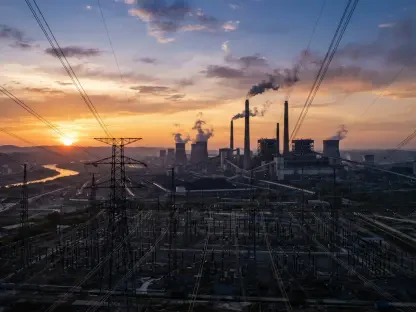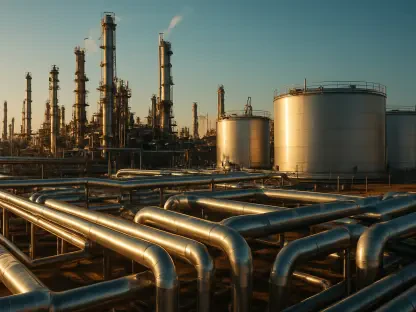

The global transition toward sustainable energy has reached a critical juncture where the biological potential of microalgae is finally being harnessed as both a high-density fuel and a carbon sequestration tool. This biological powerhouse offers a dual benefit that traditional renewables often struggle to replicate: it serves as a robust liquid fuel source while simultaneously acting as a carbon sponge to mitigate heavy industrial emissions at the source. By recycling waste carbon dioxide directly from factory exhaust streams, algae farms provide a realistic path for heavy industries to meet increasingly strict environmental targets without necessitating a total sacrifice of operational productivity. This symbiotic relationship between manufacturing and bio-energy production creates a closed-loop system where pollutants are transformed into precursors for biodiesel and jet fuel. As domestic energy security becomes a central pillar of international stability, the role of phototrophic organisms is expanding across infrastructure.
The Strategic Advantage: Land Use and Production Efficiency
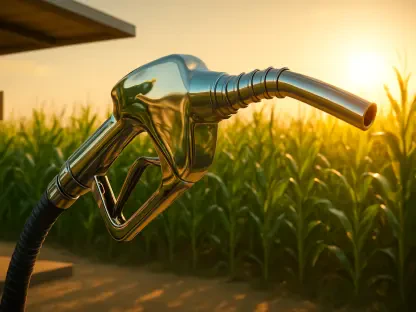
A primary advantage of algae is its sheer biological efficiency compared to traditional biomass sources like corn or soybeans. Estimates suggest that microalgae can produce significantly more fuel per acre than conventional crops, often exceeding their output by a factor of ten or more in ideal conditions. Because it can be cultivated on non-arable land using non-potable or brackish water, it avoids the common food-versus-fuel conflict that has long hindered the expansion of the first-generation biofuels industry. This land-use efficiency allows for the development of massive energy hubs in desert regions or coastal areas that are otherwise unsuitable for agriculture. Furthermore, the rapid growth cycle of microalgae means that harvests occur daily rather than seasonally, providing a constant and predictable supply of feedstock for refinery operations. This reliability is essential for stabilizing energy markets and reducing the volatility associated with traditional crop-based fuels.
The corporate landscape is also undergoing a significant transformation as the sector matures into a specialized technology industry. While traditional oil giants have largely stepped back from the sector in favor of more immediate returns, a new wave of agile technology firms and automotive manufacturers is taking the lead. These specialized stakeholders are moving away from broad, one-size-fits-all applications, focusing instead on niche markets where electricity is not yet a viable or cost-effective solution. Companies like Viridos and various aerospace startups are prioritizing high-performance biofuels for long-haul transport and aviation. This shift in investment indicates a strategic pivot toward high-value fuel products that complement, rather than compete with, the growing electric vehicle market. By targeting these specific sectors, the new leaders in algae technology are ensuring the long-term economic viability of their operations through specialized contracts.
National Energy Policy: Public Infrastructure and Domestic Biomass
Recent energy policy in the United States has emphasized a framework of energy dominance, categorizing biomass as a critical domestic resource for the period spanning from 2026 to 2030. This shift has led to high-visibility public projects, such as the strategic use of national monument peripheries to showcase algae cultivation technologies. These demonstrations aim to prove that sustainable energy can be integrated directly into the heart of national infrastructure, though they remain a subject of debate regarding the best use of public lands. By placing these bioreactors in prominent locations, the government is making a clear statement about the priority of renewable fuel production in the national security agenda. These sites serve as both functional energy producers and educational hubs, illustrating the complex intersection of environmental stewardship and energy independence. The initiative represents a bold departure from traditional land management, favoring active bio-industrial utility.
These high-profile initiatives serve to normalize the presence of bio-industrial processes in public life, moving them from hidden labs to visible urban and rural landscapes. While some critics view these projects as mere energy theater, supporters argue they are necessary to visualize a transition powered by domestic biomass. The involvement of various government agencies and specialized maintenance teams underscores the strategic priority that policymakers now place on developing homegrown, renewable fuel sources. This collaborative effort ensures that the infrastructure required for algae cultivation is maintained to the highest standards, minimizing environmental risks while maximizing output. As these systems become more common, the public perception of industrial biology is expected to shift from skepticism to acceptance. The integration of photobioreactors into the built environment highlights a commitment to a multi-faceted energy strategy that values biological innovation.
Decarbonizing Logistics: Maritime and Heavy Industry Applications
The industrial sector is increasingly looking toward algae-based diesel substitutes for heavy-duty applications where electrification remains a challenge. In fields like agriculture, maritime shipping, and construction, the weight and charging requirements of high-capacity batteries remain prohibitive for many critical operations. Microalgae offer a drop-in solution that works with existing engine architectures, providing the high energy density required for moving heavy loads over long distances without the need for extensive retrofitting. This compatibility allows companies to reduce their carbon footprint immediately, using the infrastructure they already own. International shipping firms are particularly interested in these biofuels to meet new global emissions standards for ocean-faring vessels. By blending algae-derived lipids with traditional marine fuels, operators can achieve significant reductions in particulate matter while maintaining the power output necessary for transoceanic voyages.
International firms are leading this charge by engineering microalgae to optimize oil content and speed up reproduction in large-scale environments. By focusing on the metabolic processes of photosynthesis, these companies are creating continuous production cycles designed for high-volume output across diverse climates. This expansion is already reaching global markets, including significant projects in the Middle East aimed at decarbonizing the aviation and maritime sectors through massive desert-based algae farms. These facilities leverage high solar radiation and saline water sources to produce consistent yields throughout the year. The collaboration between international energy firms and local governments in these regions demonstrates a shared commitment to diversifying the global energy mix. As these projects scale, the cost of production is expected to drop, making bio-kerosene a competitive alternative for the airline industry. This globalized approach ensures a steady supply of low-carbon fuels.
Technical Optimization: Scaling for Carbon Negative Mobility
In the consumer automotive world, manufacturers are pushing the boundaries of what biofuels can achieve by aiming for genuine carbon negativity. By combining algae-sourced fuel with onboard carbon capture systems, new concept vehicles are designed to remove more carbon from the atmosphere than they produce during combustion. This model addresses the long-standing criticism that biofuels merely recycle existing carbon rather than actively reducing the total atmospheric load. These advanced filtration systems capture exhaust gases and store them in a solid form, which can then be repurposed for industrial use or permanent sequestration. Such innovation transforms the passenger car from a source of pollution into a mobile carbon-scrubbing unit. This technological leap is supported by research into high-efficiency catalysts that operate effectively within the tight space constraints of a modern vehicle. The result is a new paradigm for personal mobility that contributes to climate goals.
The industry successfully bridged the gap between theoretical research and commercial reality by implementing specific nanoparticle treatments. These scientific optimizations allowed for the tripling of lipid content in key algae species, which drastically reduced the extraction costs that once hindered the sector. National research initiatives from 2026 to 2028 prioritized the deployment of these technologies across regional bio-hubs to ensure widespread adoption. Moving forward, stakeholders prioritized the integration of these high-yield systems into existing municipal waste facilities to maximize resource recovery. Regulatory bodies established clear guidelines for the distribution of algae-based fuels, facilitating a smoother transition for commercial fleets. This period of rapid advancement demonstrated that targeted investment in industrial biology yielded substantial returns for energy security. Ultimately, the coordinated effort between scientists and policymakers provided a scalable solution for the global energy crisis.