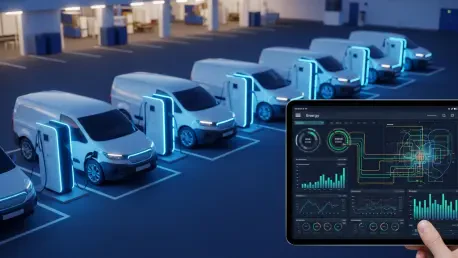

The landscape of European electromobility is undergoing a profound transformation as major players pivot away from hardware logistics toward high-margin energy management software. The rapid expansion of electric vehicle fleets has reached a critical juncture where the physical charging infrastructure is no longer the primary bottleneck for corporate sustainability; instead, the real challenge lies in the complex orchestration of energy demand, grid stability, and cost optimization. The Mobility House has recently announced the strategic sale of its fleet electrification business unit to Edenred, a move that signals a definitive shift in its long-term objectives. By divesting this capital-intensive segment, the organization is repositioning itself to dominate the emerging Vehicle-to-Grid (V2G) market, while Edenred leverages its massive corporate network to simplify the transition for businesses struggling with the logistics of going green. This deal marks a significant milestone in the maturation of the sector, where specialization is becoming the key to surviving a highly competitive landscape.
Strategic Realignment of Infrastructure Assets
Operational Integration: Scaling for Global Demand
Edenred is poised to absorb the turnkey charging infrastructure and energy management division, a move that integrates over 5,000 existing customers into its broader service ecosystem. This acquisition is not merely about adding numbers to a ledger; it involves the transfer of sixty highly specialized professionals and the licensing of the ChargePilot software, which has become a benchmark for depot energy management. For Edenred, this represents a vertical integration strategy that allows the company to provide a comprehensive, end-to-end solution for corporate fleets. By controlling the software that monitors and balances energy loads at physical charging sites, Edenred can ensure that its clients avoid common pitfalls, such as peak-load surcharges and grid capacity limitations. The branding will eventually transition to Edenred e-Mobility, though the current name will be preserved temporarily to ensure a seamless experience for established partners and maintain continuity in service delivery across the fleet.
The transition of these assets reflects a broader trend where traditional payment and service providers seek to own the underlying technology that drives customer value in the electric age. By acquiring the rights to the ChargePilot platform in major Western European markets, Edenred moves from being a facilitator of transactions to a primary manager of the energy value chain. This allows the firm to offer a more cohesive package to its network of corporate clients, who are increasingly looking for simplified ways to manage complex energy needs without dealing with multiple vendors. The expertise brought over by the transferred team will be essential in navigating the technical hurdles of site surveys, installation, and long-term maintenance of high-capacity charging hubs. This strategic expansion is designed to make the transition from internal combustion engines to electric motors as frictionless as possible for large-scale logistics operations, providing a reliable roadmap for decarbonization across diverse industry sectors.
Market Segmentation: Dividing Geographic Responsibilities
While Edenred takes the helm in European markets, The Mobility House has strategically retained the rights to develop and distribute its software across North America and the Asia-Pacific region. This geographic split allows the organization to maintain its global footprint while focusing its resources on territories where its specialized energy services see the highest potential for growth. By operating from established hubs in cities like Singapore and Montreal, the company remains a central player in the international electromobility market, tailoring its software solutions to the unique regulatory and grid requirements of different continents. This selective approach prevents the company from becoming overextended in hardware logistics and allows it to concentrate on refining its energy trading algorithms. The arrangement demonstrates a sophisticated understanding of market dynamics, where localized knowledge and regional presence are critical for managing the varied pace of electric vehicle adoption across the world.
This regional partitioning serves as a blueprint for how technology firms can scale internationally without losing their core focus on innovation. By licensing its software to Edenred for specific markets, The Mobility House secures a steady revenue stream and high visibility in Europe while freeing up its internal teams to tackle the next generation of energy challenges elsewhere. The focus in North America and Asia-Pacific will likely lean toward integrating large-scale renewable projects with electric vehicle fleets, a niche where the company’s expertise in grid-aware charging provides a distinct competitive advantage. Such a move acknowledges that while the hardware needs might be universal, the software and market rules governing energy are highly localized. This strategy ensures that the company stays nimble, avoiding the complexities of managing physical infrastructure in every corner of the globe while still influencing the development of charging standards and energy management protocols on a global scale.
Pioneering the Future of Bidirectional Energy
Technical Focus: Enabling the Vehicle-to-Grid Ecosystem
The divestment of the fleet unit serves as a catalyst for The Mobility House to return to its founding vision of transforming parked electric vehicles into a decentralized network of mobile power plants. With the administrative and logistical burdens of physical installations shifted to Edenred, the company can now direct its full intellectual and financial capital toward its energy division. This branch is dedicated to flexible energy trading, leveraging the storage capacity of EV batteries to provide much-needed stability to the public power grid. The objective is to create a bidirectional ecosystem where electricity flows not just into the vehicle but back to the grid when demand peaks. This approach addresses one of the primary criticisms of renewable energy—its intermittency—by using the collective battery capacity of thousands of cars to store excess solar and wind power. By mastering the software required for these complex exchanges, the company aims to be an indispensable player in the energy market.
Success in the V2G space requires a radical shift from traditional energy consumption models to one defined by active participation in the wholesale electricity market. The company is developing sophisticated software-driven services that prioritize energy trading over simple hardware sales, allowing vehicle owners and fleet managers to monetize their idle assets. This pivot includes the exploration of large-scale stationary battery storage systems and “second-life” battery applications, where older EV batteries are repurposed to support the grid long after they have outlived their usefulness in a vehicle. By participating directly in the energy markets, the organization hopes to drive down the total cost of ownership for electric vehicles, making the green transition financially attractive for the average consumer. This sophisticated integration of automotive technology and energy markets represents the next frontier of the sector, where the car is no longer just a transport tool but a vital component of a resilient and flexible energy infrastructure.
Industry Evolution: Bridging the Capability Gap
The acquisition by Edenred highlights a growing necessity in the corporate world for specialized fleet management solutions that can navigate the technical complexities of electrification. Moving away from internal combustion engines involves more than just swapping vehicles; it requires a complete overhaul of how depots manage their electricity consumption and charging schedules. By integrating the ChargePilot system, Edenred can now offer its extensive client base a one-stop-shop experience that covers everything from hardware procurement to intelligent energy load balancing. This move allows Edenred to capture a larger portion of the value chain, shifting its role from a payment intermediary to a technology partner that actively helps businesses reduce their operational costs and meet environmental targets. The synergy between Edenred’s market reach and the acquired technical expertise creates a powerful platform that addresses the barriers to electric vehicle adoption for fleets.
Even though the ownership of the fleet unit has changed, the relationship between The Mobility House and Edenred is expected to remain collaborative, ensuring that clients continue to benefit from cutting-edge energy innovations. The Mobility House will act as a provider of advanced energy trading services to Edenred’s customers, maintaining a bridge between fleet operations and the broader energy market. This partnership model allows both organizations to excel in their respective domains while providing a seamless service for the end-user, who remains insulated from the complexities of the underlying technology. Current users of the existing systems can expect a smooth transition with no disruption to their service agreements or technical support. This collaborative approach reflects a maturing industry where companies are recognizing that they cannot do everything alone and must instead form strategic alliances to provide the holistic solutions that the market demands for accelerating development.
The strategic realignment between The Mobility House and Edenred demonstrated a clear understanding of the shifting priorities within the electromobility sector. While Edenred successfully broadened its service offerings to include robust infrastructure management, The Mobility House effectively streamlined its operations to focus on high-value software for grid flexibility. For businesses looking to optimize their own transitions, this deal highlighted the importance of choosing partners that offered both logistical reliability and technological foresight. Decision-makers should have prioritized software platforms that were capable of grid integration to future-proof their investments against rising energy costs. Furthermore, the industry moved toward a model where energy management and vehicle usage were treated as a single, integrated system rather than separate silos. Investors and fleet managers were encouraged to look beyond simple hardware solutions and invest in the digital tools that turned energy data into financial advantages.