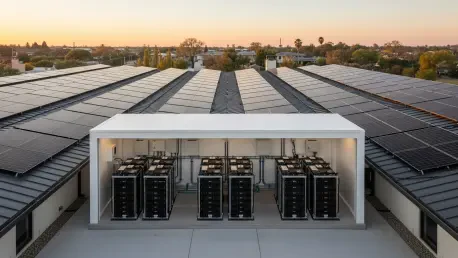

The reliance on centralized power grids is facing an unprecedented challenge as extreme weather patterns and aging infrastructure continue to disrupt the daily lives of homeowners across the globe. In the Gold Coast hinterland, residents are increasingly turning toward advanced energy solutions to mitigate the risks associated with regional living and utility instability. A recent case study involving the Ramnarain family highlights this shift, as they transitioned from a standard solar configuration to a comprehensive whole home backup system. Their journey was motivated by a significant outage that proved even a robust solar array is insufficient without the storage capacity to bridge the gap during periods of low sunlight. By partnering with RESINC Solar & Batteries, they transformed their property into a resilient sanctuary. This evolution reflects a broader move toward total energy independence, where the priority is no longer just financial savings but the absolute security of the household.
The Driving Forces Behind Energy Resilience
The motivation for upgrading residential energy systems often stems from a direct confrontation with the limitations of existing infrastructure during times of crisis. For those living in regional areas like the Gold Coast hinterland, the beauty of the landscape is balanced by the reality of a fragile power grid that is susceptible to a variety of environmental threats. Aging transmission lines are frequently the first to fail during major storms, leaving households isolated and without basic services for extended periods. The realization that a home is only as functional as its energy supply has prompted many to re-evaluate their dependence on the central utility. This paradigm shift is driving a new standard for what a modern home should provide, moving beyond simple shelter to include self-sufficient utility generation. As grid reliability continues to fluctuate, the demand for local, reliable power sources has become a defining feature of regional property development and home improvement.
Responding to Extreme Weather: The Vulnerability of Regional Grids
When a major weather event strikes, the immediate loss of power creates a cascade of challenges that can render a modern home nearly uninhabitable within hours. The Ramnarain family encountered this firsthand when a severe storm caused a power outage that persisted for nine days, highlighting the critical difference between having solar panels and having true energy security. While their previous system could generate power during the day, the lack of substantial battery storage meant they were left in the dark as soon as the sun set. This “solar gap” is a common vulnerability in standard renewable energy setups, where the system is designed for optimal conditions rather than extreme ones. The experience of managing a household without refrigeration or connectivity for over a week served as a powerful catalyst for change. It underscored the necessity of a system that does not just supplement the grid but can replace it entirely when the external infrastructure fails to perform.
Establishing Peace of Mind: Resilience as a Priority
Modern homeowners are shifting their focus from the purely economic benefits of solar energy to the intangible but essential value of resilience and security. The traditional calculation of a solar system’s value was based on the payback period and the reduction of quarterly utility bills, but this view is being replaced by a more comprehensive understanding of energy as a life-sustaining service. Having the confidence that the lights will stay on, the food will remain cold, and the home will stay temperature-controlled during a crisis provides a level of comfort that exceeds monetary savings. This mindset treats energy infrastructure as an insurance policy against the increasing volatility of the world, ensuring that the household remains a functional haven regardless of external conditions. As more residents experience the disruptions of grid failure, the desire for autonomy has become a primary driver for high-capacity installations. This priority reflects a commitment to protecting the family.
Engineering a High-Capacity Solution
Transitioning to a whole home backup system requires a sophisticated engineering approach that integrates high-output generation with massive storage reservoirs. The goal is to create a balanced ecosystem where the solar array can produce enough power to run the home while simultaneously filling a battery bank large enough to last through several days of overcast weather. This technical challenge involves more than just adding more components; it requires the optimization of every part of the system to handle the high-current demands of a modern residence. By focusing on a high-capacity storage solution, engineers can eliminate the bottlenecks that typically limit the effectiveness of residential renewable energy. The result is a seamless power supply that responds dynamically to the needs of the occupants, providing a level of reliability that matches or exceeds that of the traditional power grid. This engineering philosophy prioritizes performance, ensuring that the system can handle the most demanding loads.
Maximizing Storage: The Path to Extended Autonomy
To achieve the necessary level of independence for the Ramnarain property, the existing storage was augmented with an additional 38.4kWh of battery capacity, bringing the total to over 76kWh. This massive upgrade was paired with a 20kW solar array, creating a powerful combination that can capture and store vast amounts of energy in a short period. The high storage-to-generation ratio is critical for maintaining autonomy during the solar droughts that often accompany major weather events in the Gold Coast region. Even a few hours of indirect sunlight or a brief break in the clouds is sufficient to recharge a significant portion of the battery bank, providing a buffer that can sustain the home for days. This approach addresses the fundamental limitation of smaller systems, which often fail during consecutive days of heavy rain. By building a deep energy reservoir, the property is equipped to handle extended periods of isolation from the grid, ensuring that the family’s lifestyle is never compromised.
Providing Full Service: The Advantages of Whole Home Backup
The distinction between a standard backup and a whole home backup system lies in the ability to support every circuit and appliance on the property without limitation. While most residential batteries are limited to a few essential lights, a whole home configuration is wired to power high-demand loads such as air conditioning, electric cooking, and heavy-duty water pumps. This level of service is made possible by the use of industrial-grade inverters and advanced battery management systems that can deliver high burst currents when appliances start up. For the homeowners, this means that the transition to battery power is completely transparent, requiring no manual changes to their daily routine. The peace of mind that comes from knowing the entire house is protected is a transformative experience, removing the stress of managing energy during an outage. This comprehensive approach to backup power ensures that the home remains a fully functional environment, providing identical comfort to grid-connected living.
Meeting the Demands of an Electric Lifestyle
The rapid move toward the electrification of everything from transportation to heating has fundamentally changed the energy profile of the modern Australian home. As families transition to electric vehicles and move away from gas-powered appliances, their reliance on a stable and high-capacity electrical supply has become absolute. This shift means that a simple power outage can now immobilize a family’s primary mode of transport or prevent them from preparing meals. Furthermore, the prevalence of remote work has elevated the status of electricity from a household utility to a critical business asset. The cost of a blackout is now measured in lost productivity and the inability to maintain essential communications. In this context, investing in high-capacity energy storage is a practical necessity rather than a luxury, providing the reliability required to support a fully electric lifestyle. Homeowners are effectively becoming their own utility managers, ensuring that their private infrastructure can meet the heavy demands.
Adapting to Modern Consumption: The New Energy Reality
The current landscape of energy consumption is defined by a desire for independence from the rising costs and reliability issues of the centralized power market. Across the country, battery uptake is reaching record levels as residents realize that managing their own energy is the most effective way to protect themselves from external volatility. This trend is particularly strong in regional areas, where the geographical spread of the grid makes repairs inherently slow and difficult. By investing in large-scale storage, homeowners are not only saving on their long-term energy costs but are also contributing to a more stable and decentralized national energy network. The shift toward self-generation and storage is a response to the clear need for a more resilient way of life in an era of environmental change. As the technology continues to mature, the ability to function in isolation from the grid is becoming a standard expectation for premium residential properties that prioritize autonomy.
Implementing Future Standards: Lessons for Modern Homeowners
The successful integration of a high-capacity backup system at the Gold Coast property established a definitive model for achieving energy security in the modern world. Experts observed that the transition to a whole home configuration provided a level of protection that standard solar setups could not match during prolonged crises. Homeowners discovered that prioritizing the storage reservoir allowed for a seamless lifestyle even when the surrounding utility network was entirely non-functional. It became clear that the most effective next step for those seeking resilience involved a detailed audit of peak demand and the sizing of battery banks to cover multi-day outages. Future considerations included the development of local energy sharing protocols to further enhance the safety of regional communities. By moving away from a dependence on aging infrastructure, the residents secured their standard of living. This approach offered a practical solution to the challenges of grid instability in a changing environment.