
New Jersey’s electrical grid is currently undergoing its most significant transformation since the dawn of the atomic age as the state moves toward a software-defined power network that prioritizes local resilience over massive centralized generation. This evolution centers on the New Jersey Board of Public Utilities (NJBPU) and its aggressive pursuit of a Virtual Power Plant framework. By moving beyond traditional brick-and-mortar power stations, the state is positioning itself to manage electricity through a cloud-based ecosystem that aggregates hundreds of thousands of distributed energy resources.
The current regulatory progress seeks to integrate disparate technologies into a unified force capable of stabilizing the grid during periods of peak demand. This shift represents a move away from passive consumption toward an interactive model where the grid and the consumer communicate in real time. As traditional infrastructure faces mounting pressure from climate volatility and increased electrification, these virtual networks offer a scalable solution that utilizes assets already present within the community.
Modernizing the Garden State’s Grid Through Decentralized Energy Resources
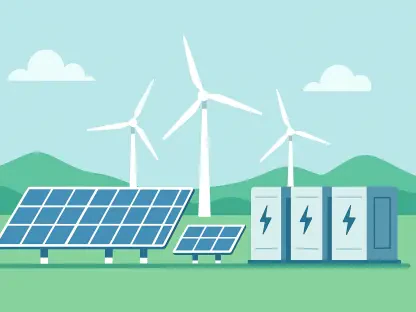
The transition from centralized power plants to a cloud-based software network allows New Jersey to aggregate distributed energy resources into a single, dispatchable resource. Instead of relying solely on massive natural gas facilities, the state can now tap into the collective power of thousands of small-scale assets. This decentralized approach creates a more modular and resilient system that can adapt to localized outages or sudden surges in demand without triggering widespread instability.
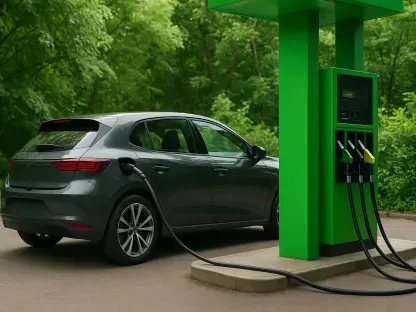
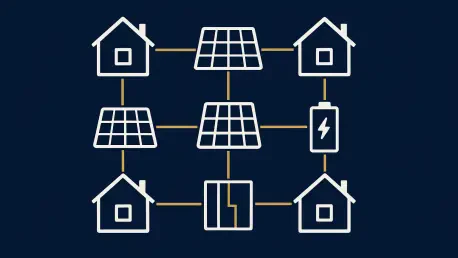
The scope of the Virtual Power Plant framework encompasses a diverse array of hardware, including residential batteries, smart thermostats, and electric vehicle chargers. These devices function as a cohesive grid resource, allowing the state to treat a neighborhood of solar-equipped homes as a single “cloud” power plant. By coordinating these individual components, aggregators can provide the same level of reliability as traditional utility-scale stations while operating closer to the point of consumption.
Key market players are redefining their roles to accommodate this new architecture, with the NJBPU providing the regulatory oversight and third-party aggregators managing the technical logistics. The state’s four major electric distribution companies must now work alongside these software firms to ensure seamless integration. This collaboration is essential for maximizing grid flexibility, as reducing or shifting load during peak demand lowers the state’s reliance on carbon-intensive peaker plants and stabilizes wholesale electricity prices.
Catalysts for Change and the Trajectory of Distributed Generation
The shift toward decentralized energy is driven by a combination of technological advancement and shifting public policy. As New Jersey accelerates its decarbonization goals, the trajectory of distributed generation has become a central pillar of the state’s long-term energy strategy. This movement is not merely a technical adjustment but a fundamental reimagining of how energy is produced, stored, and shared across the distribution network.
The Rise of the Prosumer and Smart Device Integration
Evolving consumer behavior is turning homeowners from passive electricity users into prosumers who actively contribute to grid stability. The increasing adoption of smart home technology and residential storage systems serves as the foundation for this decentralized energy model. However, this shift introduces a dual-purpose challenge, as regulators must balance a consumer’s individual need for personal backup power with the grid’s requirement for dispatchable energy capacity during emergencies.
Third-party software platforms are becoming the essential link in this chain, enabling the automated management of residential assets. By allowing a central system to subtly adjust smart thermostats or delay electric vehicle charging, the grid can shed megawatts of demand without the consumer ever noticing a change in comfort. This level of smart device integration is crucial for creating a responsive energy ecosystem that can thrive in a high-renewables environment.
Quantifying the Shift Toward Scalable Virtual Capacity
Growth projections for the state’s virtual capacity suggest that the aggregation of thousands of individual devices can eventually match the performance of traditional utility-scale stations. Economic performance indicators, such as bill credits and direct payments, are currently being used to drive program enrollment and scale. These financial incentives ensure that participants are fairly compensated for the value they provide to the grid, making the VPP an attractive option for the average ratepayer.
Forward-looking resource estimates emphasize the volume of shifted kilowatts required to defer expensive physical infrastructure upgrades. By utilizing existing residential batteries instead of building new substations, New Jersey can save billions in capital expenditures over the coming decades. This economic efficiency is a primary driver for the state’s commitment to scaling virtual capacity as a legitimate alternative to traditional poles-and-wires investments.
Navigating Interoperability and Consumer Participation Barriers
The success of a statewide Virtual Power Plant framework depends heavily on solving the critical need for unified communication protocols. Technological standardization is required to ensure that devices from different manufacturers work seamlessly with aggregator software and utility management systems. Without these common standards, the grid remains a fragmented collection of “siloed” technologies that cannot be effectively coordinated during a crisis.
Operational reliability concerns also remain a hurdle, as the balance between utility control and consumer convenience is delicate. If a utility takes too much control over a residential device, the participant may opt out of the program, undermining the stability of the aggregate resource. Furthermore, solving the complexities of economic valuation is necessary to accurately price distributed energy within wholesale electricity markets, ensuring that the benefits of VPPs are recognized by all stakeholders.
Establishing the Legal and Regulatory Foundation for Grid Flexibility
The NJBPU regulatory roadmap, particularly Docket No. QO26030099, provides the formal policy-shaping process needed to transition from a theoretical proposal to a functional system. This framework follows an extensive public comment phase where utilities and technology providers weighed in on the operational rules of the new grid. Ensuring that these rules align with existing technical standards is a priority for the New Jersey Division of Rate Counsel, which advocates for fair consumer protection and cost-effective implementation.
Executive mandates have played a pivotal role in fast-tracking these developments, specifically Governor Mikie Sherrill’s Executive Order No. 2. By declaring energy emergencies and prioritizing decentralized resources, the administration has cleared many of the legal hurdles that previously slowed grid modernization. This top-down support ensures that the state’s energy transition remains on schedule and that the legal foundation for grid flexibility is robust enough to support long-term private investment.
Envisioning a Cloud-Based Energy Ecosystem for Future Resiliency
Emerging market disruptors are redefining the traditional utility-customer relationship by introducing real-time, automated response systems. These innovations in grid management allow for manual interventions to be replaced by software that can predict demand spikes and adjust resources instantaneously. As these systems become more sophisticated, the potential for a self-healing grid becomes a reality, where decentralized assets automatically fill the gaps left by fluctuating renewable generation.
New Jersey’s leadership in this transition positions the state as a global model for asset management in a cleaner, more resilient energy future. By treating every home and business as a potential node in a statewide power network, the state is effectively democratizing the energy sector. This evolution not only enhances reliability but also creates a more competitive market where innovation in software and battery technology can flourish.
Strategic Pathways for New Jersey’s Integrated Energy Future
The analysis of New Jersey’s energy strategy revealed that the transition from a preliminary straw proposal to a formalized operational framework was the defining moment for the state’s future grid security. Stakeholders identified that a robust financial incentive structure remained the primary catalyst for ensuring high participant retention over the long term. The regulatory findings illustrated how the integration of decentralized assets was no longer an experimental venture but a necessary standard for a resilient power ecosystem.
The state successfully established that third-party aggregators could manage individual devices with the same precision as traditional power plant operators. These insights led to the conclusion that state-level energy modernization provided a clear path toward reducing fossil fuel dependency while protecting ratepayers from soaring infrastructure costs. Ultimately, the VPP initiative functioned as a comprehensive national blueprint, proving that the synergy between consumer technology and utility requirements offered a viable solution for the modern age.