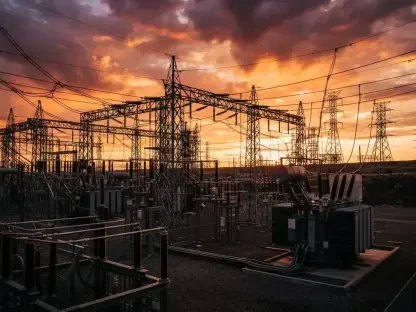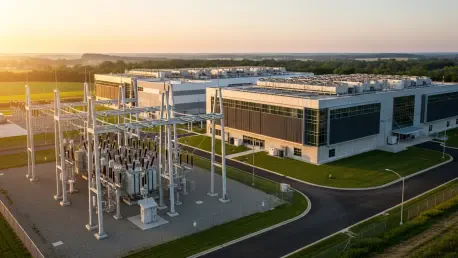

As the Maryland landscape transforms into a digital corridor of high-capacity servers and sprawling cooling systems, the state government has introduced the Utility RELIEF Act to manage the resulting surge in energy consumption. This landmark legislation serves as a strategic response to the unprecedented demand placed on the regional power grid, ensuring that the rapid expansion of the data center industry does not come at the expense of ordinary residents. In the current economic climate, the intersection of digital infrastructure and public utility management has become a flashpoint for debate, forcing policymakers to reconsider how massive industrial projects are integrated into the existing energy framework. The goal is clear: create a sustainable model where technological growth contributes to, rather than drains, the collective resources of the community. By requiring these massive facilities to pay their own way, Maryland is attempting to pioneer a fiscal approach that balances the needs of a modern digital economy with the financial realities of its citizens.
The legislation reflects a significant pivot in how Maryland views its role as a regional energy hub, especially as neighboring states struggle with the same pressures of rapid industrialization. Rather than allowing data center developers to benefit from existing infrastructure without contributing to its expansion, the state is now mandating a “beneficiary pays” model that clarifies financial responsibilities. This shift is expected to mitigate the risk of skyrocketing utility bills, which often occur when the costs of grid modernization are socialized across the entire ratepayer base. As these facilities continue to proliferate, the ability of the state to maintain a reliable and affordable power supply for the general public depends entirely on these new regulatory guardrails. The focus remains on long-term stability, ensuring that the power grid can handle the extreme loads of artificial intelligence and high-performance computing while remaining accessible to the average household.
Financing and Infrastructure Oversight
Part 1: The Move Toward Fair Share Contributions
The core philosophy driving this legislation is the fair share model, which mandates that data center operators directly finance the specific substations, transmission lines, and utility poles they require to operate. Historically, the expansion of utility networks was often funded through broad rate increases, a practice that essentially forced residential customers to subsidize the arrival of heavy industrial users. Under the new 2026 regulations, this dynamic is fundamentally altered, positioning the data center industry as the primary financier for its own connection costs. This approach ensures that the state’s utility companies can undertake necessary modernization projects without looking to the public for capital. By isolating these capital expenses to the entities that create the demand, Maryland is creating a more equitable financial landscape where industrial growth is tied to individual corporate investment rather than public debt.
Beyond simply covering the initial costs of construction, the Utility RELIEF Act also aims to generate surplus value for the existing power grid, potentially leading to lower rates for residential customers over time. When a high-load user pays for the privilege of high-capacity access, the resulting infrastructure improvements often bolster the reliability of the entire local network. These high-energy consumers are now required to enter into long-term service contracts that guarantee a return on investment for the utility providers, effectively shielding the general population from the volatility of energy market fluctuations. This financial decoupling prevents energy load inflation from eroding the savings of small businesses and families. As a result, the presence of a data center becomes a net positive for the local economy’s energy infrastructure, providing the funds needed for upgrades that would otherwise remain stalled due to a lack of public funding or political will.
Part 2: Enhancing Planning Through Data Center Registries
To improve long-term energy planning and resource allocation, the 2026 Act introduces a formal registry for data centers, which is strictly overseen by the Public Service Commission. This move directly addresses the recurring problem of “queue-sitting,” a phenomenon where speculative developers claim capacity on the grid for projects that may never reach completion. By clogging the energy pipeline with non-existent demand, these entities make it nearly impossible for utility planners to generate accurate forecasts for the coming years. The new registry requires developers to provide frequent progress updates and demonstrate financial readiness before they can reserve a spot in the transmission queue. This transparency ensures that the state only invests its planning resources into viable projects that will contribute to the local economy and provide tangible tax revenue.
Furthermore, the introduction of “clean capacity tiers” within the registry allows Maryland to create a tiered system that rewards facilities contributing to new clean energy generation or participating in sophisticated demand response programs. Facilities that can demonstrate a commitment to carbon neutrality or those that integrate onsite renewable storage are given priority in the approval process, aligning industrial growth with the state’s environmental mandates. These registries also serve as a critical data source for the Public Service Commission to track how much power is being consumed versus how much is being contributed back to the grid during peak hours. By creating a rigorous data-sharing environment, the state can prevent sudden brownouts and ensure that the digital infrastructure industry operates as a flexible partner in grid management rather than a rigid, unresponsive consumer of regional resources.
Economic Context and Labor Growth
Part 3: Analyzing Regional Competition and Energy Pricing
The legislation also seeks to narrow the economic gap between Maryland and its neighbor, Virginia, which continues to be the global leader in data center density despite having to import a significant portion of its power. Maryland’s historically higher energy rates have often been linked to high transmission costs and a legacy of older power plant retirements, making it a challenging environment for tech companies to scale their operations. The Utility RELIEF Act aims to correct these systemic imbalances by requiring high-load consumers to enter into structured agreements that recoup infrastructure costs over the long term. This strategy prevents the rapid influx of data centers from causing localized price spikes, which had previously made Maryland less competitive compared to jurisdictions with more established, low-cost energy markets.
By stabilizing the price of electricity through these mandated contributions, Maryland is positioning itself as a more predictable and sustainable alternative for the next generation of digital infrastructure investment. The state is leveraging its geographical location and existing workforce to attract developers who are wary of the mounting congestion and regulatory uncertainty in Northern Virginia. While Virginia may have the volume, Maryland is betting on a model of high-efficiency, high-reliability growth that prioritizes the health of the local grid. This competitive pivot is essential for maintaining Maryland’s standing as a hub for technology and innovation without sacrificing the affordability of life for its residents. The legislation provides the regulatory clarity that large-scale institutional investors crave, while simultaneously protecting the state’s economic interests against the risks of unchecked industrial expansion.
Part 4: Workforce Expansion and Industrial Revitalization
Beyond utility rates and grid management, the expansion of the data center sector serves as a massive engine for Maryland’s skilled labor force, particularly within the unionized trades. Organizations like IBEW Local 24 have already seen a doubling of apprenticeships and consistently high employment rates tied directly to the complex construction and maintenance requirements of these facilities. A single data center project can support hundreds of high-paying jobs for electricians, HVAC technicians, and structural engineers over several years. These positions offer a path to stable, middle-class wages and provide the technical training necessary for workers to thrive in a high-tech economy. By mandating that these projects move forward under strict regulatory oversight, the state ensures a steady pipeline of work for its local labor organizations, fostering a sense of economic security.
Furthermore, the state is actively encouraging the reuse of brownfield sites, which involves transforming former industrial land or decommissioned power plants into modern high-tech hubs. This approach revitalizes regions that were left behind during the decline of traditional manufacturing, turning environmental liabilities into productive economic assets. By providing incentives for developers to build on these pre-developed sites, Maryland minimizes the impact on green spaces and residential neighborhoods while maximizing the use of existing industrial infrastructure. This strategy not only creates a concentrated hub for technological development but also brings much-needed tax revenue to local municipalities that have struggled with stagnant growth. The transformation of these sites demonstrates how the data center industry can be a catalyst for broader regional renewal, provided that the growth is managed with an eye toward community benefit and environmental responsibility.
Future Energy Trends and Community Challenges
Part 5: Advancing Clean Power and Nuclear Solutions
Because these facilities demand constant and unfailing reliability, their rapid growth is accelerating the adoption of diverse and innovative power sources, including offshore wind and small modular nuclear reactors. Maryland-based companies are currently at the forefront of developing carbon-neutral solutions that allow data centers to bring their own power to the table, reducing the strain on the public grid. The integration of small modular reactors is particularly promising, as they can provide a consistent baseline of carbon-free energy that perfectly matches the 24/7 operational profile of a data center. This technological shift not only supports the state’s aggressive environmental goals but also ensures that the high demand from digital infrastructure does not compromise the overall stability of the regional energy supply during extreme weather events.
The development of onsite microgrids and advanced battery storage systems has also become a standard requirement for many new projects, allowing these facilities to operate independently during times of peak grid stress. By becoming “prosumers”—entities that both produce and consume energy—data centers can actually help stabilize the grid by feeding power back into the system when it is needed most. This evolution from passive consumers to active grid participants is a cornerstone of Maryland’s long-term energy strategy. As the state continues to decommission older fossil fuel plants, the private investment from the data center industry provides the necessary capital to fast-track the transition to a cleaner, more resilient power architecture. This collaborative approach between the tech industry and energy providers is creating a blueprint for how high-demand industries can lead the way in environmental stewardship.
Part 6: Managing Local Opposition and Property Rights
Despite the clear economic promises, the data center industry continues to face substantial local opposition and a significant rise in “not in my backyard” sentiment across various counties. Residents have voiced legitimate concerns regarding noise pollution from massive cooling fans, the enormous physical footprint of the buildings, and a perceived lack of long-term job density compared to the amount of land these facilities occupy. In some instances, county governments have gone as far as to enact temporary bans or strict zoning restrictions to prevent data centers from encroaching on historic or residential areas. This friction between state-level economic strategies and local community preferences remains a significant hurdle for developers and policymakers alike, requiring a delicate balance between property rights and the public good.
Reconciling these conflicting interests requires a proactive approach to community engagement and transparent site selection processes that prioritize the least disruptive locations. The state has begun to implement more rigorous noise mitigation standards and architectural guidelines to help these massive structures blend more seamlessly into their surroundings. Additionally, policymakers are working to ensure that the economic benefits of these projects, such as increased school funding and infrastructure improvements, are clearly communicated to the local populations. Addressing these concerns is vital for the long-term viability of the industry, as a lack of public trust can lead to costly delays and litigation. By fostering a dialogue that includes local voices, Maryland aims to create a development framework that respects community character while still allowing for the necessary growth of the state’s digital and energy infrastructure.
Part 7: Strengthening Regional Advocacy and Grid Reform
The administration determined that state-level legislation alone was insufficient to protect residents from rising costs, prompting a move toward aggressive advocacy at the regional level. By focusing on the PJM Interconnection wholesale market, officials pushed for fundamental reforms that would hold high-capacity users more accountable for the transmission infrastructure they necessitate. These efforts were designed to ensure that the costs of regional grid expansion were distributed fairly across all member states, preventing Marylanders from paying for infrastructure that primarily benefits out-of-state interests. This coordinated strategy combined domestic policy with regional diplomacy, creating a comprehensive shield for utility ratepayers while maintaining a welcoming environment for technology companies that prioritized sustainability.
The state eventually secured a series of agreements that established clearer pathways for data centers to co-locate with energy generation sources, a move that significantly reduced the need for new, expensive transmission lines. These next steps allowed Maryland to maintain its competitive edge by offering a more efficient and less bureaucratic approval process for projects that integrated onsite power. Moving forward, the focus shifted toward the implementation of real-time energy monitoring tools that allowed for better coordination between the Public Service Commission and industrial consumers. This data-driven approach allowed the state to anticipate demand surges before they could impact the general public, effectively turning a potential crisis into a manageable economic transition. The final result was a more resilient and transparent energy market that balanced the relentless pace of digital innovation with the enduring need for consumer protection.