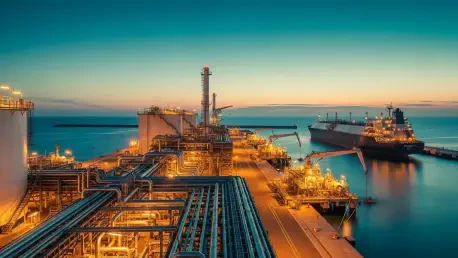

The strategic reconfiguration of European energy maps has placed Italy at the forefront of logistical security, effectively transforming the nation from a peripheral importer into a pivotal Mediterranean energy gateway. This transformation is not merely a result of geographic luck but stems from a disciplined investment in infrastructure that allows for a high degree of supply flexibility and storage capacity. By prioritizing the expansion of regasification units and subterranean storage facilities, the state successfully mitigated the risks associated with global supply chain disruptions that have impacted the continent over the last several months. Currently, the national storage levels consistently outperform regional averages, providing a critical buffer that supports both domestic industrial stability and the heating requirements of neighboring landlocked countries. This resilience is anchored by a sophisticated transmission network that integrates diverse energy sources, ensuring that the economy remains insulated from the extreme price volatility that once characterized the global natural gas market.
Strategic Infrastructure: The Expansion of Regasification Capacity
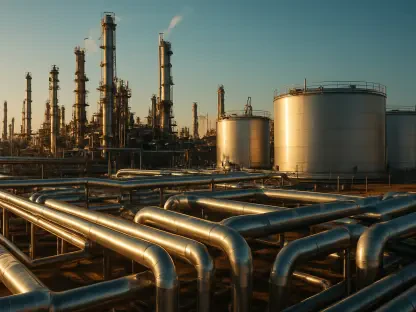
The deployment of the Piombino and Ravenna regasification units marked a turning point in the pursuit of energy autonomy, providing a flexible alternative to fixed pipeline routes that historically dominated the landscape. These facilities allow for the rapid processing of seaborne gas, which has become indispensable as the region seeks to minimize its historical reliance on specific geopolitical corridors. Furthermore, the integration of these assets into the existing terrestrial grid required sophisticated engineering to manage varying pressure levels and gas compositions without compromising safety or throughput efficiency. This technical prowess enabled the Italian energy sector to maintain a surplus during the peak demand periods of 2026, effectively decoupling the domestic economy from external shocks that previously plagued European markets. By investing heavily in these versatile terminals, the state ensured that even in the event of unforeseen pipeline maintenance or diplomatic tensions, the internal supply chain would remain robust and capable of meeting high-volume industrial requirements across the entire peninsula.
The journey toward total energy resilience reached a critical juncture when policymakers successfully synchronized domestic storage targets with broader European Union security objectives. It was determined that the most effective way forward involved deep institutional cooperation and the standardization of cross-border emergency protocols to prevent localized shortages. Authorities established rigorous stress-testing cycles for the national grid, ensuring that all contingency plans were updated to reflect the evolving geopolitical reality. This proactive stance suggested that neighboring nations should follow suit by diversifying their procurement portfolios and investing in modular infrastructure that can adapt to shifting market conditions. By late 2026, the Italian energy sector had already laid the groundwork for a decentralized but highly integrated network that prioritized regional stability over isolated national interests. Looking ahead, the focus shifted toward the deployment of long-duration storage technologies and the refinement of interconnector capacity to ensure that the surplus generated within the Mediterranean basin could reach the furthest corners of the continent.