
As the mercury climbs toward unprecedented levels across the Mexican landscape, the National Electricity System faces a high-stakes test that will determine the country’s economic stability for the coming months. The National Energy Control Center (CENACE) and the Federal Electricity Commission (CFE) are currently navigating a delicate balancing act to keep the lights on as demand surges. This operational strain is not merely a seasonal nuisance but a systemic challenge that highlights the evolving relationship between climate volatility and infrastructure resilience.
Assessing Mexico’s National Electricity System Amid Growing Climate Volatility
The National Electricity System (SEN) currently operates under a spotlight of intense scrutiny as its operational capacity is pushed to the limit. The primary responsibility for managing this intricate web falls upon CENACE, which coordinates the flow of power, and the CFE, which maintains the bulk of the generation fleet. The current energy mix relies heavily on traditional thermal plants and hydroelectric facilities, but there is a burgeoning push for portable generation units to address localized shortages. These quick-start assets are becoming vital for stabilizing the grid during sudden spikes in usage.
A critical benchmark for national energy security is the 6% reserve margin, a safety buffer that represents the difference between total capacity and peak demand. When the margin dips below this threshold, the system enters an alert state, signaling that there is very little room for error or equipment failure. Maintaining this buffer has become increasingly difficult as the gap between available supply and real-time consumption narrows under the pressure of extreme weather patterns.
Deciphering the Surge: Demand Patterns and Performance Metrics
The Impact of Early-Season Heatwaves and Shifting Consumption Habits
Atypical temperatures exceeding 40°C (104°F) arrived earlier than usual this year, driving record-breaking demand for residential and commercial cooling. This shift in consumption is particularly evident in urban centers where the heat island effect intensifies the need for air conditioning. Moreover, the industrial “nearshoring” boom in the Bajio and Northern regions has permanently altered the baseline for electricity consumption. As international companies relocate manufacturing to Mexico, the demand for reliable, 24/7 power has shifted from a seasonal peak to a constant requirement.
Emerging consumer behaviors further complicate the load profile, as there is a rising dependency on high-load appliances during the hottest hours of the day. This synchronized usage creates a “peak within a peak,” testing the limits of local distribution transformers. In contrast to previous years, the grid no longer sees a significant drop in demand during the evening, as stored heat in buildings keeps cooling systems running long after the sun has set.
Quantitative Projections for the Peak Energy Season
Statistical breakdowns for the current year suggest that forecasted demand will reach an all-time high of 54,000MW during the peak summer months. This figure represents a significant leap from historical norms, reflecting both population growth and industrial expansion. A comparative analysis of performance indicators reveals that the system is entering “alert states” with greater frequency than in previous decades, suggesting that the underlying infrastructure is struggling to keep pace with the modern economy.
Forward-looking projections for the national transmission network indicate a desperate need for more robust pathways to move power from generation hubs to high-consumption zones. While new projects are in the pipeline, the lead time for transmission hardware often lags behind the immediate needs of the market. Consequently, the summer months are expected to see a continued reliance on emergency protocols to manage the flow of electricity across state lines.
Navigating Critical Vulnerabilities: Infrastructure Strains and Resource Gaps
Technical limitations within the national transmission network represent the most significant risk for controlled blackouts in high-demand regions. The grid is essentially a series of interconnected highways for electricity, and when one path becomes congested, it can lead to a cascading failure if not managed with surgical precision. This bottleneck effect is especially pronounced during heatwaves, when the physical wires themselves can become less efficient due to high ambient temperatures.
The Yucatan Peninsula serves as a primary example of regional vulnerability, given its reliance on a limited natural gas supply and geographic distance from major power plants. To mitigate this, the CFE has deployed 150MW portable generation units to provide a localized safety net. However, these are temporary fixes for a long-term problem. Balancing the need for preventive maintenance with the reality of constant demand remains a precarious task for engineers who cannot afford to take plants offline when the system is near its breaking point.
Policy and Oversight: Maintaining Grid Integrity Under Regulatory Frameworks
Regulatory frameworks establish a clear distinction between a precautionary “alert state” and a “system emergency.” An alert state serves as a warning to market participants to prepare for potential shortages, while an emergency allows CENACE to take more drastic actions, including load shedding. Federal mandates now place greater emphasis on energy conservation, particularly for heavy industry, which may be asked to curtail operations during the most stressful hours of the day to protect the broader population.
Compliance standards for new market entrants, such as data centers and automotive plants, have become more rigorous to ensure they do not jeopardize regional stability. These facilities must often prove their ability to provide their own backup power or invest in grid enhancements as part of their permitting process. Furthermore, security measures for protecting critical energy infrastructure have been heightened, as environmental and operational failures can have far-reaching consequences for national security and economic output.
The Road Ahead: Innovation and Expansion in a High-Demand Environment
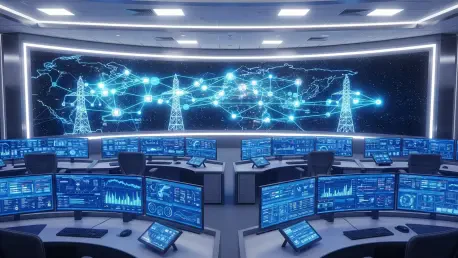
Technological innovation in grid monitoring and real-time demand response is the next frontier for the Mexican energy sector. By utilizing advanced sensors and automated control systems, operators can better predict demand spikes and adjust the flow of electricity before a crisis occurs. Potential market disruptors, including the rapid expansion of energy-intensive electronics and the proliferation of massive data hubs, are forcing a rethink of how the grid is structured and funded.
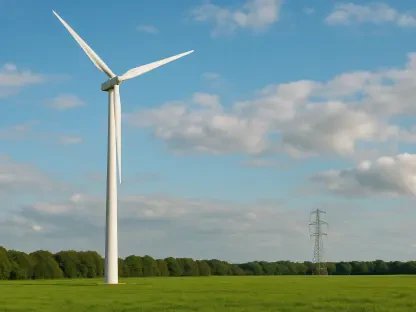
The necessity of diversifying the energy mix to include more resilient and decentralized sources is no longer a matter of debate but a requirement for survival. By integrating more solar, wind, and storage solutions, the system can reduce its reliance on centralized thermal plants that are vulnerable to fuel shortages. Future growth in the transmission sector will likely focus on the Megalópolis and the southern states, where the combination of population density and industrial growth creates the most significant demand for a modernized electrical backbone.
Strengthening Resilience: Final Verdict on Mexico’s Energy Readiness
The narrow safety margins observed throughout the high-heat periods confirmed that the national grid operated at its absolute limit. It became clear that the industry’s prospects relied heavily on accelerated infrastructure investment to stay ahead of the curve of economic growth. Strategic recommendations for industrial stakeholders emphasized the importance of self-generation and energy efficiency to manage operational risks when the sun was at its peak. Ultimately, the proactive management of generation assets and the strategic use of portable units provided a temporary shield against a total system collapse. The transition toward a more decentralized and technologically advanced grid was identified as the only viable path to long-term reliability. Stakeholders recognized that while the immediate crisis was managed, the underlying vulnerabilities required a permanent shift in how energy was distributed across the republic.