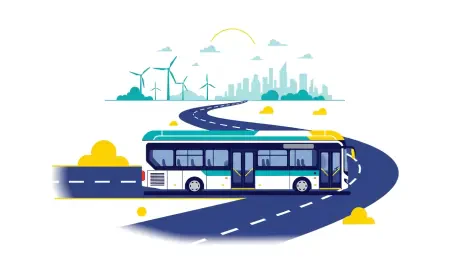

Public transportation systems across the globe are currently undergoing a massive structural reorganization as municipalities prioritize the total decarbonization of their aging urban transit networks. This fundamental shift was prominently displayed at the Prawaas 5.0 exhibition in Gandhinagar, where SWITCH Mobility, the electric vehicle division of the Hinduja Group, unveiled its latest technological advancements in the form of the EiV9 and the upgraded EiV12 Intercity model. These vehicles represent a calculated pivot toward application-focused mobility, moving beyond the generic approach that has traditionally dominated the bus industry. By concentrating on 9-meter and 12-meter platforms, the company is addressing the granular requirements of city transit agencies, educational institutions, and corporate campuses that require versatility without the bulk of traditional full-sized transit buses. This strategic orientation aims to fill the current void in the market for medium-sized electric vehicles that offer high-performance metrics while remaining economically accessible for a wide range of operators.
Engineering the Next Generation of 9-Meter Transit
Technical Innovations: Efficiency and Performance
The development of the EiV9 platform represents a significant milestone in bus engineering, as it utilizes a next-generation lightweight architecture specifically designed to maximize energy density while maintaining structural integrity. At the heart of this vehicle lies a 213kW electric motor that delivers consistent torque across various speed ranges, making it ideal for the stop-and-go nature of dense urban environments. This propulsion system is paired with an advanced regenerative braking setup that reclaims kinetic energy during deceleration, significantly extending the operational range between charges. By reducing the overall curb weight of the vehicle, engineers have managed to improve the power-to-weight ratio, allowing for better acceleration and handling on tight city streets where larger buses often struggle. This balance of power and agility ensures that transit agencies can maintain rigorous schedules without compromising on the energy efficiency that is required for modern sustainability goals.
Beyond the mechanical specifications, the design philosophy of the 9-meter segment focuses on bridging the gap between small feeder vans and high-capacity transit buses. This mid-sized configuration allows for a higher frequency of service on routes that do not justify the deployment of a 12-meter bus, thereby optimizing the utilization rates for fleet managers. The interior layout has been optimized to offer maximum passenger capacity while ensuring that the vehicle remains narrow enough to navigate historical districts and residential zones. This architectural flexibility is a core component of the #SwitchKaro campaign, which emphasizes the transition to electric mobility through practical, real-world applications. By providing a platform that is specifically tuned for these intermediate routes, the industry is seeing a reduction in the “empty bus” syndrome, where large vehicles operate at low capacity, leading to wasted energy and increased wear on city infrastructure.
Charging Infrastructure: Speed and Battery Optimization
To address the persistent concern of vehicle downtime, the EiV9 incorporates dual-gun CCS2 fast charging technology, which allows for rapid energy replenishment during driver shift changes or short layovers. This system is designed to handle high-power inputs safely, reducing the time required to reach a full state of charge and ensuring that the bus remains on the road for the maximum possible duration each day. The integration of this standardized charging protocol also means that fleet operators can utilize existing charging networks without the need for proprietary hardware, lowering the initial capital expenditure required for electrification. By streamlining the refueling process, the technology effectively eliminates the operational bottlenecks that previously made electric fleets less attractive than their diesel counterparts. This focus on speed and compatibility is essential for maintaining the high levels of service reliability expected by commuters in modern metropolitan areas.
The battery systems powering these vehicles are not just about raw capacity; they are built on a modular design that allows for significant customization based on the specific needs of the operator. Fleet managers can choose energy configurations that match the exact mileage of their routes, preventing the unnecessary expense and weight of carrying excess battery capacity. This modularity also facilitates easier maintenance and eventual recycling, as individual battery modules can be serviced or replaced without dismantling the entire energy storage system. By optimizing the battery weight and placement, the center of gravity of the bus is kept low, which enhances stability and improves the overall safety profile of the vehicle. This engineering choice directly contributes to a lower total cost of ownership, as the reduced weight translates to less wear on tires and suspension components, while the optimized battery size minimizes the electricity costs associated with each kilometer traveled.
Market Strategy and Integrated Technologies
Institutional Expansion: Catering to Specialized Fleets
The demand for 9-meter electric buses is experiencing an unprecedented surge, with market forecasts indicating a compound annual growth rate of 34% as we move toward 2030. This growth is driven by a diverse array of institutional clients, including private schools and corporate entities, who are seeking to align their transportation logistics with broader environmental mandates. SWITCH Mobility has positioned itself at the forefront of this trend by focusing on four foundational pillars: operational efficiency, passenger comfort, safety, and economic transparency. By targeting these specialized segments, the company is proving that electrification is not just for public transit agencies but is equally viable for private transport providers. The shift toward smaller, more efficient electric buses allows these organizations to reduce their carbon footprint while simultaneously benefiting from the lower maintenance requirements of electric drivetrains.
Safety remains a paramount concern for institutional fleets, particularly those tasked with the daily transportation of students and corporate employees. To meet these high standards, the EiV series comes equipped with sophisticated safety systems, including a comprehensive Fire Detection and Suppression System that monitors the battery and engine compartments in real time. Additionally, the inclusion of premium air suspension ensures a smooth ride quality that rivals luxury coaches, which is a critical factor for long employee commutes. The interior environments are designed with modern ergonomic standards in mind, featuring individual USB charging ports and specialized seating arrangements that prioritize passenger well-being. These features make the transition to electric buses a value-added proposition for institutions, as they can offer a superior commuter experience while demonstrating a tangible commitment to sustainable development and advanced safety protocols.
Digital Ecosystems: The Impact of Connected Intelligence
A central element of the modern electric bus experience is the “SWITCH iON” system, a sophisticated digital platform that provides real-time diagnostics and comprehensive battery management tools. This connected-vehicle technology allows fleet managers to monitor the exact location of every bus, analyze driver behavior to promote energy-efficient habits, and track the health of battery cells with extreme precision. By utilizing these data-driven insights, operators can implement proactive maintenance schedules that address potential issues before they lead to unexpected breakdowns. This level of transparency is vital for managing the complex logistics of an electric fleet, where battery health and charging schedules must be perfectly synchronized to ensure maximum operational uptime. The digital ecosystem effectively transforms the bus from a simple transport vehicle into a smart, connected asset that generates valuable data for optimizing the entire transit network.
The evolution of the electric bus market was largely defined by the successful harmonization of technical prowess and data-driven fleet management. By prioritizing modular battery systems and real-time connectivity, the transition moved beyond theoretical sustainability into a phase of tangible economic profitability for global transit operators. This shift proved that the adoption of high-efficiency platforms was the most logical step for schools and corporate entities looking to modernize their logistics. The infrastructure developed during this period allowed for a seamless integration of smart-grid technology, which in turn lowered the total cost of ownership to levels that traditional fossil-fuel systems could no longer match. These advancements ensured that the foundation for a zero-emission future was firmly established through practical engineering and a relentless focus on passenger safety standards. The successful deployment of these specialized vehicles provided the necessary evidence for a permanent shift in global transit policy.