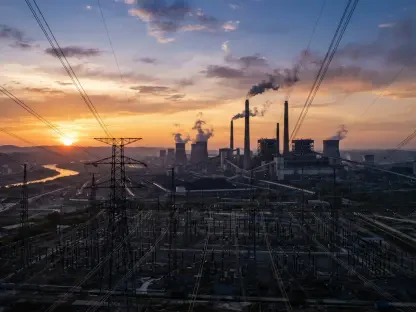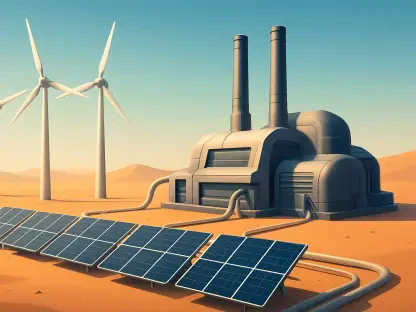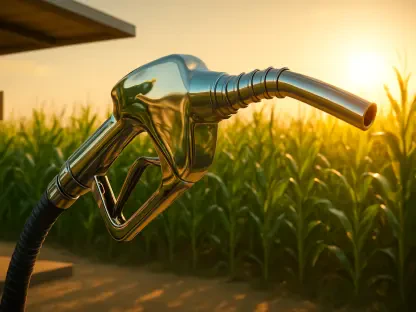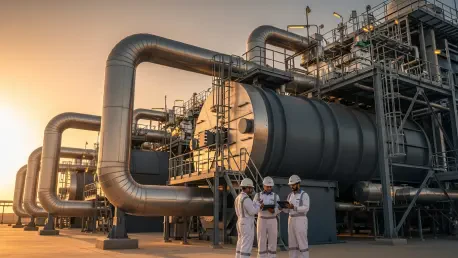

The transition from traditional hydrocarbon-based energy generation to more diversified and sustainable sources represents one of the most significant industrial shifts currently occurring within the Kingdom of Saudi Arabia. As the nation intensifies its efforts to align with broader environmental and economic goals, the modernization of existing utility infrastructure has become a top priority for state-owned energy entities. This transformation involves replacing outdated combustion methods with sophisticated technologies that allow for greater operational flexibility and reduced carbon intensity. By focusing on the conversion of massive thermal power plants, the country is effectively bridging the gap between its historical reliance on crude oil and a future powered by cleaner-burning natural gas and renewables. This strategic pivot ensures that the growing demand for electricity is met without compromising long-term ecological commitments. The integration of high-efficiency dual-fuel systems serves as a critical catalyst in this evolutionary process.
Strategic Partnerships: Integrating Global and Local Expertise
Collaborative Framework for Industrial Growth
The successful implementation of such large-scale energy projects relies heavily on the synergy between international technological leaders and regional operational experts. In this context, the alliance between Mitsubishi Power, Dar Al Balad Contracting and Operations, and Mitsubishi Corporation Machinery represents a sophisticated organizational structure designed to address the unique complexities of the Saudi energy sector. By combining the global engineering prowess of a Japanese multinational with the localized logistical and operational insights of a Saudi-based firm, the project ensures that every phase of the fuel conversion process is handled with precision. This collaborative approach, spanning from 2026 to 2028, facilitates the efficient mobilization of resources and the management of local supply chains, which are essential for maintaining the project timeline. Furthermore, the partnership creates a platform for knowledge transfer, allowing local engineers to work alongside global experts in high-efficiency thermal technology to enhance the grid.
Technical Specifications for Fuel Flexibility
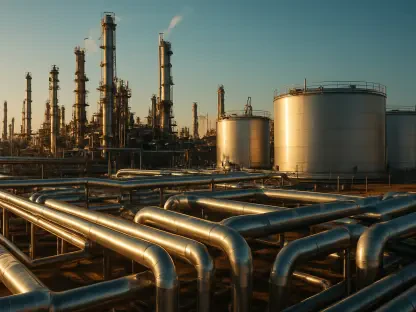
At the heart of this industrial transformation is the installation of high-efficiency dual-fuel boilers, which are designed to offer unparalleled operational flexibility for the country’s power grid. These advanced systems are engineered to consume both natural gas and heavy fuel oil, allowing utility operators to switch between energy sources based on availability and economic conditions. This capability is particularly vital as the Kingdom expands its natural gas infrastructure, providing a reliable bridge during the transition period. The technical modifications involve complex adjustments to the combustion systems and fuel delivery networks, ensuring that the transition from one fuel type to another occurs without compromising the power output or stability of the plant. By enabling these facilities to utilize cleaner-burning natural gas, the project directly contributes to a significant reduction in the environmental footprint of the power generation sector while maintaining high energy density throughout the network.
Grid Resilience: Modernizing Infrastructure for Stability
Utilizing the OEM Advantage for System Upgrades
A significant advantage in the execution of these upgrades is Mitsubishi Power’s role as the Original Equipment Manufacturer for the primary components of the targeted facilities. Since the company originally designed and manufactured the boilers for the Jeddah South and Shuqaiq power plants, it possesses an intimate understanding of the mechanical and structural intricacies of the equipment. This proprietary knowledge is invaluable when performing complex fuel conversions, as it allows engineers to anticipate how modifications will interact with existing systems. Having access to the original design blueprints ensures that every new component integrated into the plant is perfectly compatible with the legacy infrastructure. This level of technical continuity reduces the likelihood of unforeseen complications during the installation phase and guarantees that the plants will meet their original design specifications. By capitalizing on their status as the original manufacturer, the project team ensures a secure transition to a modern energy production model.
Strategic Outcomes for Regional Energy Security
The implementation of this comprehensive fuel conversion initiative established a clear path toward a more sustainable and economically sound energy future for the region. By modernizing existing assets, the project demonstrated that significant environmental gains could be achieved without the immediate need for entirely new infrastructure. The strategic decision to prioritize dual-fuel capabilities provided the necessary flexibility to navigate the complexities of a changing energy landscape. This approach underscored the importance of leveraging specialized technical partnerships and OEM expertise to ensure the success of large-scale utility projects. Stakeholders recognized that investing in high-efficiency technologies was the most effective way to balance immediate energy needs with long-term ecological goals. The lessons learned from this transformation highlighted the value of integrating global engineering standards with local operational needs. Ultimately, these actions solidified the foundation for a resilient energy network that prioritized efficiency and reliability.