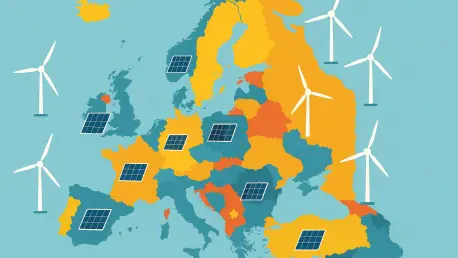

The IEEFA recommends a pivot toward renewables and efficiency upgrades to curb the seasonal demand peaks that threaten the financial health of the European bloc. This critical warning comes at a time when the European Union is grappling with a precarious energy landscape, as gas reserves have plummeted to their lowest levels for this specific season since 2011. As of early October, the region’s storage facilities were only 72.4% full, a sharp decline that underscores the growing vulnerability of the European energy grid. This inventory shortfall is further complicated by the looming 2027 ban on Russian liquefied natural gas and an increasingly unstable global market. To navigate the colder months without widespread disruptions, experts suggest that the bloc must achieve a 7% reduction in consumption, which is roughly 14 billion cubic meters. This situation requires a fundamental shift in how energy is managed to ensure that the region remains resilient against unforeseen price shocks and supply shortages.
Market Volatility
Supply Risks: Impact of the Strait of Hormuz
The current volatility in energy prices is largely driven by the ongoing geopolitical friction between the United States and Iran, which has severely disrupted the flow of traffic through the Strait of Hormuz. As a vital artery for the global liquefied natural gas trade, any instability in this region immediately impacts European futures, with Dutch TTF prices frequently hovering near the €80 per megawatt-hour mark. This external pressure has significantly inflated the cost of energy security, with the European Commission reporting that fossil fuel imports have cost the Union an additional €100 billion since late February without any corresponding increase in actual volume. The financial burden of these imports is straining national budgets and forcing a reconsideration of long-term supply strategies. Because the region remains heavily reliant on these maritime routes, even minor delays to shipping can trigger immediate and substantial price spikes for industrial and domestic consumers.
Price Shifts: The Collapse of Storage Profits
Market dynamics that once encouraged the accumulation of gas reserves have fundamentally broken down under the pressure of current economic conditions. In the past, private traders were incentivized to fill storage tanks during the summer when prices were low, with the intention of selling at a profit during the high-demand winter season. However, this traditional incentive has collapsed as summer prices have occasionally exceeded winter forecasts, transforming gas storage from a profitable venture into a significant financial liability for private entities. This shift has necessitated direct intervention from governments in Germany, the Netherlands, and Spain, where subsidies and mandates are now required to ensure that storage targets are met. Without these state-led measures, the market would likely fail to maintain the reserves necessary for public safety. This transition from a market-led model to a state-managed reserve system represents a major change in how the bloc prioritizes its fuel security.
Structural Adaptation
Usage Limits: Reaching the End of Voluntary Cuts
The potential for further voluntary demand reductions has become increasingly limited as the European Union reaches the end of its initial conservation phase. While the region successfully lowered its gas consumption during the early stages of the supply crisis, usage has since stabilized at approximately 200 billion cubic meters over the most recent winter periods. This stabilization suggests that the easiest efficiency gains and behavioral changes have already been implemented, leaving little room for additional cuts without impacting industrial production or domestic comfort. Analysts are concerned that the current storage levels may not be able to deliver gas quickly enough to meet the peak demand caused by a severe or late-winter cold spell. If storage levels continue to drop, the physical rate of withdrawal may become too slow to compensate for sudden spikes in heating requirements. This physical constraint poses a direct threat to the stability of the grid during extreme weather events.
Strategic Pivot: Investing in Long-Term Resilience
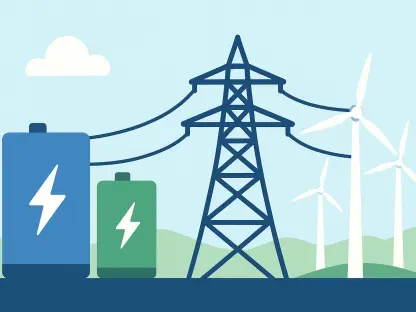
To address these systemic vulnerabilities, the European bloc shifted its focus toward structural solutions that prioritized energy efficiency and renewable integration. Rather than continuing to rely on expensive and volatile imports, policymakers accelerated the rollout of industrial electrification and high-capacity heat pumps. These initiatives were designed to permanently reduce the seasonal demand peaks that previously threatened financial stability. The transition involved significant investment in decentralized energy systems and smart grid technology, which allowed for a more flexible response to supply fluctuations. By modernizing building standards and incentivizing green technologies, member states successfully decoupled their economic growth from fossil fuel consumption. This strategic pivot ensured that the energy infrastructure was better equipped to handle future disruptions without relying on the traditional market incentives that had failed to provide security during the preceding years of global economic instability.