
Hydrogen-ready engine designs offer a potential solution for heavy-duty applications where battery weight and charging times currently limit the effectiveness of pure electrification. This technological shift is becoming increasingly critical as urban centers implement stricter low-emission zones that prohibit older diesel machinery. Beyond just compliance, the move toward sustainable power addresses the growing need for energy security and operational cost reduction. Manufacturers have significantly increased production of multi-fuel engine platforms that can be easily converted to run on hydrogen or synthetic fuels with minimal hardware adjustments. These advancements allow contractors to invest in equipment today that remains viable through the decade without requiring entire fleet replacements. The integration of zero-emission machinery is no longer a fringe project for specialized developments; it has become a standard requirement in municipal tenders across the nation. This transformation requires a rethinking of jobsite logistics and energy procurement to ensure that performance remains high while environmental impact is lowered.
The Evolution: Internal Combustion and Electric Hybridization
Engineers have made significant strides in optimizing high-pressure direct injection systems specifically designed for gaseous fuels, ensuring that hydrogen-powered engines maintain the torque and durability demanded by heavy earthmoving operations. Unlike battery-electric counterparts, these internal combustion variants can operate in extreme temperature ranges without experiencing the significant power loss or degradation often seen in lithium-ion chemistries. This reliability is vital for projects in remote regions or harsh climates where downtime leads to exponential financial losses. While hydrogen is the primary focus, the industry is also witnessing a surge in hybrid systems that combine downsized engines with electrical storage buffers to capture kinetic energy during downward movements of excavator booms or crane lifts. These systems reduce peak engine load and lower fuel consumption by approximately twenty percent compared to conventional hydraulic systems. By leveraging these hybridized components, fleets can bridge the gap between legacy diesel and fully carbon-neutral operations.
The development of modular battery packs has also revolutionized the lighter end of the machinery spectrum, such as mini-excavators and skid-steer loaders, which now perform on par with their fossil-fuel predecessors. These electric models offer the additional benefit of near-silent operation, allowing construction crews to work in residential neighborhoods during evening hours without violating noise ordinances. This capability essentially extends the working day and accelerates project timelines, providing a clear competitive advantage for contractors who adopt the technology early. Furthermore, the total cost of ownership for electric small-scale equipment has fallen below diesel equivalents when accounting for reduced maintenance requirements and lower energy prices. The absence of traditional combustion components like spark plugs, air filters, and oil systems simplifies the logistics of fleet management and reduces the frequency of on-site service calls. This shift toward electrification is supported by improvements in thermal management systems that prevent overheating during tasks.
Infrastructure and Digital Oversight: Implementing Reliable Networks
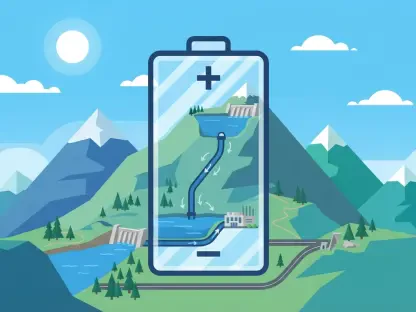
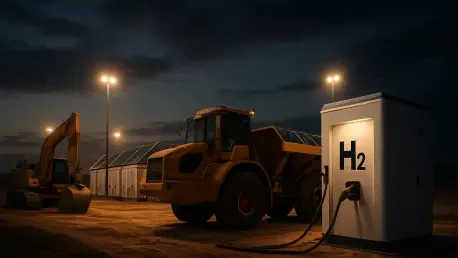
One of the most significant hurdles in adopting cleaner power is the lack of existing electrical infrastructure at early-stage construction sites, leading to the rise of containerized energy storage systems. These mobile power hubs act as giant batteries that can be charged from the grid during off-peak hours and transported to the jobsite to provide immediate high-voltage charging for heavy machinery. Some of the latest models incorporate integrated solar arrays on their outer surfaces to supplement power generation, creating a semi-autonomous energy ecosystem. This approach mitigates the need for expensive and slow grid connections that often delay the start of a project by several months. In addition to battery storage, mobile hydrogen refueling stations are being deployed to support the growing fleet of ##-powered vehicles, utilizing high-pressure dispensing technology that mimics the speed of traditional diesel refueling. This infrastructure development ensures that zero-emission machines do not suffer from the extended charging windows that previously hindered adoption.
Digital twins and telematics are playing an equally crucial role in managing these new power sources by providing real-time data on energy consumption and battery health across the entire jobsite. Site managers can now utilize advanced software platforms to predict energy demand peaks and schedule equipment charging or refueling during periods that do not interfere with critical path activities. This data-driven management style prevents local grid overloads and ensures that every piece of equipment is ready for operation at the start of each shift. Moreover, the integration of smart sensors allows for predictive maintenance, alerting technicians to potential failures in hydrogen fuel lines or battery cells before they cause significant downtime. The transition to cleaner power is therefore as much a digital transformation as it is a mechanical one, requiring personnel to develop new skill sets in data analysis and electrical systems. As these technologies become deeply embedded, the synchronization between energy supply and mechanical demand will become automated.
Strategic Integration: Low Emission Protocols and Safety
Industry leaders recognized that the transition to sustainable power required a proactive approach to workforce training and safety protocols, especially regarding the handling of high-voltage systems and pressurized hydrogen. Companies successfully integrated new safety standards that emphasized specialized maintenance training and the use of non-conductive tools for electric fleet servicing. Strategic partnerships between equipment manufacturers and energy providers facilitated the rollout of reliable refueling corridors, ensuring that regional projects remained viable regardless of local infrastructure limitations. Decision-makers also prioritized the retrofitting of existing chassis with drop-in hydrogen engines to extend the lifecycle of their current assets while meeting new environmental regulations. Financial models were updated to reflect the long-term savings in fuel and maintenance, proving that the initial capital expenditure was offset by lower operational costs over the life of the machine.
The successful implementation of these power strategies demonstrated that technical innovation must be paired with logistical flexibility to achieve true sustainability on the jobsite. Contractors who shifted toward multi-fuel platforms and decentralized energy hubs found themselves better insulated against the price volatility of the global fossil fuel market. Furthermore, the adoption of onsite electrolyzers allowed for the localized production of hydrogen fuel, further reducing the carbon footprint associated with transporting energy to remote locations. This integrated energy model not only fulfilled environmental mandates but also optimized the overall efficiency of construction projects by minimizing fuel delivery delays. By establishing these robust frameworks, the sector transitioned from a reliance on traditional diesel toward a diversified energy portfolio that prioritized both power and preservation. These efforts established a blueprint for decentralized energy production, allowing firms to generate their own power and significantly reducing reliance on external energy markets.