
Residential energy consumption has reached a critical juncture where homeowners are facing unprecedented financial pressure from skyrocketing utility rates and unpredictable weather patterns that stretch the limits of standard household budgets. To combat these rising costs, the implementation of advanced thermal barriers has emerged as a fundamental strategy for creating self-sustaining environments. This approach functions like a high-performance blanket wrapped around the structure, significantly reducing the energy required to maintain a comfortable indoor climate regardless of the external conditions. While some regions have historically lagged behind international benchmarks, the current shift toward higher efficiency standards reflects a growing recognition of energy security as a primary household priority. This transition is not merely about comfort but involves a structural overhaul of how residents interact with the broader energy ecosystem in a rapidly changing world.
1. Thermal Efficiency and Individual Economic Benefits
The current economic landscape necessitates a shift in how thermal efficiency is perceived within the residential sector. Insulation acts as a thermal regulator, preventing the rapid exchange of heat between the interior of a dwelling and the outside world. This mechanism ensures that heat remains inside during colder months while being kept at bay during the height of summer, effectively stabilizing the internal environment. Historically, many building codes relied on minimum requirements that are now proving insufficient for the extreme temperatures observed today. In comparison to international benchmarks seen in northern Europe or parts of North America, older housing stocks in regions like Australia often lack the necessary density of materials to prevent massive energy loss. Upgrading these systems is now viewed as an essential investment rather than a luxury. This foundational change allows households to decouple their comfort from the volatility of the energy market while ensuring long-term property value.
Beyond simple temperature regulation, enhanced insulation provides tangible cost reductions and protects the health of occupants. By decreasing the reliance on expensive heating and cooling systems, households can significantly lower their monthly expenditures and reduce the mechanical wear on HVAC units. Furthermore, well-insulated homes avoid the need for gas-powered heaters to run continuously, which reduces potential exposure to harmful pollutants like nitrogen dioxide that are often released into living spaces. In airtight environments, managing the thermal envelope also allows for better control of indoor humidity, preventing the growth of mold and mildew in hidden wall cavities. This holistic approach to home improvement addresses physiological well-being by ensuring that indoor air quality remains high while energy waste is minimized. Consequently, the decision to upgrade insulation is a multifaceted investment that prioritizes long-term physical health and economic stability for the family.
2. Grid Infrastructure and Systematic Policy Frameworks
The collective impact of well-insulated homes extends far beyond individual savings, offering a powerful tool for stabilizing the national energy grid. When a significant portion of the housing stock can maintain comfortable temperatures after appliances are turned off, the total demand for electricity and gas drops significantly. This efficiency lowers the strain on the grid during peak times, such as hot afternoons or cold weekday evenings, when demand typically spikes. By reducing these spikes in consumption, utility providers can avoid the massive costs associated with building new power plants or expanding gas pipe networks. These infrastructure savings are critical for a sustainable transition to renewable energy, as they minimize the total capacity required to keep the system running reliably. Effectively, every insulated home acts as a passive battery that absorbs the stresses typically placed on utility providers, fostering a more reliable distribution network for all consumers in the region.
Governments have responded to these challenges by expanding the Nationwide House Energy Rating Scheme to include existing homes, helping owners identify specific efficiency gaps. Retrofitting millions of structures is now a core component of national climate targets, supported by state-funded initiatives and community pilots. These programs specifically target low-income households, providing the financial assistance needed to perform substantial thermal upgrades that would otherwise be cost-prohibitive. By aligning residential improvements with broader policy goals, these frameworks create an environment where private upgrades contribute directly to public stability. Additionally, new grant systems have been implemented to encourage the adoption of high-performance materials in older suburban developments. These support systems ensure that the transition to a high-efficiency future is equitable, providing a clear roadmap for urban planning to adapt to the evolving energy demands.
3. Implementation Steps and Strategic Future Considerations
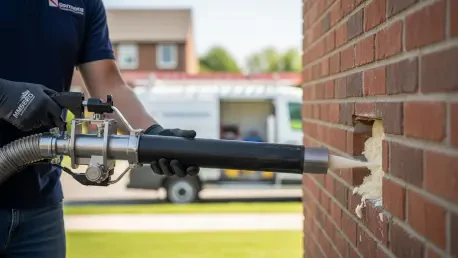
To achieve optimal results, residents should hire a certified professional to evaluate their current setup and check for financial incentives. Consulting with a qualified inspector helps identify thermal bridges while researching government rebates can offset initial costs significantly. The first priority involves enhancing attic insulation by filling voids or replacing worn materials in the roof cavity. Next, homeowners must plug any openings around windows and doors to stop air leaks using sealants or weather stripping to close gaps in floors and frames that cause drafts. For homes without existing wall insulation, specialized blow-in techniques allow machines to pump materials like fiberglass or cellulose into empty wall spaces without major renovation. These practical measures, when executed systematically, create an airtight and thermally resistant structure. By focusing on the most vulnerable parts of the building envelope, occupants can ensure that every upgrade provides the maximum possible benefit.
Looking back, the integration of advanced insulation was viewed as a critical piece of infrastructure that supported a low-emissions future. Stakeholders successfully implemented retrofitting strategies that treated residential efficiency as a primary resource for grid stability. This proactive stance allowed for the reduction of peak demand and the stabilization of energy costs for millions of households. Actionable steps involved the widespread adoption of professional audits and the use of blow-in materials for older dwellings. These initiatives moved the industry toward a model where thermal performance was prioritized during every renovation. By treating the home as a holistic system, residents effectively mitigated the risks of energy poverty. The success of these efforts was bolstered by the integration of smart sensors and local microgrids that provided real-time data on thermal loss. This strategic outlook ensured that efficiency remained a permanent fixture of urban planning.