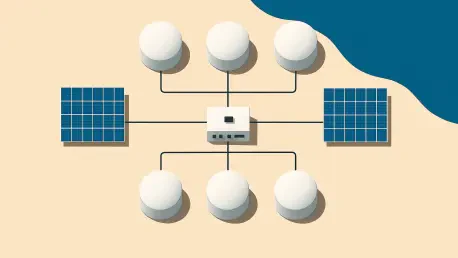

The Denham renewable hydrogen project in Western Australia highlighted the significant technical difficulty of integrating hydrogen hardware with existing legacy grid infrastructure. As remote communities look for alternatives to diesel-heavy energy portfolios, these microgrids represent a shift toward high-tech energy independence. However, the transition involves rethinking the entire physics of the grid. While solar and wind are now the backbone of decentralized power, their intermittent nature creates gaps that lithium-ion batteries cannot always fill over extended periods. This is where hydrogen steps in, acting as a chemical storage medium that promises to bridge the gap during seasonal shifts or multi-day weather events. The current energy landscape requires a sophisticated understanding of how electrolyzers and fuel cells interact with fluctuating renewable inputs to provide the stability that traditional mechanical generators once offered in these isolated desert regions.
Technical Foundations
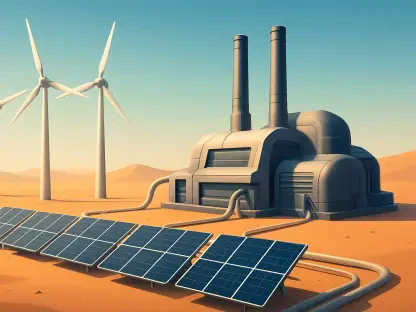
Modern microgrid design has evolved into a sophisticated hierarchy where different technologies handle specific temporal needs to ensure total system reliability. At the base level, solar panels and wind turbines generate the raw energy needed for daily operations, while battery systems manage the millisecond-to-hour fluctuations in supply. Hydrogen adds a strategic third layer of storage that addresses the limitations of electrochemical batteries, which often struggle with long-term energy retention and high discharge rates over several days. In these systems, excess electricity generated during peak renewable periods is fed into an electrolyzer to produce hydrogen gas. This gas is then stored under pressure, effectively creating a massive energy bank that remains available for whenever the primary sources fail. This tiered approach allows remote outposts to maintain a consistent power supply without needing to oversized their battery arrays to impractical levels.
Efficiency Gaps
Efficiency remains a critical concern for engineers as they evaluate the thermodynamic losses inherent in the hydrogen conversion cycle within remote power systems. When electricity is converted to hydrogen via electrolysis, then compressed and eventually turned back into power through a fuel cell, a significant amount of energy is lost as waste heat. This round-trip efficiency is notably lower than that of lithium-ion batteries, making hydrogen an expensive choice for daily energy shifting. Consequently, hydrogen is typically reserved for long-duration storage where the energy density of gas outweighs the efficiency benefits of batteries. In the context of 2026, the focus has shifted toward capturing waste heat from the fuel cells to improve the overall system performance, particularly in colder climates where thermal energy is in high demand. This integrated approach helps mitigate some of the economic downsides associated with the lower electrical efficiency of the hydrogen lifecycle.
System Resiliency
The reliability of hydrogen microgrids is anchored in their ability to provide a deep reserve of energy that can be tapped during extended periods of poor weather. Unlike batteries, which can be fully depleted within a few hours of heavy use, a properly sized hydrogen storage tank can provide days or even weeks of continuous power. This makes it an ideal solution for remote mining sites or Arctic research stations where a missed fuel delivery or a week-long storm could prove catastrophic. Furthermore, the decoupling of power capacity from energy capacity allows for a more flexible system design; if a community needs more energy storage, they simply add more tanks rather than expensive new battery modules. This scalability is a primary driver for the adoption of hydrogen in environments where the cost of failure is extreme. The stability provided by a steady fuel cell output also helps in maintaining the frequency of the microgrid while protecting sensitive equipment.
Performance Realities
Translating laboratory success into field reliability requires a deep understanding of the unique environmental challenges faced by microgrids in isolated locations. Projects across the globe have shown that while the hardware is maturing, the software and automation layers are what truly determine whether a system succeeds or fails. Control systems must be capable of predicting weather patterns and managing the state of charge across multiple storage mediums to ensure the electrolyzer only runs when there is a genuine surplus of energy. Moreover, the physical environment itself plays a significant role in performance, with extreme heat or salt-laden air requiring specialized enclosures and robust cooling systems. These real-world variables often lead to higher maintenance requirements than initially anticipated, highlighting the need for a robust supply chain for parts and specialized labor. Success in these environments is about how technology is integrated into a site-specific framework.
Resource Constraints
Resource scarcity, particularly regarding water purity, presents a significant operational hurdle for hydrogen microgrids located in arid or coastal regions. Electrolyzers require highly purified, deionized water to prevent the degradation of membranes and electrodes, which often necessitates the inclusion of advanced desalination systems. This adds another layer of complexity and cost to the project, as these water treatment units also require regular maintenance and energy to operate. Additionally, the lack of specialized local technicians can lead to prolonged downtimes if a critical component like an electrolyzer stack or a high-pressure compressor malfunctions. Training local personnel to handle pressurized gas and complex electronics is a vital but often overlooked aspect of project planning. Without a sustainable local workforce, the promise of energy independence remains fragile, dependent on the availability of distant experts and expensive parts sent from overseas.
Strategic Integration
Strategic evaluations of microgrid performance in the mid-2020s revealed that the most resilient systems were those that moved away from a reliance on any single technology. Decision-makers learned that hydrogen was best utilized as a niche component of a diversified energy toolkit, rather than a universal replacement for existing infrastructure. They implemented rigorous risk assessments that factored in the total cost of ownership, including the long-term maintenance of water purification and gas storage systems. These early adopters shifted their focus toward modular designs that allowed for easier upgrades and the integration of emerging fuel cell chemistries. By 2026, the emphasis was firmly on building regional training hubs to ensure that maintenance expertise was available closer to the sites of operation. These actions paved the way for a more stable energy future where remote power was no longer synonymous with diesel, providing a concrete blueprint for energy security.