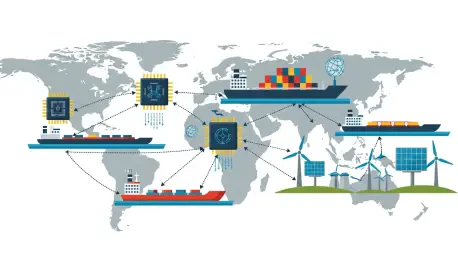

The maritime shipping industry is currently fixated on identifying which carbon-neutral fuel will replace traditional oil, yet this narrow focus often ignores the reality that the global energy transition will fundamentally change the demand for shipping itself. Instead of merely searching for a cleaner way to power the existing global fleet, stakeholders must recognize that the shift away from fossil fuels will naturally shrink the total volume of cargo that needs to be moved across the world’s oceans. As the global economy moves toward decentralized and renewable energy sources, the massive infrastructure once required to transport energy in the form of liquid or solid commodities will begin to diminish. This reduction in the physical work required by the maritime sector offers a more realistic and economically viable path to reaching net-zero emissions than the daunting task of replacing every gallon of bunker fuel with expensive synthetic alternatives. By understanding that a decarbonized future is one where fewer raw commodities are shipped long distances, the industry can right-size its fleet and focus its investments on the most efficient and localized technologies available today.
The Impact: Shifting Global Energy Economies
The Disappearance: Transitioning Away From Fossil Fuel Transport
Fossil fuels including coal, crude oil, and liquefied natural gas currently represent approximately 40% of the total cargo tonnage moved across the global ocean network. These materials are not only bulky but are frequently transported over immense distances, which means they account for nearly half of the total energy consumed by the international shipping fleet during their transit. As national economies transition toward domestic solar, wind, and geothermal energy sources, the massive infrastructure once required to move energy from one continent to another is beginning to diminish. This reduction in volume is not a temporary market fluctuation but a structural pivot in how the world satisfies its energy needs without relying on long-range maritime supply chains. The immediate consequence of this shift is a drastic reduction in the number of tankers and bulk carriers needed to sustain global industry, fundamentally altering the baseline for decarbonization efforts. Rather than finding green fuels for these ships, the industry is seeing the ships themselves become obsolete as their primary cargo disappears.
This systemic shift means the maritime industry does not need to find a one-for-one replacement for its current levels of fuel consumption. Planners who are scrambling to produce enough green hydrogen or ammonia to power today’s massive tanker fleet are often planning for a world that will no longer exist in a fully decarbonized economy. The primary fuel transition is not actually a change in the chemical composition of bunker fuel, but the elimination of the immense physical work required to transport energy as a commodity across thousands of nautical miles. When nations produce electricity locally through renewable grids, the demand for high-tonnage energy shipments evaporates, allowing the maritime sector to focus its remaining decarbonization efforts on a significantly smaller and more manageable fleet. By recognizing that the fleet size will naturally contract as the world moves away from a carbon-based economy, the maritime sector can avoid the catastrophic expense of building out a global supply chain for synthetic fuels that would only serve a shrinking market of specialized vessels.
Structural Changes: Declining Demand for Raw Industrial Materials
Iron ore shipping is also facing a significant downturn due to shifting industrial practices and the increased global adoption of metal recycling technologies. As major economies move past their peak construction phases and prioritize the maintenance of existing infrastructure, the demand for raw, virgin iron ore has begun to soften in favor of scrap-based steel production. The proliferation of electric arc furnaces allows manufacturers to process recycled steel locally, bypassing the need to transport millions of tons of iron ore from distant mines to coal-dependent industrial hubs. This transition significantly reduces the cargo miles associated with the heavy industry sector, which has historically been one of the largest drivers of maritime emissions. As the circular economy matures, the logistical necessity of moving raw geological materials across oceans is replaced by shorter, more efficient regional loops of reclaimed resources. This change reduces the pressure on the global shipping network and allows for a more focused approach to decarbonizing the smaller volumes of specialized materials.
Furthermore, the emerging practice of processing ore near mine sites using green hydrogen is further reducing the need to transport heavy, unprocessed raw materials over long distances. Instead of shipping massive quantities of low-grade iron ore to be refined in distant countries, mining companies are increasingly investing in localized refining to produce high-value, lightweight iron nuggets or direct reduced iron. This shift in the industrial value chain means that the maritime industry will transport less weight for the same economic value, drastically improving the energy efficiency of the global trade network. By refining materials at the source with renewable energy, the industry eliminates the carbon footprint associated with moving waste rock and impurities across the sea. This logistical optimization ensures that the remaining bulk carriers are used more effectively, moving only the essential components of industrial production. Consequently, the maritime sector can achieve its environmental goals not just by changing its fuel, but by participating in a smarter, more localized industrial ecosystem that prioritizes efficiency over volume.
Strategic Pathways: A More Efficient Fleet
Electrification: The New Standard for Regional Maritime Operations
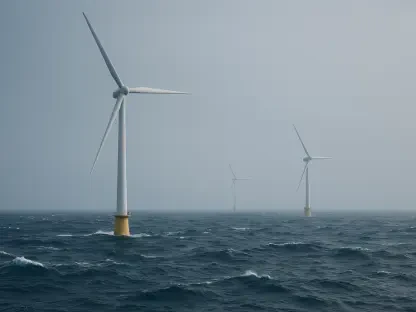
While the era of massive bulk carriers for fossil fuels is winding down, other sectors like offshore wind support and regional ferry networks are seeing unprecedented expansion. These growing segments are uniquely suited for full electrification rather than the adoption of complex and costly synthetic fuels. Because these vessels often follow fixed, predictable schedules and operate within proximity to the coastline, they can rely on high-capacity battery systems and shore-side charging infrastructure rather than high-density liquid fuels. Recent advancements in battery chemistry have significantly extended the operational range of electric vessels, making them a viable and highly efficient alternative to traditional internal combustion engines for short-sea shipping. By prioritizing the electrification of these high-traffic regional routes, the industry can achieve immediate and substantial emissions reductions. This approach allows operators to capitalize on the plummeting cost of renewable electricity, providing a stable and predictable operating cost that is completely insulated from the volatility of global oil or synthetic fuel markets.
For inland shipping, harbor craft, and tugboats, electricity is already proving to be the most viable solution for eliminating local air pollution and reducing greenhouse gas emissions. Port authorities are increasingly investing in robust charging networks that allow vessels to recharge while loading and unloading cargo, creating a seamless and efficient operational cycle. This infrastructure development, often referred to as cold ironing, also allows larger ships to turn off their auxiliary engines while at berth, further cutting emissions in densely populated coastal areas. By focusing on the electrification of the most active portions of the maritime network, the industry can decarbonize a significant percentage of its total operations without waiting for breakthroughs in alternative fuel chemistry. This strategy relies on proven technologies that are available today, providing an actionable roadmap for shipowners to modernize their fleets. As the grid becomes greener, the benefits of maritime electrification only multiply, making it the cornerstone of a sustainable and modern regional shipping infrastructure.
Operational Evolution: Maximizing Efficiency for Residual Long-Haul Voyages
For the remaining long-distance voyages that cannot be easily electrified due to current energy density limitations, operational efficiency proved to be the first and most effective line of defense. Simple but profound changes like reducing ship speeds, a practice known as slow steaming, allowed operators to cut fuel consumption by nearly a third without requiring any modifications to the vessel’s engine. Additionally, the reintroduction of wind-assisted propulsion, including modern Flettner rotors and rigid wing sails, provided a consistent supplement to mechanical power, further reducing the reliance on liquid fuels. These improvements ensured that the residual fleet required far less total energy to perform its duties than it did in the era of cheap, abundant heavy fuel oil. Stakeholders recognized that by integrating these physical efficiency measures, they could make the transition to expensive sustainable fuels much more economically palatable. The industry moved toward a model where every kilowatt of energy was treated as a precious resource, leading to a culture of precision in maritime logistics and ship design.
The transition toward a decarbonized maritime sector moved beyond the theoretical when operators finally integrated load optimization and wind-assisted propulsion as primary operational standards. Sustainable liquid fuels like biomethanol and biodiesel were adopted as essential range extenders for an optimized fleet rather than universal replacements for all traditional bunker fuel. This perspective made it clear that expensive and inefficient solutions like large-scale green hydrogen or ammonia were often unnecessary at the scale previously imagined. Logistics firms implemented data-driven routing that avoided port congestion and maximized hull performance through proactive maintenance and advanced coatings. This shift proved that the maritime industry’s future was not tied to its past scale, but to its ability to adapt to a world that moved less volume but moved it more intelligently. Ultimately, the successful decarbonization of the seas was achieved by embracing the inevitable reduction in fossil fuel shipments and redirecting those resources toward local, electrified supply chains and highly efficient long-haul technologies.