
The debate over the rising cost of electricity has reached a boiling point in North Carolina as the state utility commission reviews a substantial rate increase proposal that could fundamentally alter the financial landscape for millions of residential and commercial consumers across the region. As Duke Energy seeks to recover billions of dollars spent on grid modernization and the transition toward cleaner energy sources, local advocacy groups are sounding the alarm regarding the potential burden on low-income families who already struggle with inflationary pressures. This regulatory proceeding serves as a critical test for the state’s ability to balance the urgent need for a more resilient power infrastructure with the fundamental principle of affordable utility access. The outcome of these hearings will not only determine monthly bill amounts but also signal how the state intends to manage the complex economics of a changing energy sector while maintaining a stable environment for business growth.
Infrastructure Investment: The Drive for Grid Resilience
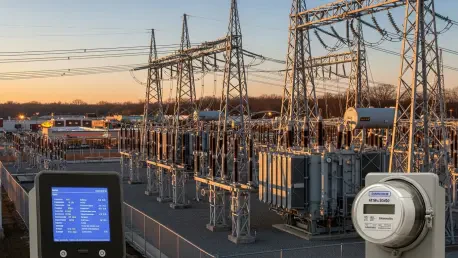
To meet the demands of a growing population and increasingly volatile weather patterns, Duke Energy has funneled massive capital into reinforcing its transmission lines and upgrading substations with automated switching technology. These specific improvements are designed to reduce the frequency and duration of power outages, especially in rural areas that have historically been more vulnerable to equipment failures during heavy storms. Furthermore, the company points to the necessity of retiring aging coal-fired power plants in favor of high-efficiency natural gas facilities and expanded solar arrays as a primary driver for the requested revenue increase. Critics, however, argue that while these upgrades are necessary, the pace of implementation and the associated costs are being passed on to the public without sufficient exploration of more cost-effective alternatives. The tension lies in whether these multi-billion dollar investments represent essential public works or excessive corporate spending in an era of fiscal restraint.
Beyond physical infrastructure, the rate hike proposal includes provisions for managing the long-term environmental costs associated with coal ash cleanup, a legacy issue that continues to influence the utility’s financial requests. For the typical household, these adjustments could manifest as a double-digit percentage increase in monthly expenses, a shift that many economists warn could dampen discretionary spending and slow regional economic growth. Small business owners in particular have expressed concern that higher operational costs will force them to raise prices on goods and services, creating a secondary inflationary effect across the state economy. Regulatory filings indicate that the utility is also seeking a higher return on equity, which would bolster investor confidence but simultaneously draw criticism from consumer advocates who believe that profits should not come at the expense of basic affordability. The financial burden is thus viewed through a lens of equity and long-term viability for all residents.
Regulatory Oversight: Accountability and Strategic Solutions
The North Carolina Utilities Commission managed the daunting responsibility of dissecting thousands of pages of financial data to determine if the proposed hikes were truly just and reasonable for all parties involved. This process involved a rigorous series of public hearings where community members, industrial stakeholders, and environmental organizations provided testimony on how the rate changes affected their specific interests. Legal experts representing the public staff—the independent agency tasked with representing the interests of the using and consuming public—closely examined the utility’s accounting practices to identify areas where costs were trimmed or deferred. By looking at the depreciated value of older assets and the projected efficiency gains from new technologies, these regulators aimed to strip away unnecessary expenditures that did not provide direct benefits to the ratepayers. The challenge was ensuring that the final decision reflected a fair and balanced compromise that protected everyone.
The resolution of the rate hike debate provided a clear roadmap for how utilities and regulators could collaborate to address the challenges of energy affordability in a shifting climate. Decision-makers focused on implementing a tiered pricing structure that shielded low-income households from the steepest increases while still providing the necessary capital for essential grid improvements. They emphasized the importance of aggressive energy efficiency programs, which allowed consumers to mitigate the impact of higher rates through reduced consumption and better home insulation. These programs were expanded to include more comprehensive assistance for commercial enterprises, ensuring that the local business community remained competitive despite the rising costs of power. By prioritizing transparency and accountability, the commission fostered an environment where future investments were evaluated based on their direct contribution to system reliability. This proactive stance helped stabilize the energy market.