
Navigating the Precision-Driven Environment of Modern Airside Operations
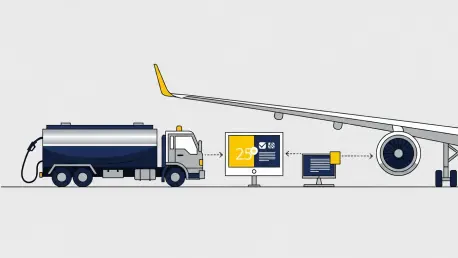
Precision is the invisible backbone of airport ground operations, where massive fueling dispensers must glide within inches of multi-million dollar aircraft wings under the watchful eyes of exhausted crews. At international aviation hubs, the margin for error is nonexistent. A single moment of distraction on the tarmac can lead to catastrophic damage, safety hazards for hundreds of travelers, and massive delays that ripple through global flight schedules. Bharat Stars Services Private Limited (BSSPL) recognizes these risks and is proactively integrating Netradyne’s edge AI technology to transform how ground safety is managed in real-time.
Ground operations are a constant blur of motion where fueling teams work in close proximity to active engines and mobile support equipment. While training programs are rigorous, the physical environment of an airport is inherently volatile. By deploying sophisticated intelligence systems, the partnership seeks to create a protective digital layer that monitors every movement. This approach ensures that the high-stakes task of delivering fuel is governed by data-driven insights, reducing the likelihood of a minor oversight turning into a major operational crisis.
The Critical Necessity for Enhanced Safety in High-Volume Fueling Hubs
The implementation of these advanced systems centers on the high-traffic corridors of Delhi, Mumbai, and Bengaluru, where the demand for constant fueling services creates a high-pressure environment. In these locations, ground crews operate 24/7 to maintain the relentless pace of air travel. While traditional protocols have long relied on human observation, the sheer volume of operations makes manual monitoring insufficient to catch every potential hazard, particularly when operators face the physical toll of repetitive shifts.
Human fatigue and distraction remain the most significant challenges in logistics, and the aviation sector is no exception. Traditional safety oversight often occurs after an incident has already happened, which does little to prevent the initial error. However, by adopting a proactive stance, BSSPL aims to address the root causes of tarmac risks. This initiative bridges the gap between existing regulatory standards and the unpredictable reality of daily ground support, ensuring that safety remains the top priority regardless of flight volume.
Transforming Fleet Oversight Through Edge AI and Computer Vision
At the heart of this safety revolution is the Driver·i platform, a sophisticated system that leverages computer vision to analyze every second of drive time. Unlike legacy telematics that only record data when a collision or hard braking event occurs, this edge AI technology provides a continuous stream of operational intelligence. This allows the system to identify subtle precursors to accidents, such as the early onset of driver drowsiness or minor distractions that might otherwise go unnoticed until it is too late.
The technology is specifically calibrated for the unique challenges of the airport environment, such as strict speed constraints and specialized obstacles found on the tarmac. In-cab audible warnings provide drivers with immediate feedback, allowing for self-correction before a potential collision occurs. This real-time interaction transforms the vehicle from a simple machine into an intelligent partner, providing a comprehensive safety net for the entire fueling fleet.
Expert Perspectives on the Shift Toward Proactive Risk Management
Industry leaders see this partnership as a fundamental change in how operational risks are handled in the aviation sector. BSSPL CEO JP Singh pointed out that while strict procedures are the foundation of their business, the human element—specifically fatigue—requires a technological safety net. By providing drivers with instant feedback, the platform empowers them to stay alert during demanding schedules. This move acknowledges that even the most experienced professionals benefit from real-time support.
Netradyne’s Durgadutt Nedungadi noted that this move represents a significant shift toward a more transparent and precise airside ecosystem where technology serves as a co-pilot for ground staff. This evolution indicates a broader industry trend where the focus moves from simple compliance to the proactive management of operational risks. By prioritizing the well-being of the workforce through AI, the collaboration sets a new standard for accountability and precision in ground operations.
Strategies for Implementing Accountability and Positive Driver Reinforcement
To ensure long-term success, the partnership utilizes the GreenZone safety scoring framework, a system that transforms raw data into actionable performance metrics. This framework provides a clear path for fleet managers to improve safety culture by recognizing and rewarding safe driving habits. Instead of only flagging errors, the system benchmarks positive behavior, which helps to boost driver morale and encourages a sense of professional pride among the fueling teams.
This data-driven coaching allows managers to provide targeted training rather than generalized safety briefings, making the learning process more relevant for each operator. The scoring system creates a fair, objective standard that allows operators to take ownership of their own performance. By integrating these metrics into daily operations, BSSPL maintains a high-performance safety culture that evolves with the demands of the aviation sector.
The integration of AI-driven oversight established a new benchmark for ground support safety across India’s busiest aviation hubs. This collaboration proved that proactive monitoring could successfully mitigate the risks inherent in high-pressure logistics. As a result, the industry recognized that real-time data was the most effective tool for protecting both human lives and expensive assets. These steps provided a blueprint for future safety protocols that emphasized continuous improvement and the seamless integration of advanced technology into daily workflows.