
The signature of a landmark memorandum of understanding between the United States and Iran has theoretically ended the four-month paralysis of the Strait of Hormuz, yet the transition from a wartime footing to a functioning commercial corridor remains a daunting logistical challenge. While the diplomatic agreement establishes an immediate ceasefire and a sixty-day toll-free period for transit, maritime experts emphasize that a signature on a document cannot instantly dissolve the physical and operational congestion that has choked the world’s most vital energy artery. Global oil markets reacted with a burst of optimism following the announcement, but the underlying reality is that the physical restoration of the waterway will require much more than a political decree. Reopening the Strait involves a multi-layered coordination of naval assets, port authorities, and private shipping conglomerates, all of whom are navigating a landscape scarred by months of high-intensity conflict. This process demands precise technical execution to prevent further economic disruption.
The Cumulative Strain: Managing the Maritime Backlog
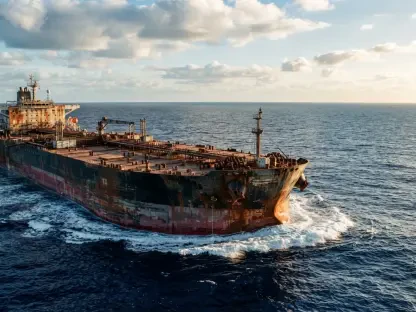
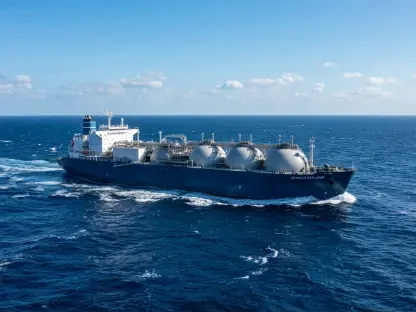
Over one hundred tankers are currently immobilized within the Persian Gulf, forming a massive cluster that will take at least two weeks just to physically disperse. This backlog represents a staggering volume of crude oil and liquefied natural gas that has been trapped behind a wall of geopolitical tension, creating a ripple effect that touches every corner of the global economy. Clearing this queue is not as simple as opening a gate; it requires a meticulous choreography of tugboats, pilots, and port coordinators to ensure that the influx of traffic does not lead to collisions or groundings in the restricted channels. Port facilities in the United Arab Emirates and Saudi Arabia are working around the clock to manage the surge, but the sheer density of vessels means that even the most efficient operations will face significant delays during this initial phase. Every hour a tanker sits idle adds thousands of dollars in operational costs, which eventually translates to higher energy prices.
Beyond the immediate mechanical challenge of moving steel hulls through water, the recovery of the global supply chain faces a much slower and more complex administrative hurdle. Months of rerouting ships around the Cape of Good Hope have left crew schedules, vessel maintenance cycles, and container rotations in a state of total disarray. Reintegrating the Strait of Hormuz into these fractured schedules involves renegotiating thousands of contracts and realigning the logistics of refineries that have spent the last quarter sourcing energy from more expensive, distant alternatives. The restoration of full efficiency is hindered by the fact that many ships were redirected to other regions mid-voyage, leaving them out of position to capitalize on the reopened route. This logistical inertia ensures that while the waterway might be technically open, the economic friction of the previous four months will persist well into the upcoming season as companies struggle to reset their global distribution networks to previous levels.
Operational Protocols: Restoring Transparency and Priority
Restoring the traditional flow of ninety to one hundred and ten daily transits is significantly hindered by the lingering effects of dark shipping practices adopted during the peak of the conflict. In an effort to evade detection and potential targeting, a substantial portion of the merchant fleet deactivated their Automatic Identification Systems, making it nearly impossible for regional traffic controllers to maintain an accurate picture of maritime density. Before the Strait can return to peak capacity, a transparent framework for navigation must be re-established to ensure that every vessel is identifiable and following prescribed lanes. This requires an unprecedented level of real-time communication between Washington and Tehran to verify that maritime monitors are not mistaking commercial movements for military maneuvers. Until full visibility is restored, authorities will likely enforce a reduced transit speed and wider spacing between ships to mitigate the risk of accidents in the crowded and sensitive waterway.
Because the backlog of cargo is so extensive, authorities have been forced to implement strict prioritization protocols that effectively determine which sectors of the global economy recover first. Energy commodities, specifically crude oil and liquefied natural gas, are being given preferential transit windows to stabilize volatile global markets and prevent a secondary energy crisis in import-dependent nations. While this prioritization is necessary for macroeconomic stability, it leaves container ships and bulk carriers carrying retail goods and raw materials at the back of the line. Regional manufacturing hubs are already feeling the strain, as delayed shipments of components lead to production halts and rising costs for consumers across Europe and Asia. The decision to prioritize energy over other goods is a pragmatic one, but it highlights the difficult trade-offs that must be made when a primary artery of global trade has been severed for an extended period, requiring careful management.
Risk Mitigation: Security Certifications and Insurance Barriers
The maritime insurance industry represents another significant bottleneck in the reopening process, as underwriters are demanding empirical proof of safety before they reinstate standard hull and machinery policies. Peace on paper is insufficient for the risk-averse insurance market, which has watched premiums skyrocket to unprecedented levels over the last four months. Insurance providers are looking for sustained evidence of safe transits without interference or harassment before they will consider lowering the war-risk surcharges that have made the route prohibitively expensive for many smaller operators. Until these financial protections are normalized, many ship owners will remain hesitant to commit their most valuable assets to the route, preferring to wait for a more stable security environment. This creates a difficult scenario where volume cannot increase without lower insurance rates, but rates will not drop until there is a proven volume of safe traffic and verifiable stability.
Physical safety concerns, particularly those involving the potential presence of naval mines or unexploded ordnance, further complicate the timeline for a full reopening. If there is even a slight suspicion that residual explosives remain in the water, clearance protocols will restrict all shipping traffic to extremely narrow, verified corridors that are laboriously cleared by specialized naval assets. Comprehensive mine-sweeping operations are inherently slow and can take several weeks to provide the level of certainty required by commercial shipping lines. Many operators have indicated they will avoid the region entirely until these safety zones receive official certification from international maritime bodies. The fear of a single incident involving a naval mine is enough to halt the entire recovery process, forcing authorities to prioritize thoroughness over speed as they scan the seabed for threats that may have been deployed during the height of the hostilities.
Economic Realities: The Path Toward Market Normalization
Economic analysts have already begun the process of adjusting their long-term forecasts, generally predicting a steady decline in global oil prices as Gulf exports return to their full capacity. However, real-world data from the field suggests that the recovery is still in its nascent stages, with major export terminals reporting significantly longer wait times at anchorages compared to pre-conflict norms. This discrepancy between market sentiment and operational reality indicates that while loading operations have resumed at the source, the exit through the Strait remains a significant logistical choke point. The discrepancy is particularly evident in the increased time it takes for tankers to clear customs and security inspections, which have become much more rigorous following the period of instability. As long as these administrative and physical delays persist, the downward pressure on energy prices will be tempered by the high costs of idling vessels and the continued reliance on expensive transit routes.
The successful normalization of the Strait of Hormuz ultimately depended less on diplomatic signatures and more on the technical perseverance of port controllers, mine-clearing teams, and insurance experts. Stakeholders across the maritime industry moved forward with a sense of cautious optimism, acknowledging that the massive maritime traffic jam served as a lingering reminder of the profound economic toll that conflict can take on global trade. Decision-makers shifted their focus toward building more resilient maritime infrastructure, including the deployment of enhanced satellite tracking systems and the establishment of permanent joint-monitoring centers to prevent future disruptions. By prioritizing the restoration of security protocols and financial stability over the desire for an immediate return to high-volume traffic, the industry ensured that the reopening was sustainable. These proactive measures laid the groundwork for a more stable regional economy and provided a template for future de-escalation efforts.