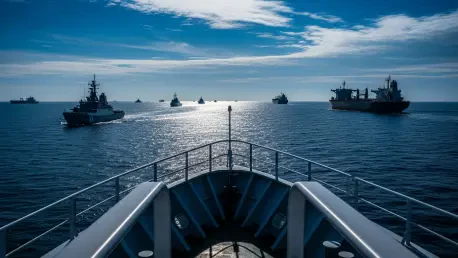

A Strategic Chokepoint Under Siege: The 2026 Maritime Crisis
The sudden and official closure of the Strait of Hormuz represents a seismic shift in global energy dynamics that threatens to destabilize even the most robust national economies. In June 2026, the global energy market entered a period of extreme volatility as Iran finalized its decision to restrict access to this primary maritime artery. This waterway facilitates the transit of approximately 20% of the world’s liquid energy supplies, making any disruption a matter of critical international concern. The move occurred during a period of delicate mediation, casting a shadow over efforts to establish a lasting peace. This analysis explores the friction between high-level diplomatic attempts and the tactical reality observed on the water.
The Road to Blockade: Conflict and the February War
The current crisis originated in the significant regional conflict that erupted in February. This war fundamentally altered the geopolitical landscape, turning the Persian Gulf into a primary theater of active naval engagement. Historically, the region experienced periodic tensions, yet the recent escalation introduced a more aggressive Iranian strategy aimed at securing broad political concessions. By throttling the global energy supply, Tehran sought to exert pressure on international actors to release frozen assets and halt specific military operations. This historical context illustrates why previous agreements, including a 14-point memorandum of understanding, failed to yield the intended stability for commercial shipping.
The Complex Reality: A Modern Naval Blockade
Dissecting the Gap: Official Rhetoric and Maritime Data
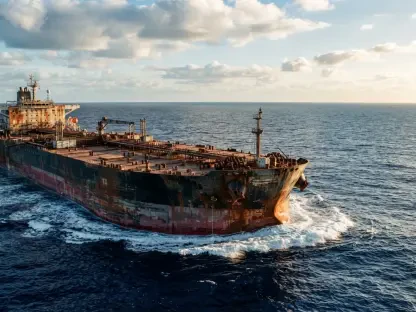
Although official statements from Tehran suggested a total cessation of maritime traffic, tracking data revealed a more complicated environment. Intelligence from organizations like Windward and Lloyd’s List showed that while daily traffic dropped from 100 vessels to fewer than 20, movement did not stop entirely. Most remaining activity involved ships with direct ties to Iranian interests or those willing to engage in high-risk navigation. A significant increase in “dark” shipping, characterized by the deactivation of Automatic Identification System transponders, became the standard for those attempting to bypass the restrictions, creating a clandestine maritime economy.
The Lebanese Connection: Role of Regional Proxies
The maritime standoff remained deeply intertwined with the ongoing violence in Lebanon. Iranian authorities justified the closure as a response to military strikes against Hezbollah, framing the blockade as a defensive measure against violations of existing ceasefires. This linkage showed how regional proxy wars could dictate the flow of global trade. By utilizing the Strait as a lever, Iran pressured the international community to influence Israeli military decisions. This interconnectedness suggests that maritime security cannot be achieved without addressing the broader security architecture of the Levant.
Divergent Narratives: Washington and Tehran
Geopolitical uncertainty increased due to the conflicting messages originating from the United States government. While Vice President JD Vance pursued a 60-day peace plan during negotiations in Switzerland, other executive rhetoric favored military deterrence. These divergent paths—one favoring economic incentives and the other threatening kinetic action—left the shipping industry in a state of paralysis. The U.S. military maintained that the Strait was an international waterway, yet the practical risk of transit remained too high for most commercial insurers to cover.
The Future of Global Energy Transit and Navigational Security
The evolution of maritime security will likely move toward more sophisticated surveillance and decentralized transit routes. The reliance on the Strait of Hormuz as a singular chokepoint encouraged investment in alternative infrastructure, such as pipelines and deep-water ports outside the Persian Gulf. Technological advancements in satellite imagery and artificial intelligence now allow for the tracking of “dark” vessels, reducing the effectiveness of traditional blockade tactics. Furthermore, the 60-day peace framework could establish a new norm for toll-free navigation and economic cooperation if it survives the current period of instability.
Navigating Volatility: Strategic Recommendations for Global Trade
For global logistics and energy firms, the current environment necessitates a fundamental shift in risk management strategies. Organizations should prioritize the integration of real-time geopolitical intelligence into their supply chain operations to anticipate disruptions before they manifest. Diversifying energy procurement and exploring alternative corridors can reduce the impact of regional chokepoints. Moreover, investing in collaborative information-sharing networks among maritime stakeholders can enhance collective security and provide a clearer picture of the operational reality in contested waters.
A Fragile Balance: The Stakes of Continued Escalation
The standoff in the Strait of Hormuz provided a stark reminder of how regional conflicts impacted global prosperity. While the 14-point memorandum offered a path toward normalization, the persistent use of proxy strikes and naval threats hindered progress. The situation underscored the necessity for robust diplomatic frameworks that could withstand the pressures of local hostilities. Global markets remained sensitive to every development in the Swiss negotiations, proving that the stability of the energy sector was inseparable from international security. The crisis ultimately highlighted the enduring tension between sovereign claims and the necessity of open seas.