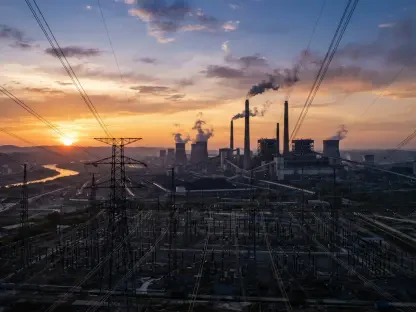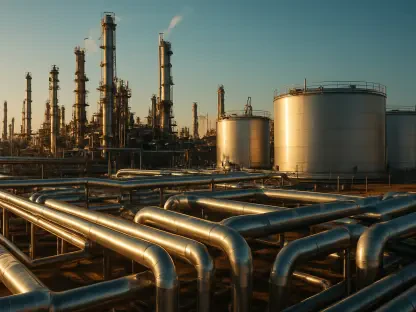

The global energy landscape is currently grappling with a refinery infrastructure that appears dangerously overextended as military and political strife tear through vital trade arteries. The International Energy Agency characterizes this system as a network stretched to its limit, facing unprecedented pressure from the convergence of military conflicts and fragile energy corridors. As the global economy navigates these turbulent waters, the focus shifts to how ongoing wars and diplomatic stalemates are fundamentally reshaping the processing and distribution of crude oil.
The Fragile State of Global Energy Security
Recent assessments indicate that the infrastructure responsible for fueling international markets is more precarious than it has been in several decades. The current crisis involves a volatile mix of regional instability and logistical vulnerabilities that threaten the steady flow of refined products. By analyzing shifted projections and the looming threat of demand destruction, one can see how the energy landscape is being forced into a defensive posture.
Contextualizing the Modern Refining Crisis
Historically, the oil market operated on predictable flows from major hubs, but recent years have seen a total erosion of global refining buffers. Shocks such as the abrupt decoupling from Russian energy following the invasion of Ukraine transformed industrial processes into frontline geopolitical tools. This realignment means the current strain is a structural shift in how energy is processed globally, rather than a mere temporary price fluctuation.
The Intersection of Conflict and Supply Volatility
Geopolitical Impasse: The Middle Eastern Supply Delay
A critical factor in the current market tightening is the deferral of a full recovery in oil flows from the Middle East until at least 2027. Diplomatic stalemates between major powers have created a persistent gap that other producers struggle to fill. Consequently, global supply is projected to plummet by 5.7 million barrels per day this year, representing a 6% decline that reflects the deep scars left by regional instability.
Choke Points: The High Cost of Maritime Risk
Frequent attacks on tankers in the Strait of Hormuz and the Bab el-Mandeb have disrupted traditional trade routes, forcing ships onto expensive paths around Africa. This logistical strain keeps millions of barrels on the water for longer periods, reducing immediate availability. Such maritime risks have kept benchmarks like Brent and West Texas Intermediate near $100, even amidst broader economic uncertainty.
Demand Destruction: The Economic Fallout of High Prices
Global demand is expected to drop by 2.5 million barrels per day this year due to the phenomenon of demand destruction. High prices for diesel and gasoline are stifling growth in emerging markets, creating a cycle where energy poverty limits the industrial activity needed to fund infrastructure. This shift highlights the hidden economic costs of a strained refining system.
Emerging Trends: The Future of Energy Resilience
Refining is shifting toward friend-shoring, where nations seek to build capacity in politically aligned regions rather than prioritizing cost-effectiveness. The industry is also integrating digital monitoring to navigate volatile trade routes and responding to regulatory shifts that favor national security. Unless a diplomatic breakthrough occurs, the global economy must prepare for a new normal of thinner energy buffers and heightened volatility.
Strategic Responses: Market Tightening Solutions
Businesses must prioritize energy auditing and explore long-term contracts to hedge against price swings. Policymakers are encouraged to invest in strategic petroleum reserves and domestic refining to provide a cushion against shocks. This requires a transition from just-in-time supply chain management toward just-in-case resilience planning to maintain operational stability.
Sustaining Stability: Lessons from an Uncertain World
The global refining system remained the backbone of modern industrial activity despite being under immense pressure from military conflict. Cooperation became essential as diplomatic gridlock threatened to exhaust global energy buffers. Strategic domestic planning provided a necessary path toward security, ensuring that future energy corridors remained resilient against the unpredictable nature of global politics.