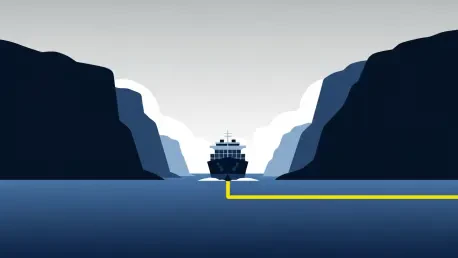

The global energy landscape is currently undergoing its most significant structural shift in years as the International Energy Agency projects a contraction of one million barrels per day. This marks the first annual decline in demand since the pandemic, signaling a departure from the steady growth trajectory many anticipated. Unlike previous cycles driven by economic cooling, this contraction is a direct byproduct of intensifying geopolitical friction and the closure of vital shipping lanes. This analysis explores the immediate causes of the drop, examining how military escalations are redrawing the map of oil consumption.
A Watershed Moment in Global Energy Dynamics
Since the recovery following the global lockdowns, the industry operated under the premise of a managed return to growth, yet the security environment has fundamentally shifted toward systemic geopolitical crises. The current situation with Iran represents a departure from localized skirmishes, as it targets the foundational infrastructure of international trade. These factors illustrate that market normalization is no longer a guaranteed outcome but a variable tied to elusive diplomatic breakthroughs that currently seem out of reach.
Primary Drivers of the Projected Demand Contraction
The Strait of Hormuz: A Bottleneck for Global Supply Chains
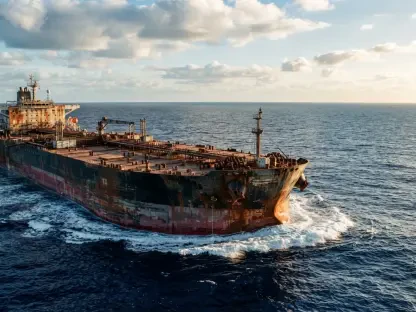
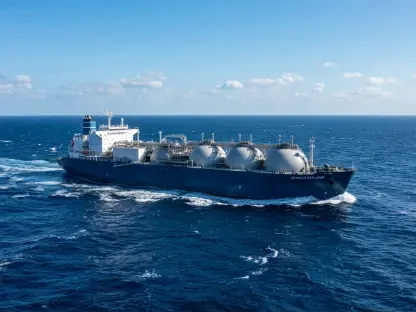
A central component of the projected decline is the physical blockage of the Strait of Hormuz. This closure has created a logistical bottleneck that prevents crude from reaching international markets, causing a forced destruction of demand. When regional refineries are unable to receive raw materials due to transit risks, operations naturally decelerate, leading to a measurable contraction in global consumption. The sheer volume of traffic passing through the Persian Gulf makes any substitute route inefficient and prohibitively expensive.
Escalating Hostilities: The Impact of Diplomatic Stalemates
Building on physical disruptions is the deteriorating relationship between the United States and Iran. The current forecast relies on an eventual ceasefire, but recent rhetoric from a NATO summit has characterized such peace efforts as defunct. This political volatility discourages producers from maintaining output levels, further cementing the projected demand decline as commercial vessels are increasingly labeled as military targets. This risk-averse environment prevents the market from returning to a state of surplus.
Market Sentiment: Analyzing the Resilience of Crude Futures
Interestingly, crude futures have shown only modest price adjustments despite the severity of the reports, suggesting a disconnect between physical reality and financial speculation. This divergence highlights a common misunderstanding that a decline in demand automatically leads to lower prices, whereas this forced decline is driven specifically by a lack of maritime access. Market participants are essentially betting on a resolution that current diplomatic data does not support, creating a precarious state of balance.
Navigating a Shifting Energy Landscape
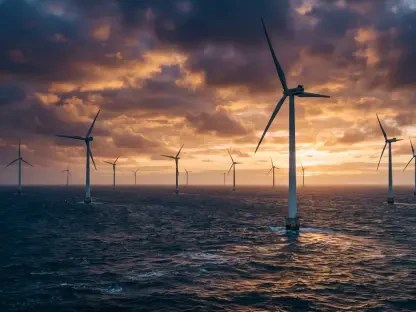
Moving forward, the industry will likely be defined by its ability to adapt to a new era of persistent geopolitical risk. Emerging trends indicate that countries are prioritizing the decentralization of energy sources to avoid the vulnerabilities associated with maritime bottlenecks. This shift may lead to an acceleration in land-based pipeline development and domestic refining capabilities as a hedge against future closures. Technological shifts will also play a role as a prolonged conflict could hasten the transition toward alternative energy.
Strategic Considerations: Recommendations for Market Participants
For organizations in the energy sector, the current forecast serves as a critical signal to re-evaluate risk management strategies. Diversifying supply chains and increasing strategic inventories are essential steps to weather periods of extreme volatility. Participants must also monitor diplomatic signals as closely as technical data, as political statements often carry more weight than interest rate changes. Investing in robust market intelligence and developing contingency plans for refinery operations are now necessary for operational continuity.
Conclusion: A Precarious Path to Market Stability
The projection of a significant contraction in global oil demand showed how quickly geopolitical conflict overrode established economic trends. This shift was largely driven by the closure of the Strait of Hormuz, which created an environment of extreme unpredictability for energy security. Ultimately, the focus shifted toward securing alternative transit routes and diversifying energy portfolios to mitigate regional risks. Organizations that prioritized logistical flexibility and diplomatic awareness were better positioned to manage the disruption. Moving forward, stakeholders should invest in decentralized energy infrastructure to reduce reliance on vulnerable maritime corridors.