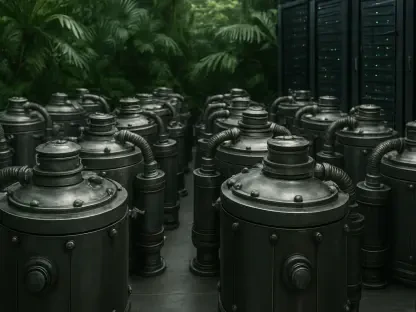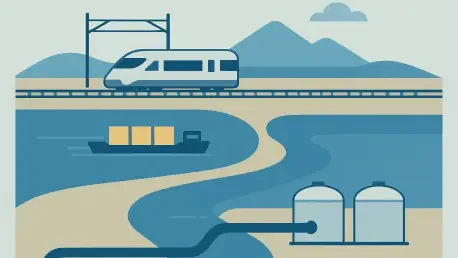

To counter the risks of kinetic warfare, the Ukrainian Ministry of Energy is developing a pilot project for underground fuel storage facilities to complement expanded import routes. This initiative arrives at a time when the necessity for a resilient energy backbone is more critical than ever, shifting the focus from temporary fixes to permanent, hardened infrastructure that can withstand sustained pressure. The current strategy moves beyond simple procurement, aiming instead to weave a complex web of logistical redundancies that utilize the geographical advantages of neighboring Romania. By transforming the border regions into high-throughput energy corridors, Kyiv is not only securing its immediate needs for diesel and gasoline but also laying the groundwork for a modernized energy sector. This transition involves a monumental shift in how resources are moved across Eastern Europe, turning once-quiet border crossings into the lifeblood of a nation’s defense and civilian stability. The integration of rail, river, and subterranean assets marks a new era in regional cooperation.
Strengthening Bilateral Ties: Diplomatic and Strategic Foundations
Diplomatic Engagements: Shaping Long-Term Energy Policy
The ongoing expansion of these vital logistical routes is the direct result of high-level diplomatic engagements that have reshaped the relationship between Kyiv and Bucharest. President Volodymyr Zelenskyy and the Romanian leadership have fostered a partnership that transcends traditional trade, focusing instead on the mutual imperative of regional stability. While the domestic fuel market currently remains stable, the government, led by figures like First Deputy Prime Minister Denys Shmyhal, remains intensely focused on long-term diversification to mitigate future supply chain risks. These bilateral agreements are being implemented at a granular level, with a specific emphasis on increasing the throughput of existing border crossings while simultaneously identifying new opportunities for river-based transport. This diplomatic groundwork has allowed for a rapid scaling of operations, ensuring that the movement of petroleum products is no longer subject to the bureaucratic bottlenecks that previously hindered cross-border energy flows.
This strategic alignment also reflects a broader shift in the geopolitical landscape, where energy security is increasingly viewed through the lens of national sovereignty and collective defense. By securing formal commitments from the Romanian government, Ukraine has effectively integrated its fuel supply needs into the regional infrastructure planning of the European Union. This collaboration is not merely a response to current challenges but a forward-looking strategy designed to create a permanent energy bridge. Analysts noted that the frequency of ministerial-level meetings has tripled since the start of 2026, leading to a faster approval process for infrastructure permits and cross-border safety protocols. This accelerated pace of cooperation is essential for maintaining the momentum of modernization projects that are currently underway. The focus remains on establishing a reliable and predictable flow of resources that can be adjusted in real-time based on the shifting demands of both the military and the civilian economy.
Technical Engineering: Overcoming Gauge Discrepancies and Logistics
A significant hurdle in this burgeoning partnership is the historical technical discrepancy between track gauges, as Romania utilizes the standard European gauge while Ukraine operates on a broad-gauge system. To resolve these inherent bottlenecks, the Romanian railway authority, CFR S.A., has launched substantial modernization projects that address the physical limitations of the network. One of the most critical components of this effort is the comprehensive electrification of the Dărmănești–Vicșani–Border line, which has seen continuous upgrades throughout 2026. Funded largely by the “EU-Ukraine Solidarity Lanes” initiative, these multi-million dollar investments aim to streamline transhipment operations and significantly increase the transit capacity for fuel tankers. By modernizing these legacy systems, the two nations are creating a seamless transition point for energy resources, reducing the time required for fuel to move from European refineries to the front lines of the Ukrainian energy crisis.
The electrification project is complemented by the installation of automated switching systems and the expansion of terminal yards to accommodate longer freight trains. These technical enhancements are vital for reducing the operational costs associated with manual transhipment, which has historically been a slow and labor-intensive process. As the 2026 to 2028 modernization phase progresses, engineers are focusing on the integration of smart logistics software to monitor the flow of fuel tankers in real-time. This level of technical oversight allows for more efficient scheduling and minimizes the risk of congestion at critical border junctions. Furthermore, the upgrades are being designed to handle a wider variety of petroleum products beyond just diesel, including aviation fuel and specialized lubricants. This versatility ensures that the infrastructure remains relevant for a range of energy needs, providing a comprehensive solution to the logistical challenges that have traditionally plagued the region’s rail networks.
Optimizing High-Capacity Transit Routes: Rail and River
The Vicșani-Vadu Siret Route: A Cornerstone of Logistics
The Vicșani–Vadu Siret corridor serves as the primary artery for Ukraine’s integration into the broader European logistical framework, acting as a high-volume gateway for energy imports. Beyond simple rail electrification, the project involves the refurbishment of aging bridges and the optimization of transhipment areas in Dornești to reduce the time required for technical border procedures. For rail operators, these enhancements represent a fundamental shift toward higher efficiency, allowing for the movement of much larger volumes of petroleum products during periods of peak demand. The strategic focus on this specific route is driven by its ability to connect major European refining centers directly to the heart of the Ukrainian rail network. By removing the physical and technical barriers at this crossing, the two nations have created a reliable pipeline on wheels that can operate continuously, regardless of the seasonal weather conditions that often affect other forms of transport.
In addition to physical infrastructure, the Vicșani–Vadu Siret route has benefited from a streamlined customs protocol that allows for “green channel” processing of energy shipments. This administrative efficiency is just as important as the rail upgrades, as it prevents the accumulation of idle rail cars that can clog the system. Throughout 2026, the volume of fuel passing through this corridor has increased by nearly forty percent, a testament to the effectiveness of the recent modernization efforts. The corridor is also being used as a testing ground for new safety technologies, including advanced fire suppression systems and high-security monitoring equipment designed to protect valuable energy assets. As this route becomes more established, it is expected to serve as the primary model for other border crossings, demonstrating how technical and administrative integration can work in tandem to secure national energy supplies. The success of this corridor is a vital component of the broader regional security strategy.
The Galați Port Hub: Multimodal Alternatives and Redundancy
A secondary but increasingly critical route involves the city of Galați, which offers a unique logistical advantage through its broad-gauge rail link with the neighboring Republic of Moldova. This specific line allows freight to reach the Danube port area without the need for immediate transhipment, providing a vital “Plan B” for fuel imports if rail corridors are compromised. The reopening of a dormant broad-gauge line has transformed Galați into a multimodal hub where fuel can be transferred directly from rail to river vessels, adding a necessary layer of redundancy to Ukraine’s energy security. This river-based transit is particularly important for reaching southern regions where rail access may be more limited or vulnerable to disruption. By utilizing the Danube as a natural highway, Ukraine can diversify its transport modes, making it much more difficult for external actors to sever the nation’s energy supply lines through targeted strikes on specific infrastructure.
The transformation of Galați into a modern energy hub has also attracted significant private investment, as companies look to capitalize on the port’s growing importance in the regional economy. New storage tanks and loading facilities are being constructed to handle the increased volume of fuel, while the port authority is working to deepen the navigation channels to accommodate larger barges. This multimodal approach ensures that the energy supply chain is not overly dependent on any single method of transport, providing the flexibility needed to respond to changing circumstances. During 2026, the use of river-based fuel transport has become a standardized part of the logistics mix, offering a cost-effective alternative to long-distance rail hauling. The integration of Galați into the national energy strategy highlights the importance of leveraging existing geographic assets to build a more resilient and adaptable supply network. This foresight is helping to insulate the domestic market from the volatility of international energy prices.
Building Logistical Fortifications: Storage and Future Security
Subterranean Resilience: Integrating Underground Storage Systems
Ukraine’s Ministry of Energy is incorporating these expanded Romanian routes into a comprehensive logistical resilience framework that includes pilot projects for underground fuel storage. By combining secure domestic reserves with modernized import corridors, the government aims to insulate the petroleum market from the immediate shocks of warfare. This holistic approach ensures that fuel security is not dependent on a single transit point, but rather a network of high-capacity, permanent corridors supported by international investment. These underground facilities are designed to be virtually impenetrable, providing a safe haven for critical fuel stocks that can be tapped during emergencies. The integration of these storage sites with the rail and river routes coming from Romania creates a closed-loop system where fuel can be imported, stored, and distributed with minimal exposure to surface-level threats. This strategy represents a significant evolution in energy defense planning.
The development of these storage projects is also linked to the modernization of the domestic pipeline network, which connects the underground sites to key industrial and military hubs. Throughout 2026, engineers have been working to ensure that the pressure and flow rates of these pipelines are compatible with the high-volume deliveries arriving from the Romanian border. This technical synergy is essential for maintaining a steady supply of fuel across the country, even when traditional transport routes are under pressure. Furthermore, the storage facilities are being equipped with advanced environmental monitoring systems to prevent leaks and ensure the long-term integrity of the fuel stocks. By investing in both transit and storage, Ukraine is creating a multi-tiered defense against energy shortages. This strategy not only protects the nation’s current energy needs but also provides a stable foundation for the eventual reconstruction of the economy, ensuring that fuel remains available for the massive logistics requirements of post-war rebuilding.
Regional Integration: Sustaining Energy Flow into the Future
The ongoing investments into 2027 and 2028 signal a permanent shift toward more integrated regional infrastructure, featuring increased automation and better-maintained transit links. Both nations are committed to transforming Romania into a primary gateway for Ukraine’s energy needs, addressing technical limitations through modernization and financial support from the European Union. These efforts represent a long-term commitment to regional security, ensuring that the flow of critical energy resources remains uninterrupted regardless of external pressures. The focus is now shifting toward the long-term sustainability of these corridors, with an emphasis on making them permanent fixtures of the European energy landscape. This integration is expected to facilitate not only the import of fuel but also the export of Ukrainian energy products in the future, creating a more balanced and mutually beneficial relationship between the two neighboring states.
The successful implementation of these projects provided a definitive answer to the energy security challenges faced by the region, proving that infrastructure is a vital component of national defense. Moving forward, the focus must shift toward the full digitization of these corridors and the expansion of private sector involvement to ensure long-term commercial viability. Authorities emphasized that maintaining this momentum requires a sustained commitment to maintenance and the proactive identification of emerging logistical threats. By building on the lessons learned during this period of transformation, the energy corridor between Romania and Ukraine served as a model for other nations seeking to decouple their resource dependencies from volatile geopolitical actors. The focus remained on hardening these links against cyberattacks and expanding the role of renewable energy transit in the coming years. This integrated approach ensured that the energy landscape was no longer a point of vulnerability but a source of strength for the entire region.