
The average selling price for Stanmore’s coal increased by US$21 per tonne, which proved essential for offsetting the impact of higher global diesel prices. This revenue boost arrived at a critical juncture for the company as the broader mining industry grappled with an inflationary environment that drove up the costs of essential inputs. High demand for metallurgical coal in the steelmaking sector, particularly in growing Asian markets, provided a robust price floor that helped maintain healthy margins. Despite these favorable market conditions, the operational landscape remained complex due to fluctuating currency values and increasing geopolitical tensions affecting trade routes. Management emphasized the importance of maintaining a lean cost structure to ensure that the gains from higher prices were not entirely consumed by rising overheads. By focusing on high-quality coking coal, the organization sought to strengthen its position as a reliable supplier in a market where quality is vital.
Strategic Asset Management: Maximizing Efficiency
Integration of Tier-One Assets
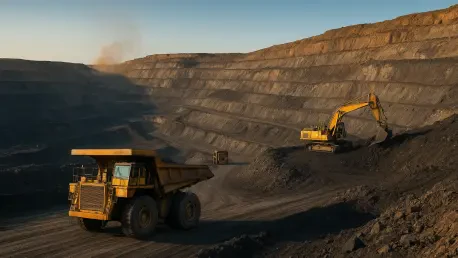
The successful integration of world-class assets in the Bowen Basin has been a cornerstone of the company’s recent operational strategy. By focusing on high-yield mines such as South Walker Creek and Poitrel, the organization achieved significant economies of scale that allowed for more effective resource distribution across its portfolio. This strategic consolidation facilitated a streamlined approach to mining operations, where shared infrastructure and centralized procurement systems reduced redundant expenditures. The ability to ramp up production volumes at these key sites helped mitigate the unit cost increases that typically accompany inflationary cycles in the energy sector. Furthermore, the focus on metallurgical coal ensured that production levels remained closely aligned with the long-term capital expenditure plans of global industrial giants. Maintaining high utilization rates of machinery was vital to protecting the bottom line from the volatility of fuel prices.
Technological Innovations: Optimizing Logistics
Enhancing logistics capabilities became a primary focus for the company as it sought to navigate the bottlenecks often found in the Australian coal supply chain. The implementation of advanced predictive analytics for rail and port schedules allowed for a more synchronized movement of coal from the mine gate to the final vessel. This data-driven approach significantly reduced demurrage costs and improved the reliability of delivery timelines for international customers. On-site, the introduction of automated monitoring systems for fleet management provided real-time insights into fuel consumption and equipment wear, enabling more proactive maintenance schedules. Such technological interventions were necessary to combat the rising expenses associated with traditional mining methods and to improve overall labor productivity in a tight market. By investing in digital infrastructure, the organization not only optimized its current workflows but also created a scalable foundation for future expansions.
Financial Resilience: Building Long-Term Value
Capital Allocation: Debt and Dividends
Strong operational cash flows enabled a disciplined approach to capital allocation, characterized by a dual focus on deleveraging the balance sheet and rewarding investors. The rapid reduction of debt incurred during previous acquisition phases significantly improved the company’s credit profile and lowered interest expenses, providing greater financial flexibility in a high-interest-rate environment. This conservative fiscal management was balanced with a commitment to returning value to shareholders through consistent dividend payments, reflecting confidence in the sustained profitability of the core business. Market analysts noted that the ability to generate excess cash while funding necessary capital projects placed the firm in a superior position compared to its peers. The focus remained on maintaining a strong cash reserve to buffer against potential market downturns or unexpected regulatory changes. Such financial resilience is essential for navigating the cyclical nature of the commodity markets while continuing growth.
Future Directions: Sustainable Extraction
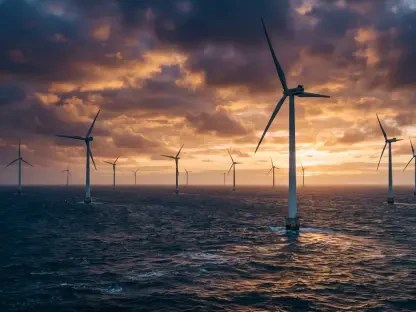
The organization ultimately recognized that long-term viability depended on its ability to adapt to changing environmental standards. Stakeholders emphasized that diversifying the energy mix and investing in carbon abatement technologies were the next logical steps for a company rooted in extraction. Leaders moved to explore partnerships in renewable energy projects to power remote mining operations, which offered a pathway to reducing the reliance on volatile diesel markets. They also prioritized the rehabilitation of former mining sites and the implementation of more efficient water management systems to minimize the ecological footprint. By aligning business objectives with broader sustainability goals, the company successfully prepared itself for a future where environmental stewardship is critical. These proactive measures ensured that the business remained competitive and socially responsible, providing a clear roadmap for other industry players. Strategic investments in innovation paved the way for a more resilient model.