
India stands at a pivotal crossroads where the traditional reliance on expensive crude oil imports is being challenged by a home-grown, decentralized energy solution known as ethanol dispensing units. These so-called ethanol ATMs represent more than just a refueling convenience; they symbolize a fundamental shift toward energy independence and rural economic empowerment. As the nation aggressively pursues its blending targets and moves toward widespread E100 availability, the physical infrastructure of these automated dispensers has become the literal face of a green revolution. The integration of high-purity ethanol into the mainstream transportation sector requires a logistical precision that traditional petrol pumps were never designed to handle, necessitating a specialized network of smart dispensers. By prioritizing the localized distribution of biofuel, India is effectively insulating its economy from the volatile fluctuations of the global oil market while simultaneously addressing the urgent need for carbon reduction in its massive urban centers. This strategy leverages domestic agricultural surplus to create a sustainable cycle of energy production that begins in the fields and ends in the fuel tanks of a new generation of vehicles.
Technical Infrastructure and Delivery Systems
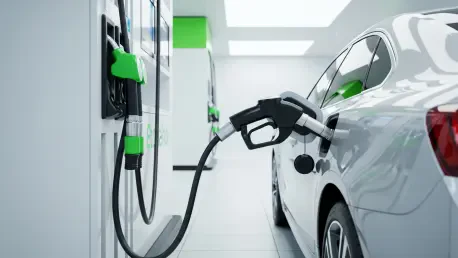
The deployment of ethanol ATMs has accelerated significantly as oil marketing companies collaborate with automotive manufacturers to harmonize the rollout of infrastructure with the availability of flex-fuel vehicles. These dispensing units are equipped with advanced sensors and filtration systems designed to handle the corrosive properties of high-concentration ethanol, ensuring that the fuel remains free from water contamination and particulate matter. Unlike traditional gas stations that require massive underground storage and complex piping, modular ethanol ATMs can be installed with a smaller footprint, making them ideal for both congested metropolitan areas and remote agricultural corridors. This flexibility allows for a rapid scaling of the network, which is essential for convincing consumers that switching to an ethanol-powered vehicle will not leave them stranded without refueling options. Furthermore, the digital integration of these ATMs allows for real-time monitoring of fuel quality and supply levels, creating a transparent ecosystem that fosters trust among early adopters.
Policy frameworks have evolved to incentivize the production of vehicles capable of running on various ethanol blends, ranging from 20 percent to 100 percent anhydrous ethanol. Major automakers have responded by introducing specialized engines that utilize localized heating systems and corrosion-resistant alloys to mitigate the specific mechanical challenges posed by ethanol’s chemical composition. The success of this transition hinges on the consistent availability of fuel, which is where the strategic placement of ethanol ATMs becomes a critical factor in the broader industrial strategy. By creating a predictable demand through a reliable dispensing network, the government has encouraged massive investment in biorefineries that convert surplus grains and sugarcane into fuel. This symbiotic relationship between the automotive sector and the fuel industry is creating a closed-loop system where the energy consumed in the city is directly linked to the output of the countryside. Consequently, the reliance on foreign energy is decreasing as domestic production capacity grows to meet the needs of a modern population.
Economic Resilience and Sustainable Growth
The economic implications of a robust ethanol ATM network extend far beyond the refueling nozzle, directly impacting the livelihoods of millions of farmers across the sugar and grain belts. By converting agricultural waste and surplus crops into a high-value energy commodity, the nation is effectively creating a floor price for farm products that was previously dependent on fluctuating global food markets. This shift in the value chain ensures that a significant portion of the capital spent on transportation remains within the domestic economy, circulating through rural communities rather than flowing to oil-producing nations. The reduction in the trade deficit, achieved by displacing billions of dollars in oil imports, provides the fiscal space necessary for further infrastructure development and social programs. Moreover, the decentralized nature of ethanol production and distribution through localized ATMs minimizes the logistical costs and carbon emissions associated with transporting fuel over vast distances. This approach not only enhances energy security but also builds a more resilient economic framework for the future.
The successful pilot programs and the subsequent nationwide expansion of ethanol dispensing units demonstrated that a transition to biofuels was both technically feasible and economically advantageous. Decision-makers identified that the primary barrier to adoption was not the technology itself, but rather the availability of convenient refueling points, which led to the prioritized rollout of these automated systems. Moving forward, the focus shifted toward optimizing the feedstock supply chain to ensure that ethanol production did not compete with food security, utilizing second-generation biofuels derived from non-edible agricultural residues. Stakeholders in the energy and automotive industries collaborated to standardize dispensing protocols, ensuring that the user experience at an ethanol ATM remained as seamless as that of a traditional station. The integration of carbon credit tracking into the dispensing software allowed vehicle owners to quantify their environmental impact in real-time, further incentivizing the shift away from fossil fuels. Ultimately, the adoption of this model provided a blueprint for other nations.