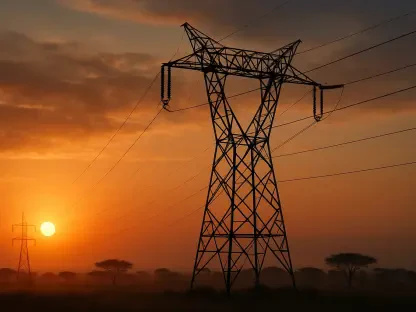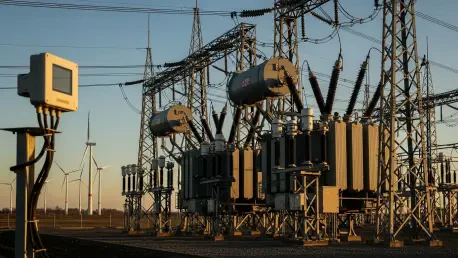

The European energy landscape is currently navigating a period of profound uncertainty as record-breaking heatwaves and structural grid weaknesses have combined to drive wholesale power prices into a state of extreme volatility. This sudden escalation in costs is not merely a seasonal anomaly but rather a systemic disruption that exposes the delicate balance between environmental sustainability and regional energy security. As the continent enters the peak of its summer cooling cycle, the convergence of meteorological extremes and infrastructure limitations has created a complex challenge for both regulators and utility providers.
Anatomy of the European Power Grid: Stakeholders, Systems, and Synergy
The European electricity network functions as a sophisticated web of interconnected national systems where cross-border flows serve as a vital mechanism for balancing regional supply and demand. Central to this synergy is the historical role of the French nuclear fleet, which often acts as the primary baseload provider for the continent, exporting surplus energy to neighbors like Germany and Italy. However, the efficacy of this pan-European network depends heavily on the “merit order” pricing model, which ensures that the cheapest energy sources are utilized first, though the final market price is frequently dictated by the most expensive marginal source.
Regulatory oversight from entities like the London Stock Exchange Group (LSEG) provides essential price transparency, yet the physical reality of the grid is increasingly managed by state-owned giants such as EDF. These stakeholders must balance the integration of intermittent renewable energy with the need for a stable, high-capacity baseload. While smart grid technologies have improved the ability to manage decentralized inputs, the sheer scale of the current demand surge has tested the limits of existing cross-border infrastructure, revealing bottlenecks in the transmission of power from low-cost areas to high-demand urban centers.
Tracking the Volatility: Emerging Trends and Empirical Market Data
Atmospheric Shifts and the Evolution of Peak Energy Consumption Patterns
A significant driver of the current market instability is the emergence of stagnant high-pressure systems that have become more frequent in recent meteorological cycles. These weather patterns create a dual threat by simultaneously trapping heat at the surface and reducing the wind velocity necessary for offshore and inland turbines. Consequently, residential and industrial consumers have increased their reliance on cooling systems, driving peak demand to levels that were previously only seen during the coldest winter months. This shift toward a summer-peaking demand profile represents a fundamental change in how European utilities must forecast their seasonal capacity.
Performance Indicators and Financial Forecasts for the Eurozone Energy Sector
Recent data indicates a sharp increase in price volatility, with day-ahead markets in France and Germany recording spikes exceeding 20% in the current month. These fluctuations are closely tied to the rising cost of gas-fired generation, which has become the necessary substitute for curtailed low-carbon sources. Financial analysts project that as long as thermal conditions remain extreme, the reliance on expensive natural gas will persist, keeping wholesale prices elevated. Current modeling suggests that while short-term dips may occur, the broader trend for the remainder of the year points toward continued price instability as infrastructure struggles to keep pace with demand.
The Pincer Movement: Overcoming Concurrent Failures in Nuclear and Wind Assets
The European energy sector is currently caught in a “pincer movement” where its two primary low-carbon pillars are failing simultaneously. In France, river warming events have forced nuclear reactors to reduce output because the discharged cooling water would otherwise exceed ecological safety temperatures. This thermal constraint has effectively removed significant gigawatt capacity from the grid during periods of maximum need. At the same time, the “wind drought” across the Northern Sea has left Germany with a massive shortfall in renewable output, forcing a rapid and costly pivot back to fossil fuel alternatives.
Compliance and Geopolitics: Navigating Environmental Standards and Supply Security
Strict environmental compliance regarding water temperatures has created an unintended conflict between ecological protection and grid reliability. While these regulations are essential for preserving river biodiversity, they limit the operational flexibility of nuclear assets during heatwaves. Furthermore, geopolitical tensions affecting supply routes, particularly in the Strait of Hormuz, have introduced additional risk premiums to natural gas pricing. This geopolitical layer ensures that any domestic energy shortfall in Europe is immediately exacerbated by the high cost of imported fuels, leaving the region vulnerable to external market shocks.
The Road to Resilience: Innovation, Decentralization, and Future Market Disruptors
Developing a more resilient energy framework requires the rapid adoption of long-duration battery storage and green hydrogen to bridge the gap during periods of low renewable output. Decentralized microgrids offer a promising solution by allowing local communities to manage their own energy needs, thereby reducing the pressure on the central transmission network. Additionally, advanced thermal management technologies for nuclear reactors could allow these plants to operate more efficiently during heatwaves, mitigating the need for curtailment and providing a more reliable baseload regardless of ambient temperatures.
Synthesis of the Crisis: Strategic Recommendations for Long-Term Energy Stability
The recent instability in the European energy sector proved that the transition toward a low-carbon future requires more than just adding renewable capacity. Industry leaders concluded that grid flexibility and enhanced storage capabilities were the most critical missing components in the current infrastructure. Policymakers recognized that integrating environmental standards with emergency operational protocols was necessary to prevent mandatory shutdowns during peak demand. Investment strategies shifted toward diversifying energy assets and hardening existing facilities against extreme thermal events to ensure that the “perfect storm” of weather and regulation would not repeat its destabilizing effects in future cycles.