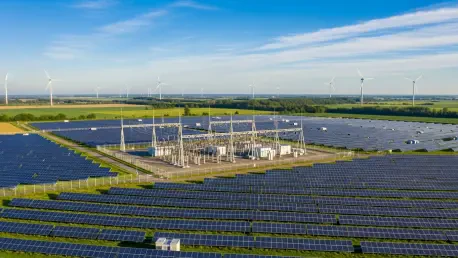

The sudden acceleration of utility-scale solar integration across India represents a fundamental shift in how state-owned enterprises manage the nation’s rising electricity demands while adhering to strict environmental mandates. This transition is exemplified by NTPC Limited, which recently achieved a major milestone by commencing commercial operations for a 100 MW portion of its 176 MW solar photovoltaic project located in Ramagundam, Telangana. As of May 2, 2026, this strategic deployment has bolstered the group’s total installed capacity to 89,805 MW, with commercial capacity reaching 88,725 MW. Such growth is not merely a corporate achievement but a critical component of a broader roadmap aiming for a 100 GW total capacity by the end of the 2026-27 fiscal year. By focusing on high-efficiency photovoltaic systems, the company effectively bridges the gap between traditional thermal power dominance and a future defined by diverse, low-carbon energy sources. This surge in capacity underscores the operational agility required to navigate the complexities of modernizing an aging national grid infrastructure.
Expanding the Renewable Footprint: Strategic Growth and Portfolio Diversity
Building on this foundation, the company has demonstrated an aggressive pursuit of renewable energy targets by adding 6,615 MW of green capacity throughout the current fiscal year. This expansion strategy involves a diversified approach that moves beyond localized solar parks to include large-scale developments in regions like Khavda, Bhadla, and Kalasar. In addition to these solar installations, the integration of wind power and the acquisition of the Ayana portfolio illustrate a holistic effort to stabilize the grid with various intermittent sources. This portfolio diversity ensures that the utility can meet fluctuating demand patterns across different geographical zones, mitigating the risks associated with weather-dependent generation. Management has prioritized a rapid commissioning schedule, anticipating an additional 2,400 MW from these varied projects in the immediate coming months. This momentum reflects a sophisticated logistical operation capable of deploying complex infrastructure at a record pace.
Regional Impact and Policy Synergy: Driving Telangana’s Sustainable Roadmap
Beyond the scope of corporate expansion, the Ramagundam project served as a vital pillar for regional energy objectives and aligned perfectly with the Telangana Clean and Green Energy Policy of 2025. This policy mandated the state to secure a total of 12,000 MW of renewable capacity by 2030 to satisfy its Renewable Consumption Obligation, a target that required immediate and large-scale private and public sector cooperation. By integrating this new solar capacity, NTPC facilitated a phased procurement strategy that involved competitive bidding for several thousand megawatts through 2027. Moving forward, stakeholders emphasized the importance of investing in battery energy storage systems to complement these solar gains and ensure a stable supply during peak evening hours. Authorities suggested that future developments must focus on localized microgrids and the modernization of transmission lines to prevent energy loss during long-distance transport. These steps ensured that the transition to clean energy remained both economically viable and technically sound.