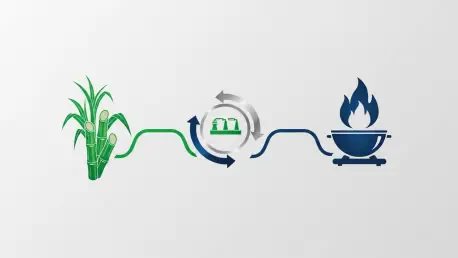

The traditional blue flame of liquefied petroleum gas that has defined Indian kitchens for decades is facing a quiet but powerful challenger as domestic ethanol prepares to take center stage in a bold nationwide energy transformation. While millions of households currently rely on imported pressurized gas for their daily meals, the Ministry of Petroleum and Natural Gas is moving rapidly to formalize a framework that positions ethanol as the primary alternative. This initiative marks a strategic departure from the status quo, aiming to convert the nation’s massive biofuel production capacity into a household energy staple.
This pivot is not merely a technical adjustment but a necessary evolution in how the state manages its energy resources. By redirecting focus toward homegrown biofuels, the government effectively utilizes a production infrastructure that has expanded at an unprecedented rate. Moving away from the long-standing reliance on foreign gas imports allows for a more controlled and predictable domestic energy market. Consequently, the transition is expected to transform the agricultural landscape, turning surplus crops into the heat that powers millions of home stoves.
Swapping Imported Gas for Homegrown Biofuel: India’s Strategic Pivot
India’s energy policy is currently undergoing a massive recalibration to prioritize local autonomy over international markets. The current reliance on liquefied petroleum gas (LPG) has served the population for years, yet it maintains a tether to global supply chains that the government now seeks to loosen. By drafting a comprehensive framework for ethanol-based cooking, officials are paving the way for a decentralized fuel system that supports local industries.
This strategy serves a dual purpose by enhancing energy sovereignty while simultaneously boosting the rural economy. The move toward ethanol ensures that the value generated from energy consumption stays within the country, specifically benefiting the farmers and distilleries that form the backbone of the biofuel sector. As this policy takes shape, it creates a robust internal cycle of production and consumption that reduces the necessity for external energy procurement.
The Fiscal and Geopolitical Risks Driving Energy Diversification
The urgency of this transition is underscored by the inherent volatility of the global energy market, particularly regarding supplies from West Asia. Geopolitical tensions in the Gulf region frequently result in price fluctuations or logistical bottlenecks that directly impact the cost of living for the average citizen. By introducing ethanol as a domestic alternative, the government seeks to insulate the national economy from these external shocks, ensuring that fuel remains affordable regardless of international conflicts.
Moreover, the fiscal burden of subsidizing imported LPG has become a significant concern for national treasury management. Diversifying the cooking fuel mix provides a necessary buffer, allowing the state to allocate resources more efficiently. This pragmatic approach to energy security acknowledges that true stability comes from a diverse portfolio of fuels, where domestic biofuels act as a safeguard against the unpredictability of foreign supply chains and shifting diplomatic climates.
Harnessing a 7-Billion-Liter Surplus to Decarbonize the Kitchen
The growth of the domestic ethanol industry has reached a point where production now exceeds the requirements of industrial sectors and petrol blending programs. With an estimated surplus of 7 billion liters available after meeting existing demands, the country possesses a ready-made solution for household energy needs. This excess fuel represents a massive untapped resource that can be immediately redirected to decarbonize the domestic cooking sector without straining existing supply lines.
Utilizing this surplus also provides a critical vent for the agricultural sector, which often faces challenges related to crop overproduction. By converting excess sugarcane and food grains into cooking fuel, the state creates a steady demand that stabilizes farmer incomes. This integration of food and energy systems not only addresses the surplus issue but also moves the country closer to its long-term environmental targets by replacing fossil-based fuels with renewable, plant-based alternatives.
Economic Dividends and the Projection of Trillion-Rupee Subsidy Savings
The transition to ethanol is expected to yield substantial financial benefits, with projections suggesting a saving of over ₹2 lakh crore in cumulative LPG subsidies by 2050. These massive savings can be redirected toward infrastructure development and social welfare programs, creating a positive ripple effect throughout the economy. Transitioning to a cheaper, locally produced fuel source effectively lightens the government’s fiscal load while providing consumers with a sustainable and cost-effective energy option.
Beyond the domestic horizon, India’s burgeoning ethanol capacity positions the country as a potential regional energy hub. Surplus production offers lucrative export opportunities to neighboring nations such as Bangladesh, Nepal, and Indonesia, all of which are exploring their own biofuel expansions. This shift transforms ethanol from a simple fuel source into a significant diplomatic and economic asset, allowing the nation to lead a regional movement toward renewable energy independence.
Implementing the Infrastructure: Ethanol ATMs and High-Efficiency Stoves
The success of this transition depends heavily on the practical deployment of specialized hardware and distribution networks. State-run oil marketing companies are already focused on the research and development of ethanol-compatible stoves that maximize thermal efficiency while ensuring user safety. These specialized appliances are designed to handle the unique combustion properties of alcohol-based fuels, making the transition seamless for households accustomed to traditional gas burners.
To address the challenge of fuel accessibility, the proposed infrastructure included the installation of ethanol dispensing “ATMs” at various fuel stations across the country. This system allowed consumers to refill portable canisters conveniently, mirroring the ease of the existing LPG cylinder model. The government also provided capital subsidies for equipment, which lowered the entry barrier for lower-income families. These actions successfully bridged the gap between policy goals and everyday utility, establishing a foundation for a more resilient and self-sufficient national energy ecosystem.