
The Philippine archipelago stands as a profound laboratory for the global energy transition, where the raw power of the Pacific monsoons and the unrelenting tropical sun dictate the pulse of a national grid in flux. As the nation moves toward a more sustainable future, the power sector is undergoing a rapid shift to diversify its renewable energy mix. This transition is not merely an environmental goal but a strategic necessity to achieve energy security across thousands of islands. By integrating various green sources, the grid seeks to move away from traditional fossil fuels that have long dominated the regional landscape.
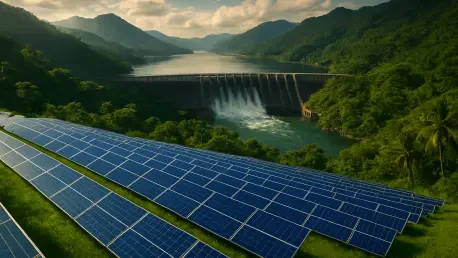
This evolution is inherently tied to the archipelago’s unique climate, which oscillates between a parched dry season and the intense rainfall of the Habagat monsoon. These weather patterns create a cyclical challenge for energy producers who must account for varying natural resource availability. The current energy mix relies heavily on large-scale infrastructure, including the Angat Dam and the CBK Hydroelectric Power Plant Complex. Major market participants such as AboitizPower have recognized this seasonal volatility, leading to a surge in multi-resource investments that bridge the gaps between sun and water.
The Department of Energy remains the primary orchestrator of this complex integration. Its role involves balancing the intermittent nature of solar power with the seasonal fluctuations of hydroelectric reservoirs to maintain a steady supply. This task requires high-level coordination between generation companies and the national grid operator to prevent localized shortages. As the country moves from 2026 toward 2030, the emphasis on regulatory oversight will likely increase to ensure that new projects align with the nation’s long-term resilience goals.
Navigating the Volatility of the Philippine Renewable Energy Landscape
The drive toward a diversified renewable energy mix is a response to the inherent instability of single-source systems. In the Philippines, the energy landscape is shaped by the geographic reality of being a tropical nation, where weather can change within hours. Relying on a variety of technologies allows the grid to remain operational even when specific environmental conditions are unfavorable. This diversification strategy ensures that the economy remains productive throughout the year, regardless of the unpredictable climate shifts that define the region.
Current market dynamics reflect a growing reliance on established hydroelectric assets like the Angat Dam, which serves both power and irrigation needs. However, the aging nature of some infrastructure necessitates constant rehabilitation to maintain efficiency. Facilities like the CBK Hydroelectric Power Plant Complex are essential because they provide both baseload power and storage capabilities. By leveraging these existing assets alongside newer solar installations, the country creates a more robust energy architecture that can withstand seasonal transitions.
The Seasonal Inverse Relationship and Market Dynamics
Atmospheric Drivers and the Fluctuating Output of Solar and Hydro Assets
An inverse relationship defines the productivity of the most common renewable sources in the Philippines. During the dry months from March to May, solar irradiance is at its peak, allowing photovoltaic installations to generate their maximum output. At this same time, however, water levels in hydroelectric reservoirs often drop to critical lows, significantly reducing the available power from dams. This natural trade-off requires the grid to lean heavily on solar during the daytime to preserve precious water for evening peaks.
When the rainy season arrives between September and November, the situation reverses entirely. Solar generation can drop by nearly one-third due to persistent cloud cover and heavy rains, yet this is when hydroelectric dams reach their full potential. Data shows that hydro output typically surges by over 48% during these wet months, effectively stepping in to replace the lost solar capacity. This atmospheric dance ensures a natural continuity of power, provided that the infrastructure is prepared to handle the shift in generation sources.
Consumer behavior also plays a pivotal role in this seasonal dynamic, particularly during the summer. As temperatures rise, the demand for cooling increases dramatically, leading to consumption spikes that coincide with the period of hydroelectric scarcity. This creates a high-pressure environment for the spot market, where prices can fluctuate based on the hourly availability of solar. Managing these spikes requires a sophisticated understanding of how weather patterns influence both the supply side and the demand side of the energy equation.
Growth Projections for Renewable Integration and Storage Capacity
Market data indicates a significant acceleration in the scaling of photovoltaic installations across the country. From 2026 to 2030, the capacity of solar parks is expected to double, providing a vital source of daytime energy for urban centers. Meanwhile, the rehabilitation of hydroelectric plants remains a priority to extend their operational life and improve their responsiveness to grid fluctuations. These two trends are moving in parallel to ensure that the capacity targets for 2040 are not just met, but exceeded.
The adoption of Battery Energy Storage Systems represents the next frontier in grid stabilization. These systems act as a primary tool for managing frequency and voltage, especially when solar output drops suddenly due to passing clouds. By banking excess energy during peak production hours, these batteries allow the grid to maintain a smooth delivery of power. Investment in storage technology is projected to rise as the cost of lithium-ion and alternative battery chemistries continues to fall globally.
Addressing Grid Stability and Intermittency Challenges
Grid operators face the technical challenge of the duck curve, where a surplus of solar during the day is followed by a sharp ramp-up in demand as the sun sets. This transition requires a highly flexible generation fleet that can respond to rapid changes in supply. If the grid relies too heavily on weather-dependent sources without adequate backup, the risk of instability increases. Therefore, managing the hand-off between solar-heavy daytime loads and hydro-heavy evening peaks is a top priority for system engineers.
Extreme weather events, such as El Niño-induced droughts or super typhoons, present additional risks to power availability. Droughts can cripple hydroelectric generation for months, while typhoons can physically damage transmission lines and solar arrays. Developing strategies to mitigate these impacts involves hardening infrastructure and diversifying the locations of energy assets. Upgrading the transmission network is also necessary to move energy from resource-rich rural areas to high-demand centers like Metro Manila without significant losses.
The Regulatory Framework and the Push for Energy Resilience
The legal foundation for the current energy transition remains the Renewable Energy Act of 2008, which has been bolstered by recent policy shifts. One of the most significant changes is the allowance for 100% foreign ownership in the renewable energy sector, which has attracted a wave of international capital. These regulatory updates aim to speed up the development of large-scale projects that were previously hindered by funding constraints. Such policies are essential for building a resilient grid that can adapt to the changing needs of a growing population.
The Wholesale Electricity Spot Market serves as the central clearinghouse for managing price volatility. Because renewable energy has zero fuel cost, it often drives down prices when it is abundant, but seasonal shifts can lead to sudden price hikes. The spot market provides the transparency needed for generators to make informed decisions about when to dispatch their power. Furthermore, the Green Energy Auction Program has successfully incentivized a balanced portfolio by providing long-term contracts to developers of solar, wind, and hydro projects.
Innovation and the Future of a Dispatchable Energy Mix
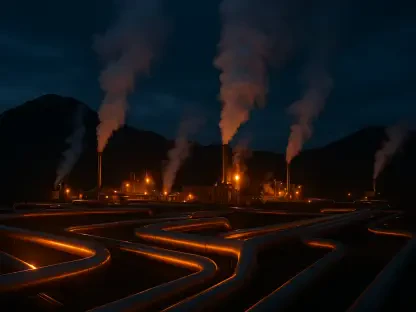
Geothermal energy offers a unique advantage in the Philippines by providing a stable, dispatchable baseload that complements variable sources. Unlike solar or wind, geothermal plants operate continuously, providing a steady foundation for the grid. This allows for a higher penetration of intermittent renewables without compromising overall stability. As technological advancements continue, the potential to expand geothermal capacity further into remote volcanic regions becomes more viable.
Advancements in pumped-storage hydro technology are also transforming how the Luzon grid manages energy. These facilities function as natural, large-scale batteries by moving water between reservoirs at different elevations. During periods of excess solar generation, water is pumped uphill; when demand peaks or the sun sets, the water is released to generate electricity. This method of storage is highly efficient and provides a long-duration solution that chemical batteries cannot yet match on such a massive scale.
Strategic Recommendations for a Resilient Power Architecture
The comprehensive analysis of the national grid showed that a balanced generation portfolio was the only viable path to sustaining long-term economic productivity. Stakeholders concluded that over-reliance on any single renewable source introduced unacceptable risks during seasonal transitions. It was determined that the integration of dispatchable baseload power, such as geothermal, provided the necessary anchor for the fluctuations of solar and hydro. This strategic diversity allowed the system to maintain a continuous supply even during the most severe weather events.
Policymakers prioritized investments in decentralized energy storage and modernized transmission infrastructure to buffer against the volatility of the Habagat. The evaluation highlighted that upgrading the grid was just as important as building new generation plants. Industry leaders observed that a smart grid capable of real-time adjustments significantly reduced the impact of the duck curve on consumer prices. These efforts ensured that the transition to green energy did not come at the expense of national power quality or reliability.
The findings suggested that the Philippines successfully leveraged its geographical challenges to become a regional leader in integrated renewable systems. By fostering a synergy between sun, water, and stable baseload power, the nation established a blueprint for other tropical economies. The final outlook indicated that the combination of progressive regulation and technological innovation secured a resilient energy future. This holistic approach provided the stability required for the nation to prosper through every seasonal cycle while meeting its ambitious sustainability targets.