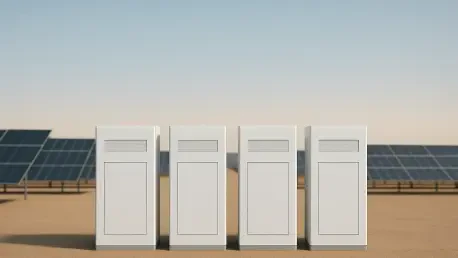

The transformation of high-intensity mining operations into sophisticated green energy hubs has reached a critical tipping point as industrial leaders demand both reliability and environmental accountability in an increasingly competitive market. APA Group has recently finalized a major investment decision that underscores this trend, committing 259 million dollars to the development of the Sybella Creek Solar and Battery Project. This initiative involves the construction of a 72-megawatt solar photovoltaic farm integrated with a 52-megawatt battery energy storage system designed to support the energy-intensive operations of the Ernest Henry copper and gold mine. By linking these new renewable assets with existing infrastructure, the project illustrates a growing sophistication in how industrial power systems are designed and funded in remote locations.
The financial framework of this development is anchored by a significant 20-year energy supply agreement with Evolution Mining, ensuring that the facility has a dedicated industrial user for the foreseeable future. This partnership allows for the integration of the new solar and storage components with APA’s Diamantina Power Facility, creating a stabilized energy stream that addresses the traditional volatility of renewable generation. The project represents a cornerstone of a multi-billion dollar growth strategy, signaling a shift toward hybrid systems as the preferred model for heavy industry. As construction begins this year, the focus remains on delivering a system that provides the firming capacity necessary for continuous mining production while significantly reducing the carbon footprint of the operation.
The Evolution of Renewable Infrastructure in Industrial Power Systems
The global energy landscape is undergoing a fundamental shift as heavy industry transitions from traditional fossil fuel dependence toward integrated renewable solutions. This transformation is particularly significant in the mining and minerals sector, where the demand for high-reliability, 24/7 power meets the urgent need for decarbonization. The emergence of hybrid energy hubs—combining solar, wind, and sophisticated storage with legacy thermal assets—now defines the modern frontier of industrial infrastructure, turning remote geographic challenges into opportunities for technological innovation and regional energy security.
Infrastructure providers are no longer simply building standalone generation plants; they are designing interconnected ecosystems that can handle the specific load profiles of deep-earth mining and smelting. This evolution reflects a deeper understanding of energy resilience, where the goal is to provide a seamless transition between various power sources without disrupting sensitive industrial processes. By utilizing existing gas facilities as a stabilizing backbone, these new systems can absorb higher percentages of intermittent solar and wind power, effectively bridging the gap between historical energy models and a cleaner industrial future.
Strategic Shift Toward Hybrid Energy Solutions in Remote Mining
The integration of solar photovoltaic arrays with Battery Energy Storage Systems (BESS) is no longer a peripheral experiment but a core strategy for resource companies looking to hedge against fuel price volatility. Industrial players are moving toward anchor tenant models, where large-scale mining operations provide the long-term financial certainty required to build green infrastructure in isolated regions. This trend is driven by improvements in battery discharge efficiency and the development of sophisticated control systems that allow intermittent renewables to work in tandem with dispatchable gas generation.
Moreover, the shift is accelerated by the realization that remote mines can achieve greater autonomy through hybrid systems. By reducing the reliance on long-distance transmission lines or expensive fuel transport, operations can lower their operational risk while improving their environmental credentials. The ability to capture and store energy on-site allows for a more predictable cost structure over several decades, which is essential for the long-term planning of resource extraction projects.
Emerging Trends in Industrial Decarbonization and Energy Storage
Current movements in the sector emphasize the importance of co-locating storage with generation to maximize the utility of every kilowatt produced. We are seeing a move toward larger storage durations, where batteries are tasked with more than just smoothing out minor solar fluctuations; they are now becoming vital components of the primary energy mix. This trend is supported by a growing maturity in the battery market, allowing for the deployment of 104-megawatt-hour systems that can provide sustained power during peak demand or low-generation periods.
Furthermore, the software governing these hybrid systems has become increasingly complex, utilizing predictive modeling to manage the interplay between solar output and gas firming. This digital layer ensures that the battery is always optimized for the specific needs of the grid, whether that involves providing frequency control or shifting energy use to non-daylight hours. As these technologies mature, they are setting a new standard for how industrial sites manage their carbon output without compromising on the absolute necessity of power continuity.
Market Projections and the Growth of Isolated Grid Investments
Data suggests a significant uptick in capital expenditure for behind-the-meter and isolated grid projects across global mining hubs. With APA Group’s 3.5 billion dollar organic growth pipeline as a primary indicator, the market is shifting toward long-term agreements that span two decades or more. Forecasts indicate that as battery costs continue to decline, the ratio of storage-to-generation will increase, allowing remote industrial grids to achieve much higher levels of renewable penetration without compromising system integrity.
The period from 2026 to 2028 is expected to be a high-growth phase for these developments as more projects transition from the planning stage to active construction. Investment is being channeled into regions that traditionally relied on diesel or gas, as the economic case for renewables becomes undeniable. This surge in investment is not just about environmental goals; it is a calculated response to a global market that increasingly values green commodities and resilient supply chains.
Navigating the Technical and Logistical Hurdles of Isolated Grids
The primary challenge in projects like Sybella Creek is the isolated grid factor; unlike assets connected to a national market, there is no external backup if the system fails. Maintaining frequency control and voltage regulation in a self-contained environment requires precise engineering and significant firming capacity from gas-fired facilities. Strategies to overcome these hurdles involve the deployment of triple-threat portfolios—solar for daytime load, batteries for rapid-response smoothing, and gas for long-duration reliability—ensuring that 24/7 mining operations remain uninterrupted by weather fluctuations.
Logistical complexities also play a major role in these environments, as transporting components to remote sites requires careful coordination and robust supply chain management. The engineering must account for extreme environmental conditions, ensuring that solar panels and battery units can operate efficiently in high-heat or dust-prone areas. Despite these difficulties, the successful deployment of such systems proves that technical ingenuity can overcome the inherent limitations of geography, providing a template for future infrastructure in even more challenging terrains.
Regulatory Frameworks and Standards for Energy Resilience
Operating within specialized systems like the North West Power System requires strict adherence to regional reliability standards that often exceed national requirements. Regulatory compliance in these zones focuses heavily on grid stability and the ability of new assets to provide system strength services. As the energy transition accelerates, legal and safety frameworks are evolving to mandate specific storage durations and carbon reporting standards, forcing infrastructure providers to prioritize transparent environmental outcomes alongside traditional energy security metrics.
Government bodies are also recognizing the strategic importance of these isolated grids in maintaining local economic stability. Consequently, policies are being refined to encourage private investment in hybrid systems while ensuring that the broader community benefits from increased energy resilience. This regulatory evolution is creating a more predictable environment for developers, allowing them to commit large amounts of capital to long-term projects with the confidence that they are meeting both current and future compliance mandates.
The Future of Remote Power: Innovation and Market Disruptors
Looking ahead, the Sybella Creek model is expected to become the blueprint for global remote power generation. Innovation in long-duration energy storage and the potential integration of green hydrogen could eventually replace the gas-fired firming component of these systems. As consumer and investor preferences lean increasingly toward green commodities—such as carbon-neutral copper and gold—the demand for these hybrid energy hubs will likely expand beyond Australia, influencing global supply chains and setting new benchmarks for industrial sustainability.
Emerging technologies in the field of modular reactors and advanced thermal storage may also find a place within these hybrid ecosystems. The goal remains the complete decarbonization of the energy stream, a process that will likely occur in stages as new technologies reach commercial viability. By building the foundational infrastructure now, energy providers are creating the platforms necessary to integrate the next generation of power innovations as soon as they become available.
Summary of Industrial Prospects and Investment Outlook
The successful finalization of the 259 million dollar investment showcased a fundamental shift in how heavy industry approached energy security. It moved the conversation beyond the mere addition of solar panels toward the sophisticated orchestration of hybrid assets. By integrating high-capacity batteries with legacy gas systems, the project provided a scalable answer to the intermittency problem