
The global automotive landscape is currently undergoing a radical transformation as traditional mechanical engineering gives way to the dominance of software-defined architectures and high-level artificial intelligence. Xpeng has recently accelerated this transition by launching the Mona L03, a sophisticated SUV that aims to redefine the expectations for mid-range electric vehicles across international markets. This new model arrives at a time when consumers are no longer satisfied with simple electric propulsion; they now demand a comprehensive ecosystem that integrates autonomous driving, seamless connectivity, and intuitive user interfaces. By focusing on the intersection of high-end technology and cost-effective production, Xpeng is positioning itself as a formidable competitor against established giants like Tesla and Volkswagen. The Mona L03 is not just another entry into a crowded field; it is a clear statement of intent that the current state of mobility will be dictated by those who can most effectively harness the power of AI to improve safety and convenience for every driver.
Redefining Performance through Artificial Intelligence
Advanced Sensor Fusion and Processing
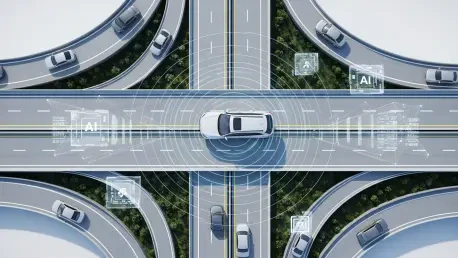
At the heart of the Mona L03 lies a sophisticated hardware array designed to support the proprietary XNGP (Xpeng Navigation Guided Pilot) system, which leverages powerful sensors to navigate complex urban environments with minimal human intervention. Unlike previous iterations that relied heavily on high-definition mapping, this latest version utilizes neural networks to interpret road conditions in real-time, allowing the vehicle to adapt to unmapped areas or sudden changes in traffic patterns. This shift toward an “end-to-end” AI model means the car learns from vast amounts of driving data, continuously refining its decision-making processes to mimic the smooth, predictable behavior of an experienced human driver. The inclusion of dual Nvidia Orin-X chips provides the necessary computational overhead to process millions of data points every second, ensuring that safety protocols remain active even in the most challenging weather conditions. This technical foundation allows the SUV to handle highway merges and intersections with a level of precision that was previously reserved for flagship luxury sedans.
Neural Networks and Real-Time Interpretation
The software layer of the Mona L03 is equally impressive, featuring a localized artificial intelligence engine that processes data at the edge to ensure rapid response times and enhanced privacy for the occupants. This approach naturally leads to a more robust autonomous experience, as the vehicle does not need to rely on a constant cloud connection to make critical safety decisions during high-speed travel. Furthermore, the integration of vision-based algorithms allows the SUV to identify and categorize a wide range of obstacles, from pedestrians and cyclists to road debris and temporary construction barriers, with remarkable accuracy. By prioritizing a vision-first approach supplemented by ultrasonic sensors, Xpeng has managed to create a system that is both cost-effective and highly capable in diverse environments. The continuous feedback loop created by the global fleet allows for over-the-air updates that consistently improve the driving logic, ensuring that the vehicle becomes safer and more efficient the longer it is on the road.
Strategic Positioning for International Expansion
Aerodynamic Optimization and User Interaction
Beyond the autonomous driving capabilities, the interior of the Mona L03 serves as a testament to the brand’s commitment to a user-centric design philosophy that treats the cabin as a living space rather than just a cockpit. The vehicle features the latest version of the Xmart OS, an operating system powered by a dedicated AI large language model that enables natural, multi-turn conversations between the passengers and the virtual assistant. This system can manage everything from adjusting the climate control and ambient lighting to providing real-time navigation updates based on individual preferences and past behavior. Furthermore, the integration of biometric sensors allows the SUV to recognize the driver and automatically adjust seat positions and mirror angles before the journey begins. By removing the friction often associated with complex infotainment systems, the design creates an environment where technology serves the user subtly and effectively, reinforcing the idea that an AI-powered vehicle should simplify life.
Scalable Architecture and Future Considerations
The launch of the Mona L03 successfully demonstrated that the integration of high-level artificial intelligence did not have to be an exclusive feature of the luxury market. By leveraging a scalable architecture, the company managed to maintain a competitive price point while delivering performance metrics that rivaled more expensive competitors. Moving forward, the focus shifted toward establishing a robust service and charging infrastructure to support these vehicles in diverse geographic regions. Stakeholders and industry analysts recognized that the success of such a launch depended on more than just the hardware; it required a commitment to continuous software updates and localized data processing to meet varying regulatory standards. For consumers and fleet operators, the next logical step involved evaluating how these AI-driven platforms could be integrated into broader smart-city initiatives and corporate sustainability goals. The arrival of the Mona L03 provided a practical blueprint for the next phase of mobility, where value was defined by intelligence.