
Record-breaking wildfires in North America have demonstrated a surprising reach, impacting solar energy yields as far away as Europe due to the global transport of airborne particulates. The global transition toward renewable energy is facing a significant hurdle as wildfires become more frequent and severe due to shifting climate patterns. While these fires are often viewed as localized disasters, they have evolved into a systemic threat to the stability and output of solar power networks. Beyond the immediate destruction of property, the resulting smoke and intense heat create a secondary crisis by undermining the efficiency and reliability of photovoltaic systems on a continental scale. The predictability of carbon-free grids relies on consistent solar irradiance, but the increasing intensity of fire seasons introduces a volatility that was once considered an outlier. This phenomenon transforms a regional environmental crisis into a global energy security issue that requires a robust response to protect utility-scale assets. As solar farms expand to meet ambitious targets from 2026 to 2028, the vulnerability of these installations to transcontinental smoke transport has forced a re-evaluation of how grid reliability is measured and maintained.
The Atmospheric and Economic Toll of Smoke
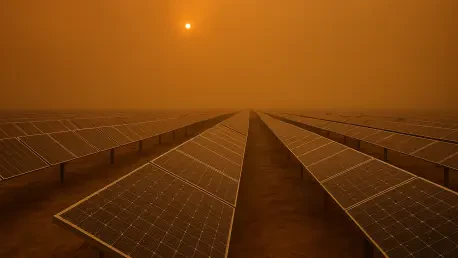
Massive clouds of smoke and airborne particles serve as physical barriers, blocking and scattering the specific spectrum of sunlight needed for photovoltaic cells to generate electricity. Smoke clouds are not just visible shadows; they are dense concentrations of aerosols that scatter shortwave radiation. This scattering significantly reduces the direct normal irradiance that concentrated solar power and standard photovoltaic panels depend on. In recent months, monitoring stations have recorded nearly a twenty percent drop in expected energy yields in regions thousands of miles from active fire zones. This reduction is particularly problematic because it often occurs during the hottest weeks of the year when air conditioning demand pushes the electrical grid to its absolute limits. The result is a thinning of the safety margins for regional transmission organizations, which must suddenly account for massive, unforecasted deficits in their clean energy portfolios at critical peak times for the grid. This measurable disruption reduces the total amount of clean energy available to the grid precisely when it is needed most to maintain the stability of the local power supply.
These disruptions carry a heavy financial and environmental price tag, often totaling billions of dollars in lost revenue and emergency operational costs. When solar output drops unexpectedly, grid operators are frequently forced to rely on fossil fuel alternatives to meet demand, which leads to a spike in associated carbon emissions. This creates a damaging feedback loop where the environmental consequences of a warming planet actively hinder the technologies deployed to mitigate climate change. Market analysts point to significant lost potential revenue for independent power producers who cannot meet their delivery obligations during heavy smoke events. Furthermore, the volatility in spot market prices during these events places an additional burden on consumers and insurance providers, who are now recalibrating risk premiums for renewable assets. These environmental disruptions have moved from being statistical anomalies to regular seasonal challenges that affect the long-term bankability of solar energy projects. Addressing these economic risks requires a deeper understanding of atmospheric dynamics and their direct impact on the financial viability of green energy.
Pollution Challenges and Technological Adaptations
The impact of wildfire smoke is often compounded by other environmental stressors, such as industrial pollution and dust from construction or mining. This accumulation of particulate matter leads to soiling, where a layer of grime builds up on the surface of solar panels and prevents light from reaching the internal silicon wafers. This phenomenon is exacerbated by the chemical composition of wildfire ash, which can be sticky and abrasive compared to standard desert dust. When combined with light morning dew or humidity, this ash forms a persistent film that is remarkably difficult to remove through natural rainfall alone. As a result, facility managers are being forced to deploy robotic cleaning systems and specialized crews with much higher frequency than was originally planned in their operational budgets. From 2026 to 2028, the projected expenditure for panel cleaning at utility-scale sites is expected to rise significantly. This increased overhead threatens to erode the cost-competitiveness of solar energy systems in regions prone to fire activity or downwind of major atmospheric currents.
To counter the unpredictability of these events, the energy sector is increasingly turning to advanced machine-learning models to improve power forecasting. Traditional weather tools often fail to account for the sudden atmospheric changes caused by massive smoke plumes, leading to dangerous imbalances between energy supply and demand. By utilizing sophisticated algorithms that specifically track smoke density, grid managers can better predict dips in energy production and secure alternative power sources well in advance. These artificial intelligence models fuse satellite imagery with atmospheric chemistry data to analyze the spectral signature of smoke in real-time. This allows for more accurate predictions of exactly how much light will be filtered out before it reaches the panels. By 2027, these predictive tools will be a standard requirement for grid integration, allowing operators to preemptively adjust their reserve margins and maintain stability despite the persistent threat of high-altitude pollution. These technological adaptations are essential for bridging the gap between current grid capabilities and the need for a resilient energy future.
Physical Resilience and Long-Term Site Management
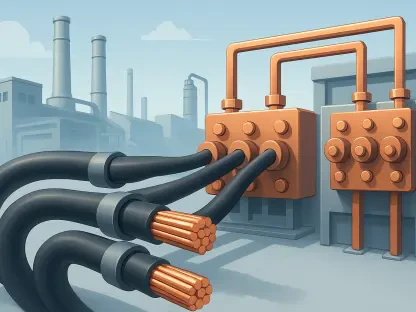
Direct physical damage from extreme heat and flames remains a constant danger to the hardware of solar installations. The intense heat from a nearby crown fire can exceed the thermal limits of the sensitive electronics housed in central inverters and battery storage enclosures. Thermal stress can melt critical electrical components, damage the structural integrity of the mounting racks, or even cause the panels themselves to ignite. Even if the flames do not reach the panels, the radiant heat can warp the aluminum mounting frames or cause micro-cracks in the silicon cells due to rapid thermal expansion and contraction. Real-world incidents have shown that while the intensity of a wildfire can be devastating, rigorous site management can prevent a total loss of infrastructure even when a fire reaches the facility edge. Engineers are now revisiting the design of electrical conduits, opting for higher-grade fire-rated materials that can withstand extreme temperatures for longer durations. This physical hardening is a necessary step to ensure that the infrastructure can survive the increasing frequency of catastrophic fires.
Protecting the future of solar energy requires a combination of proactive maintenance and hardened engineering. Regulatory bodies and energy departments recommend establishing a defensible space by clearing dry vegetation and brush around the perimeter of solar farms to remove potential fuel. This involves the mechanical clearing of shrubs and the replacement of flammable ground cover with non-combustible materials like crushed stone or gravel. Some operators have even begun employing targeted grazing, using livestock to manage vegetation height without the risk of sparks from mowing equipment. Furthermore, housing sensitive electrical equipment in fire-resistant containers and developing comprehensive emergency response plans are essential steps to ensuring that solar infrastructure remains resilient. The installation of automated perimeter sprinkler systems and thermal cameras has become a best practice for early detection, ensuring that the massive investments are not wiped out by a single wildfire event. These measures turn solar farms into resilient islands capable of withstanding the most severe environmental pressures in a changing landscape.
Strategic Solutions: The Path to Grid Stability
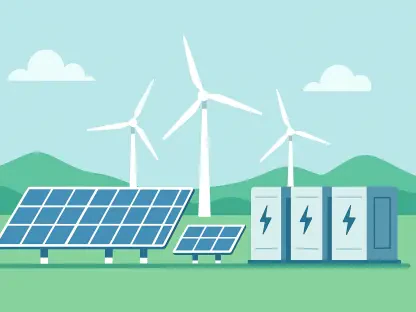
To bridge the gap during smoke-induced outages, the industry began prioritizing the co-location of large-scale battery energy storage systems with solar arrays. This approach allowed for the capture of energy during clear periods to be discharged when smoke density peaked and production dropped. From 2026 to 2028, the adoption of hybrid solar-plus-storage projects increased significantly as a strategy to maintain a firm power delivery profile regardless of atmospheric conditions. Furthermore, the development of microgrids provided a localized solution, allowing critical infrastructure to remain operational even if the main high-voltage transmission lines were shut down as a precaution against fire-induced arcing. These technological shifts transformed the solar sector from a purely weather-dependent industry into a more robust and resilient component of the national energy strategy. This integration allowed for a smoother transition as the grid adapted to the increasing frequency of extreme weather events and pollution. By diversifying the ways in which energy is stored and distributed, the sector mitigated the risks of sudden production losses.
The industry ultimately recognized that the systemic risks posed by wildfires required a multifaceted response combining atmospheric science, mechanical engineering, and policy reform. Regulatory bodies moved to mandate standardized fire-resilience protocols for all new utility-scale projects, ensuring that risk mitigation was baked into the initial design phase. Stakeholders invested heavily in multi-sensor monitoring networks that provided early warnings for both fire approach and smoke arrival. These actions demonstrated that while climate-driven disasters remained a formidable threat, the strategic hardening of infrastructure and the refinement of forecasting models allowed the solar industry to maintain its growth trajectory. Moving forward, the focus shifted toward the deployment of long-duration storage and the optimization of trans-regional power sharing to bypass localized atmospheric obstructions. By addressing these vulnerabilities directly, the energy sector secured the reliability of the green transition and protected the future of global energy production. This proactive approach turned a significant environmental challenge into a catalyst for technological innovation and grid resilience.