
Redefining the National Energy Landscape Amid Climate Extremes
South Korea is currently navigating a precarious energy transition as unrelenting summer temperatures and surging industrial power requirements test the structural integrity of its aging electrical infrastructure. The current 2026 energy paradigm shift reflects a fundamental change in priorities, where the focus has moved beyond simple generation capacity toward the complex synchronization of diverse power sources. This transition is no longer a matter of theoretical policy but a survival mechanism against the backdrop of climate-driven heat waves that have pushed cooling demands to historic levels.
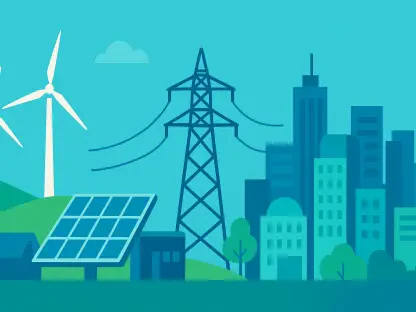
The national discourse is rapidly moving away from binary debates that previously pitted nuclear power against renewable energy. Instead, policymakers and engineers are collaborating on integrated solutions that treat these sources as complementary components of a single, unified grid strategy. By acknowledging that neither technology can stabilize the system in isolation, the industry is finding common ground in the necessity of a resilient and adaptable power architecture.
Geographical advantages and technological foundations play a central role in this newly redefined landscape. While solar expansion dominates the rural provinces, the strategic importance of coastal nuclear facilities remains undiminished due to their ability to draw cooling water from deep within the ocean. This positioning provides a critical buffer against the rising ambient temperatures that have plagued inland power plants in other parts of the world, ensuring that South Korea’s baseload remains secure even during the most severe thermal events.
Emerging Drivers and Statistical Benchmarks in the Power Sector
Contemporary Trends in Decarbonization and Systemic Flexibility
The expansion of high-tech industrial hubs and artificial intelligence data centers has introduced a massive and constant demand for electricity that requires absolute reliability. This AI-driven surge is reshaping how the grid manages systemic flexibility, as these facilities operate around the clock and cannot tolerate even momentary fluctuations. Consequently, the power sector is being forced to evolve more rapidly, integrating digital management tools to balance the needs of these modern economic engines with the variability of carbon-neutral sources.
Moreover, consumer and industrial behaviors are shifting toward decentralized energy models, where regional hubs generate and store their own power. This move toward localized “swing” resources reduces the burden on the central transmission network and provides a necessary safety valve for the national grid. The increasing role of these distributed resources reflects a broader trend of individual and corporate actors taking an active role in maintaining the nation’s energy security through self-sufficiency.
Growth Projections and the Rise of Output Control Events
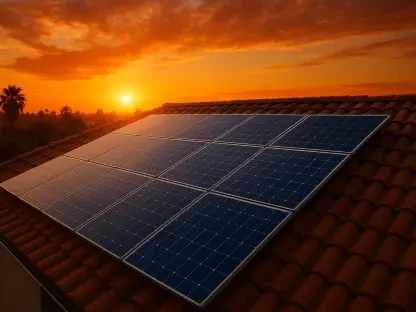
A significant milestone was recorded on August 7, 2026, when solar generation accounted for a record 26.6% of midday electricity demand, momentarily eclipsing the output of the nuclear fleet. This achievement highlights the success of the nation’s solar initiatives, yet it also exposes the growing pains of a grid that was originally designed for a more predictable and centralized flow of power. Such peaks prove that while solar is a powerhouse during the day, its integration requires a level of oversight that the current system is only beginning to master.
Grid instability has become a primary concern as the frequency of mandatory output reductions continues to escalate. Projections for the remainder of 2026 suggest that these control events will reach an all-time high, as the grid struggles to absorb the surplus of renewable energy during hours of low demand. Tracking these metrics is essential for future planning, as they provide a clear map of where the current infrastructure is failing to keep pace with the rapid scaling of green technologies.
Overcoming Structural Hurdles and Operational Inflexibility
Resolving the Nuclear-Solar Friction
The primary challenge in modernizing the grid lies in the inherent friction between the rigid nature of nuclear reactors and the volatile production cycles of solar farms. Nuclear units typically require a four-day cycle to safely shut down and restart, making them nearly impossible to adjust in response to the hourly fluctuations of sunshine. This baseload challenge means that even when solar production is at its peak, nuclear plants must continue running, often leading to a surplus of energy that the system cannot store.
Furthermore, managing the “duck curve” has become a daily operational priority for grid technicians. As solar production drops off sharply around 5:00 PM, the system must suddenly compensate for the loss while evening demand remains elevated or continues to climb. Navigating this transition period requires a delicate balance of resources, as any delay in activating flexible backup power can lead to localized brownouts or broader systemic instability.
Infrastructure and Storage Constraints
Transmission bottlenecks represent a major physical barrier, as the bulk of generation occurs at coastal nuclear sites or rural solar farms far from the high-demand urban center of Seoul. The delay in expanding these high-voltage lines has resulted in significant energy waste, with surplus power unable to reach the consumers who need it most. Bridging this geographical gap is a top priority, yet it remains hindered by logistical hurdles and the time required for major construction projects.
Additionally, the storage sector faces its own set of hurdles, primarily concerning the safety and reliability of Energy Storage Systems (ESS). Frequent reports of fire risks and thermal runaway in lithium-ion facilities have led to stricter operating limits, which in turn reduces the amount of power available during peak evening hours. Restoring confidence in these systems is vital, as they are the only means of capturing the daytime solar surplus for use when the sun goes down.
Modernizing the Regulatory Landscape for Energy Security
Policy Shifts Toward Market Incentives
Regulatory reforms are currently being implemented to move the electricity market toward a system that rewards flexibility and rapid response. New market incentives are designed to encourage facility operators to invest in technologies that can ramp power up or down on short notice, providing a financial reason to support grid stability. By prioritizing those who contribute to systemic balance, the government aims to create a more competitive environment for energy innovation.
Furthermore, new infrastructure mandates have set clear standards for the expansion of grid-scale storage and transmission capacity. These government-led initiatives are intended to ensure that every new generation project is accompanied by the necessary support systems to handle its output. Such policies reflect a long-term commitment to energy security, moving away from reactive measures toward a proactive strategy of national grid fortification.
Safety Standards and Compliance Measures
The regulation of the storage sector has been overhauled with new protocols specifically aimed at mitigating the fire risks associated with high-capacity battery systems. These safety standards are designed to restore investor confidence and ensure that ESS facilities can operate at full capacity when the grid needs them most. Compliance with these rigorous new measures is now a prerequisite for any new storage project, ensuring a higher level of operational stability across the nation.
Moreover, climate adaptation policies are being integrated into national energy regulations to account for the increasing frequency of extreme weather events. These regulations mandate that all power infrastructure must be built or retrofitted to withstand higher temperatures and more intense storms. By aligning energy policy with climate reality, the regulatory framework provides a blueprint for a system that is not only green but also durable.
The Future of the Korean Grid: Innovation and Strategic Diversification
Emerging Technologies and Market Disruptors
Liquefied Natural Gas (LNG) is currently being repositioned as a critical transition resource that can bridge the gap between nuclear baseloads and renewable volatility. Unlike nuclear facilities, gas-fired plants possess the agility to adjust their output within minutes, making them a necessary “swing” resource for the foreseeable future. This flexibility allows the grid to maintain a steady supply even when solar output fluctuates or during periods of maintenance for larger nuclear units.
The implementation of advanced grid management systems is also revolutionizing how energy is distributed. By utilizing artificial intelligence and real-time data analytics, operators can now predict demand spikes and generation dips with a much higher degree of accuracy. These digital tools allow for the optimization of energy flows, significantly reducing waste and ensuring that every megawatt generated is used effectively.
Identifying Long-Term Growth Areas
The development of decentralized power infrastructure, particularly regional microgrids, offers a promising path for reducing the national reliance on long-distance transmission. These localized systems can operate independently during emergencies, providing a layer of protection against widespread blackouts. By fostering the growth of these microgrids, the nation is building a more modular and resilient energy ecosystem that can better withstand both technical failures and natural disasters.
Simultaneously, the industry is investigating next-generation storage solutions that go beyond the limitations of current lithium-ion technology. Alternative battery chemistries and mechanical storage methods, such as pumped hydro or compressed air, are being explored for their potential to provide safer and longer-term energy reserves. Diversifying the storage portfolio is seen as a key step in ensuring that the nation has a reliable backup for its increasingly complex energy mix.
Strengthening the Pillars of South Korea’s Energy Security
The comprehensive analysis of the national grid demonstrated that the survival of the power system depended on moving beyond political energy preferences toward a more technical and flexible reality. The evaluation revealed that while both nuclear and solar resources provided essential benefits, their lack of inherent synchronization necessitated a massive investment in grid modernization and storage infrastructure. It became clear that a rigid system was no longer compatible with the volatile demands of a modern, climate-impacted economy.
Strategic recommendations from the report emphasized the urgent need to prioritize transmission expansion and safety-certified storage systems over purely adding generation capacity. The findings suggested that market reforms were essential to incentivize the flexibility required to handle the solar peak and the nuclear baseload simultaneously. By focusing on these technical pillars, decision-makers identified a viable path to prevent recurring instability and ensure long-term energy security for the nation.
The final assessment concluded that South Korea’s transition to a resilient future was contingent upon its ability to transform its rigid power architecture into a dynamic and interconnected ecosystem. The integration of digital management tools and decentralized resources proved to be the most effective defense against the dual challenges of rising demand and climate variability. Moving forward, the success of the energy sector was tied to its continued pursuit of innovation, safety, and infrastructural flexibility.