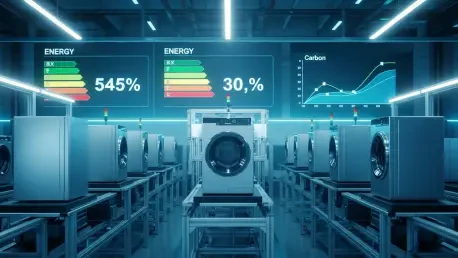
Efficiency in the machines we use every day remains the most overlooked yet powerful lever for stabilizing our warming climate and reducing grid pressure. From household refrigerators to massive industrial motors, the equipment powering modern life accounts for a staggering portion of global carbon
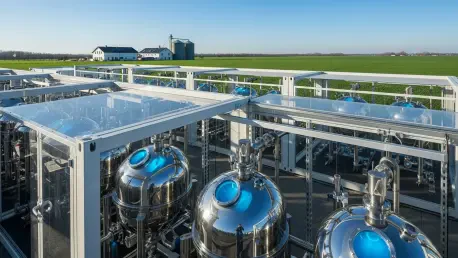
The transition from energy-hungry thermal combustion to light-harvesting chemical synthesis represents a pivot point for an aviation sector currently tethered to volatile fossil fuel markets and limited bio-feedstocks. While the aviation industry has long sought a solution to the carbon intensity

The aviation industry faces an existential challenge as it balances the necessity of global connectivity with the urgent requirement to eliminate carbon footprints from high-altitude combustion. Sustainable Aviation Fuel (SAF) serves as a critical drop-in replacement for traditional kerosene,

The sheer scale of India’s exhibition sector means that a single high-profile convention attendee currently leaves a carbon footprint comparable to two tonnes of carbon dioxide emissions. As the industry experiences a meteoric rise, valued at approximately $14.3 billion in 2026 and expanding at an
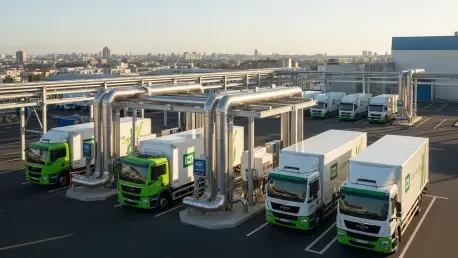
From Landfills to Logistics: The Dawn of a Green Transit Era in Lagos Lagos is currently processing over 13,000 metric tonnes of waste daily, creating a massive opportunity to fuel the transit needs of its twenty million residents through renewable energy. This shift represents more than just a

Empowering the Next Industrial Revolution Through Clean Energy The European Commission has officially selected nine pioneering hydrogen production projects to receive more than one billion euros in funding through the strategic third auction of the European Hydrogen Bank. This initiative represents