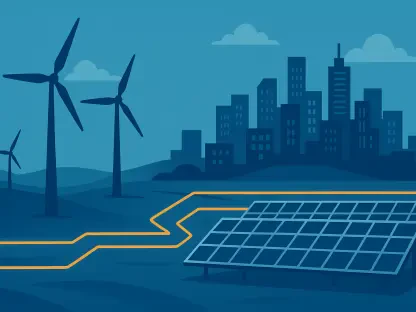

The success of the United Kingdom’s small-scale solar initiative depends heavily on consumer education and the strict enforcement of updated government safety standards. This regulatory shift represents a pivotal moment in the nation’s energy landscape, as it effectively removes the financial and structural barriers that previously limited solar adoption to wealthy homeowners. Until recently, the installation of photovoltaic systems required significant capital investment and permanent modifications to property structures, leaving millions of residents in apartments or rented accommodations without a viable path toward renewable energy. By authorizing the widespread use of plug-in solar kits, the government has introduced a modular and consumer-friendly alternative that aligns with broader decarbonization targets. This policy not only aims to reduce the national carbon footprint but also seeks to provide immediate financial relief to households facing high electricity costs.
Safety Standards: Regulatory Compliance and Safety
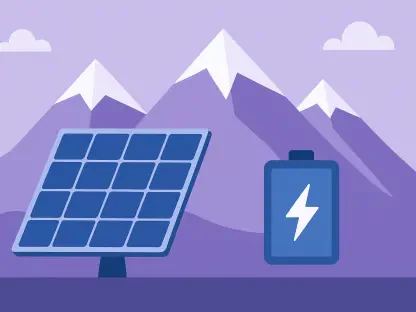
Current regulations in the United Kingdom specifically authorize panel-only products that are capped at a maximum output of 800 watts. This threshold was selected to ensure that the energy generated can be safely managed by existing residential electrical circuits without the need for professional upgrades or complex modifications. Notably, the current framework intentionally excludes systems that include battery storage units, as regulatory bodies such as Renewable Energy Assurance Ltd (REAL) require more extensive safety testing before these components can be cleared for general consumer use. This cautious approach distinguishes the British market from several other European jurisdictions, maintaining a higher bar for equipment certification to prevent electrical overloads. By strictly adhering to these updated safety standards, the government ensures that the rollout of plug-in technology does not compromise the integrity of the national grid or home wiring systems.
The role of major commercial retailers, including Amazon, B&Q, and Currys, has become integral to the successful distribution of these compliant solar kits. These companies have collaborated with government agencies to ensure that the hardware available on their platforms meets the rigorous requirements set by the Renewable Energy Consumer Codes. For the average consumer, this means that purchasing a kit from a reputable source provides a baseline of safety and reliability that was previously difficult to verify. However, experts still emphasize the necessity of individual due diligence, urging users to confirm that their specific model is approved for use within the United Kingdom. This vigilance is essential to protect against the influx of non-compliant imports that may bypass safety protocols. As the market expands, the focus remains on building a transparent environment where realistic energy production expectations are prioritized over exaggerated savings claims.
Economic Impact: Achieving Energy Sovereignty
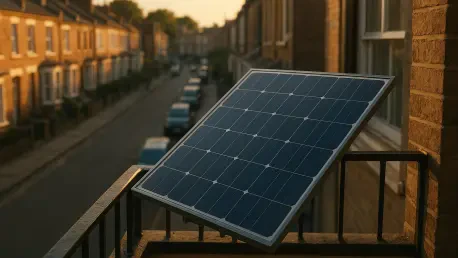
From a functional standpoint, a standard 800-watt plug-in kit offers surprising utility for modern households, capable of running essential electronics like refrigerators and internet routers under optimal conditions. Data suggest that these systems offset approximately 20% of a typical household’s electricity consumption, leading to annual savings of up to £110. This technology is particularly transformative for demographic segments historically excluded from solar adoption, such as renters and apartment dwellers who lack roof ownership. Plug-in solar kits solve this problem by offering a portable and non-permanent solution that can be set up on a balcony without requiring structural changes to the building. When a tenant moves to a new residence, the kit can be easily transported, making it an asset that travels with the individual. This portability empowers urban residents to take control of their utility bills and carbon footprint, fostering energy sovereignty across diverse housing types.
The integration of plug-in solar technology across the United Kingdom established a clear pathway for democratizing clean energy and reducing domestic utility costs. Decision-makers recognized that for these kits to be effective, consumers had to first conduct a thorough evaluation of their property’s physical orientation and sunlight exposure. Successful adopters prioritized locations like south-facing balconies or unobstructed patios to maximize energy harvest, as even partial shading significantly reduced the system’s output. Moving forward, households were encouraged to treat these kits as a gateway to more comprehensive energy management strategies, such as timing the use of heavy appliances like washing machines during peak daylight hours. This shift in consumer behavior, combined with the accessibility of 800-watt hardware, provided a practical solution for those seeking immediate environmental and financial impact while contributing to a resilient, decentralized grid.