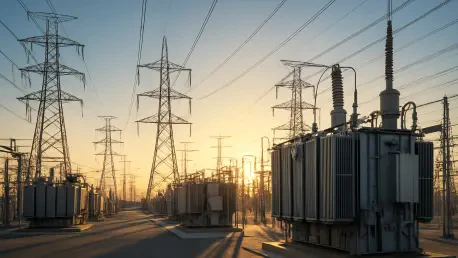

The sudden shift toward aggressive energy protectionism marks a fundamental realignment of the American industrial landscape, prioritizing national security over established cost-saving trade routes. President Donald Trump’s declaration of a national emergency concerning the security of the bulk-power system serves as a catalyst for a massive transformation in infrastructure procurement and domestic energy policy. This directive empowers the Secretary of Energy to block or mandate the removal of foreign-made equipment deemed a risk to the electrical grid. By targeting components like transformers, batteries, and inverters, the administration aims to insulate the national power supply from potential sabotage and unauthorized access. This analysis explores how these mandates will reshape supply chains, drive new investment patterns, and redefine the standards for operational security in a digital-first economy.
The Evolution: Grid Security and Supply Chain Risks
Historically, the U.S. power grid relied on globalized markets where the lowest bidder often originated from regions with conflicting geopolitical interests. Previous measures, such as Executive Order 13920, set an early precedent for security, but the rapid growth of energy-intensive artificial intelligence and massive data centers now demands a more robust defensive posture. These background factors are critical to understanding why the current administration is moving away from an open-market approach toward a strictly regulated framework.
The transition toward a de-risked procurement strategy reflects a growing recognition that energy sovereignty is inseparable from national stability. As the nation becomes more reliant on electricity to fuel advanced manufacturing, the vulnerabilities inherent in a global supply chain have become unacceptable risks. This historical context illustrates that the new emergency declaration is not an isolated event but a necessary response to the evolving nature of modern warfare and economic competition.
Navigating the Mandates: Market Impact and Compliance
Retroactive Authority: The Burden of Compliance
One of the most disruptive elements of the new directive is the retroactive power granted to the Department of Energy. Utility providers may face orders to replace existing infrastructure components if they are linked to foreign adversaries or entities of concern. This creates a substantial financial burden, as companies must audit complex systems and potentially scrap functioning assets that do not meet the new security criteria. This requirement for immediate auditing and possible replacement could lead to significant capital expenditures and operational adjustments for utilities across the nation.
The Challenge: Identifying Covered Foreign Entities
A major point of contention within the sector is the lack of specific foreign entities named in the directive, which leaves manufacturers and utilities in a state of regulatory uncertainty. While the order does not explicitly blacklist specific nations, industry experts recognize China’s dominance as the primary focal point of the policy. Since China currently controls approximately 80% of the lithium-ion battery market and a vast share of solar component production, American utilities face a difficult path in securing alternative vendors without driving up costs for consumers.
Software Vulnerabilities: Modern Infrastructure Risks
Modern grid management depends heavily on specialized software and control systems to integrate renewable sources and manage electrical loads. The executive order emphasizes vetting these systems to prevent remote cyberattacks that could paralyze the economy. Industry leaders are currently seeking clarity on how software development hubs will be evaluated under the new rules. There is a persistent concern that common code components developed in international hubs could trigger violations, potentially stalling the deployment of smart-grid technologies necessary for the next generation of American productivity.
Future Trends: Energy Independence and Domestic Innovation
Looking ahead, this emergency declaration is set to ignite a domestic manufacturing boom for critical energy hardware. The shift toward secure-by-design equipment will likely accelerate the development of local supply chains for high-capacity batteries and power electronics. This evolution is expected to strengthen the American industrial base, fostering innovation in hardware that prioritizes security over mere cost-efficiency.
Economically, this decoupling from foreign energy markets requires a massive capital infusion. Industry analysts estimate that the required investment will reach approximately $1.1 trillion from 2026 to 2030 to ensure both compliance and capacity growth. Furthermore, the implementation rules developed by the Department of Energy will likely serve as a blueprint for other critical sectors, such as telecommunications and water management, signaling a broader trend toward comprehensive national infrastructure protection.
Strategic Takeaways: Action for Stakeholders
For industry stakeholders, the immediate priority involves conducting comprehensive supply chain audits to identify and mitigate exposure to high-risk vendors. Utility companies and manufacturers should prioritize friend-shoring or domestic resourcing strategies to ensure long-term regulatory compliance. By staying ahead of the 120-day implementation period, businesses can better navigate the transition and ensure that security mandates do not result in market paralysis.
Effective communication between the private sector and the Department of Energy remains vital to maintaining the affordability of the American energy supply. Organizations should prepare for a shift in their capital allocation strategies, moving funds toward secure, certified hardware. Proactive engagement with policy changes will allow utilities to modernize their systems while fulfilling the government’s requirements for a resilient and protected national power grid.
Fortifying the Grid: A Necessary Transformation
The implementation of these protective measures successfully signaled a new age for American infrastructure resilience. Decision-makers evaluated the complex trade-offs between affordability and security, ultimately choosing a path that prioritized national stability over short-term savings. This transition redefined how the energy sector approached risk, ensuring that the foundations of the digital economy remained shielded from external interference. These actions established a blueprint for securing other vital industries, proving that a robust and independent power supply was the primary requirement for sustained progress. The industry moved toward a more self-reliant model, which fortified the nation against the evolving threats of the 21st century.