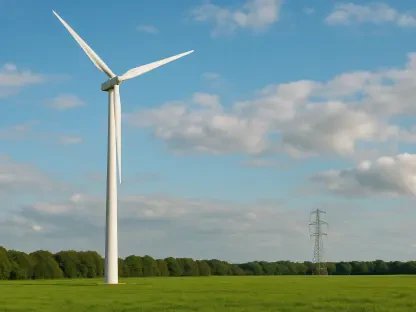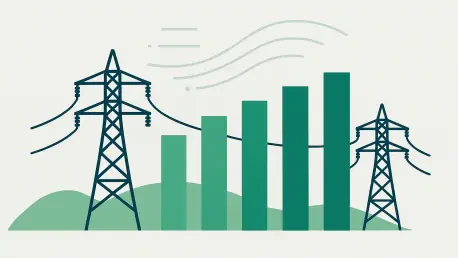

Traditional lithium-ion batteries are often optimized for four-hour cycles, creating a critical gap during extended periods of low wind and solar generation. As the United Kingdom accelerates its transition toward a fully decarbonized power grid, the limitations of existing storage solutions have become increasingly apparent. To address this vulnerability, the government has launched the Ultra-Long Duration Energy Storage initiative, supported by a £28 million investment from UK Research and Innovation. This strategic program specifically targets technologies capable of discharging clean electricity for more than one hundred consecutive hours. By focusing on this extended timeframe, the initiative seeks to eliminate the risks associated with multi-day periods of low renewable output, commonly referred to as dunkelflaute. Strengthening national energy security requires a diverse portfolio that bridges the gap between daily battery usage and seasonal storage, ensuring that the lights stay on consistently even when weather conditions are unfavorable for generation.
Advancing Battery and Hydrogen Solutions
The first technological pillar of the Ultra-LDES initiative centers on the development of advanced electrochemical batteries that move beyond the chemistry of standard consumer electronics. While lithium-ion remains the gold standard for electric vehicles and short-term grid stabilization, it is not economically viable for multi-day discharge. Researchers are now exploring alternative chemistries, such as iron-air or flow batteries, which utilize abundant and inexpensive materials to store vast amounts of energy. These systems operate by circulating liquid electrolytes or utilizing metal oxidation processes to maintain a steady flow of electricity over several days. The goal is to create a high-capacity discharge profile that remains efficient throughout hundreds of cycles without significant degradation. By scaling these industrial-grade batteries, the UK aims to provide a localized buffer for regional power grids, reducing the strain on high-voltage transmission lines while ensuring a steady supply of power.
Parallel to battery innovation, the program emphasizes the critical role of underground hydrogen storage as a primary method for high-volume energy retention. This process involves using surplus renewable energy during periods of peak production to power large-scale electrolyzers, which split water into oxygen and hydrogen gas. The resulting hydrogen is then injected into massive underground geological formations, such as salt caverns or depleted natural gas fields. These subterranean chambers provide the necessary scale to hold terawatt-hours of potential energy for weeks or months at a time. When the national grid faces a supply deficit, the stored hydrogen is extracted and converted back into electricity through fuel cells or specialized turbines. This cycle provides a massive, reliable backup that functions as a strategic reserve. By utilizing existing geological assets, the UK can repurpose its North Sea expertise to transition from fossil fuels to a hydrogen-based system.
Market Resilience: Economic Stability and Strategic Implementation
A central motivation for pursuing ultra-long duration storage was the urgent need to decouple the UK energy market from the extreme price volatility of the global gas trade. Historically, the national grid relied on gas-fired peaker plants to fill generation gaps, which left consumers vulnerable to international supply shocks and fluctuating fuel costs. By establishing a robust domestic capacity for long-term storage, the government successfully lowered overall system costs and reduced the reliance on these expensive facilities. Economic projections indicated that the implementation of underground hydrogen storage could save the country between £14 billion and £50 billion by 2050. These savings were derived from avoided fuel purchases and a minimized need for grid reinforcement projects. Transitioning to this storage-heavy model transformed renewable energy from a variable resource into a predictable commodity for homes and businesses across the country, ensuring long-term price stability.
The shift toward ultra-long duration storage required a fundamental reimagining of how energy was valued and distributed across the national network. Stakeholders moved beyond short-term fixes and committed to the high-capacity infrastructure necessary for true energy independence. This comprehensive strategy successfully addressed the intermittency gap, providing a clear path for future investments in carbon-neutral technologies. The integration of hydrogen and advanced batteries proved that a resilient grid was achievable through a combination of public leadership and private innovation. To maintain this trajectory, the industry prioritized streamlining the planning process for large-scale subterranean projects and accelerated the training of a specialized workforce. The lessons learned from the Ultra-LDES initiative were applied to broader goals, ensuring that sustainability and security remained the twin pillars of energy policy. These actions established a blueprint that transformed the country into a global leader.