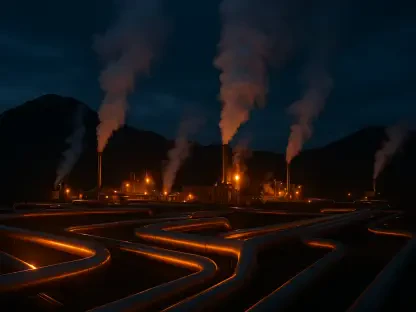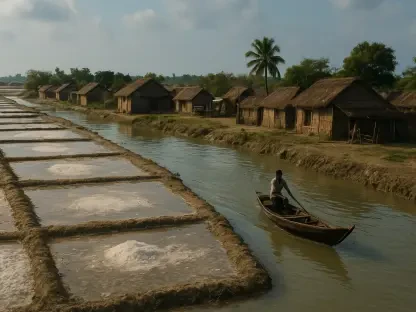

The rapid transformation of Indonesia’s rural heartlands from verdant agricultural hubs into scorched industrial landscapes illustrates the high human cost of the global thirst for cheap fossil fuels. In regions like Muara Maung, located within the South Sumatra province, the transition from a self-sustaining agrarian existence to a hazardous industrial frontier has been both swift and devastating for the local population. As coal extraction operations ramp up to meet surging international demands, the villagers situated on the front lines are witnessing a systematic erosion of their ancestral lands and economic stability. What was once a landscape defined by seasonal harvests is now dominated by the mechanical roar of excavators and the persistent haze of particulate matter. This aggressive expansion, while framed as a national economic necessity, has effectively turned these communities into collateral damage in the pursuit of energy security and profit. The disparity between the wealth generated by these mines and the poverty inflicted upon the residents highlights a growing social crisis.
Physical Destruction of Land and Local Infrastructure
The mining boom has fundamentally altered the physical geography of the region, leading to frequent and catastrophic flooding that the village never encountered in previous decades. Residents report that the massive expansion of nearby pits has completely disrupted the natural drainage systems of the valley, causing the community to be submerged multiple times within a single monsoon season. These floods do far more than just displace families; they leave behind thick, viscous layers of toxic mud that saturate the soil and destroy the remaining crops that serve as the community’s primary source of independent income. Consequently, the agricultural cycles that once sustained the village are being replaced by a cycle of disaster and recovery that leaves residents increasingly impoverished and desperate. The environmental degradation is not merely a side effect of industry but a permanent restructuring of the land that prevents any return to traditional farming or safe living for those who remain in the path of progress.
Beyond the immediate threat of rising water, the relentless operation of coal transport fleets has shattered both the relative peace and the basic infrastructure of the South Sumatra region. Heavy industrial vehicles rumble through local villages twenty-four hours a day, pulverizing the asphalt and leaving once-paved roads cracked, rutted, and often entirely impassable for small personal vehicles. During the dry months, these trucks kick up massive, suffocating clouds of coal dust that settle on every surface, from household furniture to school desks, creating a permanent respiratory threat for the elderly and young children. Conversely, the arrival of the rainy season turns these damaged transit routes into treacherous, waterlogged tracks that effectively isolate the community from essential services. This degradation of public infrastructure serves as a constant reminder that the wealth extracted from the ground is not being reinvested into the people who live in the impact zone near the mining sites.
Erosion of Public Health and the Path Toward Accountability
Environmental decay has also claimed the Kungkilan River, a body of water that served as the village’s primary lifeblood for many generations. Now rendered entirely unusable by industrial sediment and chemical runoff, the river’s decline has forced residents to either pay for expensive bottled water or drill deep wells at their own significant expense. This shift has effectively privatized a once-free natural resource, placing an additional financial burden on families who are already struggling with the loss of their farmland. Furthermore, public health is under constant siege as a direct result of these industrial activities, with a majority of the population suffering from chronic respiratory allergies tied to coal dust exposure. Victims often encounter insurmountable administrative hurdles at local health centers, leaving them to manage serious mining-related illnesses without the necessary professional support or financial assistance from the corporate entities responsible for the pollution.
When villagers attempt to hold mining companies like PT Muara Alam Sejahtera accountable, they are often met with bureaucratic delays and corporate stalling tactics. Demands for river normalization and fair compensation are frequently sidelined as companies prioritize meeting production quotas over the safety of the local population. This creates a painful irony where the Lahat Regency is marketed as a vital pillar of the national power grid, yet the people living there see none of the benefits—only the steady erosion of their dignity and quality of life. The power dynamics in the region heavily favor industrial giants, leaving local advocacy groups with few avenues for legal recourse or environmental remediation. As production targets continue to rise, the gap between corporate profitability and community well-being continues to widen, fostering a sense of abandonment among the rural residents who sustain the nation’s energy needs while facing an increasingly precarious future.
The resolution of this crisis required a fundamental shift in how national energy policies balanced industrial output with human rights. To address the damage, the government eventually mandated that mining firms implement comprehensive river normalization projects and construct permanent flood barriers around vulnerable settlements. These actions were paired with the establishment of independent health clinics specifically funded by a dedicated percentage of mining royalties to treat chronic respiratory conditions. Furthermore, the transition toward more transparent community-led environmental monitoring ensured that local voices were no longer sidelined in favor of production quotas. By prioritizing the restoration of natural drainage and providing fair financial compensation for agricultural losses, the state acknowledged that economic growth could not be sustained at the expense of its own citizens. This comprehensive approach provided a necessary blueprint for more equitable and responsible resource management in the region.