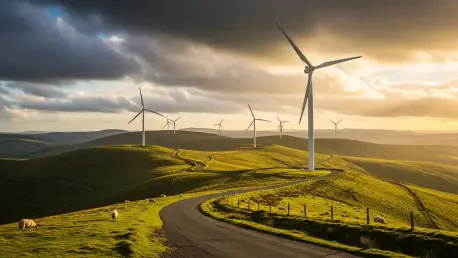

In a significant move toward bolstering its renewable energy infrastructure, a formal public consultation has been initiated for the proposed Foel Fach Wind Farm, a project poised to make a substantial contribution to the region’s clean energy supply. Developers Coriolis Energy and ESB have put forward the proposal for the 10-turbine, 72-megawatt facility near Bala, which is projected to generate enough clean electricity to power over 68,700 average households annually. This development comes at a critical time as Wales grapples with the dual challenges of achieving energy independence and meeting ambitious climate targets. The consultation period provides a structured platform for community members and local stakeholders to review the comprehensive plans and provide crucial feedback before a final planning application is submitted to Welsh Ministers. The project represents more than just an addition of green power to the grid; it is being presented as an integrated solution designed to deliver tangible local economic benefits and align with pressing national strategic goals for a sustainable future.
Fostering Community and Economic Growth
Direct Community Investment and Benefits
A cornerstone of the Foel Fach proposal is a deep-rooted commitment to ensuring that the local community reaps direct and lasting financial rewards from the project. The developers have established a plan for a Community Benefit Fund, a significant financial instrument that will provide £8,000 per megawatt of installed capacity on an annual basis for the entire operational lifespan of the wind farm. This structure translates into a substantial, multi-decade stream of funding dedicated to local initiatives. To guarantee that these funds are allocated effectively and address genuine local priorities, the developers are engaging in a close partnership with established community support organizations Mantell Gwynedd and CVSC. This collaboration is designed to tailor the fund’s deployment to the specific needs and aspirations of the surrounding area, moving beyond a generic handout to a more strategic form of community investment. This approach aims to create a sustainable legacy of support that can empower local projects, enhance public services, and foster economic resilience for generations to come, making the community an active partner in the region’s energy transition.
A Pioneering Shared Ownership Model
Beyond the provision of a benefit fund, the project is breaking new ground with an innovative shared ownership model that promises to redefine the relationship between energy projects and their host communities. In collaboration with Community Energy Wales, the developers are exploring a structure that would allow local residents, businesses, and community groups to invest directly in the Foel Fach Wind Farm. This initiative would transform community members from passive observers into active stakeholders with a tangible financial interest in the project’s success. Participants in the shared ownership scheme would receive a direct financial return on their investment, providing a new source of local income. More importantly, this model gives the community a powerful voice and a degree of control over how a portion of the profits are managed and reinvested locally. This empowers the community to direct resources toward projects they deem most important, whether it’s enhancing local infrastructure, supporting small businesses, or funding educational programs, thereby fostering a deeper sense of ownership and shared purpose in the clean energy revolution.
Aligning with National and Strategic Priorities
Addressing Energy Costs and Climate Imperatives
The Foel Fach Wind Farm is strategically positioned to address some of the most pressing challenges facing the nation, including volatile energy markets and the urgent need for climate action. Proponents of the project emphasize its capacity to help alleviate public concerns over high energy bills by introducing a significant source of locally generated, predictably priced electricity into the grid. This contributes to a more stable energy market, insulating consumers from the price shocks often associated with imported fossil fuels. Furthermore, the project directly supports the Welsh Government’s ambitious commitment to achieve net-zero emissions by 2050. As a large-scale renewable energy facility, the wind farm will play a crucial role in decarbonizing the country’s power sector, which is a fundamental step in meeting legally binding climate targets. By displacing fossil fuel generation, the 72-megawatt project will significantly reduce carbon emissions, contributing to cleaner air and a healthier environment while demonstrating tangible progress on Wales’s path toward a sustainable, low-carbon economy.
Securing Wales’s Energy Future
The formal consultation period for the project was opened to the public from December 10 to February 9, representing a critical juncture in the planning process. A series of public events were scheduled for mid-January in Cwmtirmynach, Bala, and Sarnau, which were designed to provide residents with a transparent platform to voice opinions, ask questions, and offer feedback directly to the development team. This phase of public engagement was instrumental in shaping the final planning application submitted to Welsh Ministers for consideration. The project’s ultimate approval was framed as a vital step toward securing greater energy independence for Wales, reducing its long-standing reliance on volatile international fossil fuel markets. It was also positioned as essential for meeting the country’s rapidly increasing demand for electricity, a direct consequence of the widespread electrification of its transportation and industrial sectors. The successful development of the wind farm was seen as a key enabler of a broader national decarbonization strategy, ensuring Wales had the clean energy capacity to power its future growth.