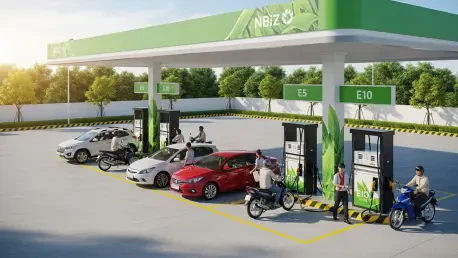

The rapid roar of motorcycles through the bustling streets of Hanoi and Ho Chi Minh City is beginning to carry a different scent as the nation prepares for a historic energy pivot. On June 1, Vietnam will officially launch a massive overhaul of its energy landscape, moving away from conventional fossil fuels to embrace high-performance biofuel blends. This transition is not merely a policy adjustment but a fundamental shift that will see traditional gasoline phased out in favor of E5 RON92 and E10 RON95. By mandating this change, the country is positioning itself at the forefront of Southeast Asia’s green energy movement, trading old-school combustion for a more sustainable, plant-based future.
The Strategic Drivers: Circular No. 50/2025
The roadmap for this energy evolution is dictated by the Ministry of Industry and Trade’s Circular No. 50/2025, which serves as the blueprint for modernizing national infrastructure. This initiative addresses the urgent need to reduce a 30% reliance on imported fuels, which currently leaves the economy vulnerable to the volatility of global crude oil markets. By prioritizing domestic energy production, the government is building a more resilient economic foundation while aligning national policies with international climate commitments.
Beyond simple regulatory compliance, the circular establishes a framework for technical standardization across the supply chain. It ensures that every liter of fuel pumped into a vehicle meets rigorous quality benchmarks, fostering consumer confidence in renewable alternatives. This legislative backbone provides the necessary certainty for private investors to commit capital toward the long-term transformation of the energy sector.
Economic Revitalization: The Agricultural Connection
The shift to biofuels is designed to spark a domestic industrial renaissance, specifically within the ethanol production sector. Several plants that were previously dormant due to inconsistent demand are now ramping up operations to meet the upcoming mandate. This surge in production provides a vital safety net for local cassava farmers, offering them a stable, high-volume domestic market that reduces their exposure to the fluctuations of the export trade.
Moreover, the transition opens new doors for international cooperation, particularly with the United States. Importing American ethanol can help balance bilateral trade while ensuring a steady supply for blending requirements during the initial scale-up phase. This synergy between local agriculture and global trade partners creates a diversified supply chain that protects the economy from localized crop failures or logistical bottlenecks.
Environmental Metrics: Energy Security Targets
The data supporting this transition highlights significant environmental and macro-economic benefits. The replacement of traditional gasoline is projected to slash fossil fuel consumption by approximately one million cubic meters, leading to a reduction of 2.5 million tonnes of carbon dioxide emissions annually. This move directly enhances national energy security by diversifying the fuel mix and reducing the carbon footprint of the transportation sector.
Analysts suggest that these metrics represent a critical step in achieving long-term sustainability and mitigating the environmental impact of rapid industrial growth. By integrating ethanol—a renewable resource—into the daily commute of millions, the nation effectively turns its transport network into a tool for carbon reduction. This systematic decarbonization serves as a model for other developing economies looking to balance industrialization with ecological preservation.
Implementation Roadmap: Protections for Older Vehicles
The government has established a pragmatic timeline to ensure a smooth transition for both suppliers and consumers, starting with rigorous inspection periods that began in late March. While the goal is to have the supply chain fully operational by May, specific safeguards are in place to protect owners of older machinery. Transitional measures will remain active until 2030, allowing a grace period for vehicles that may face compatibility issues with newer biofuel blends.
Looking ahead, the focus shifted toward expanding the infrastructure for even higher ethanol concentrations and electric vehicle integration. Decision-makers prioritized the development of specialized maintenance hubs to assist citizens in tuning vintage engines for optimal biofuel performance. This inclusive strategy ensured that the path toward a high-tech, green economy remained accessible to all social strata, effectively bridging the gap between legacy technology and a renewable future.