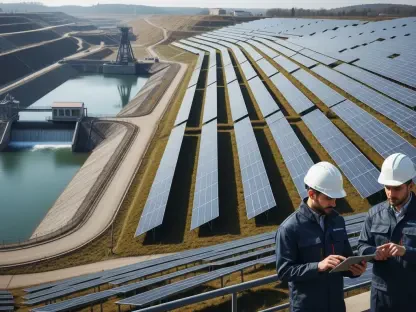

The deep roar of water rushing through massive indoor conduits at the Älvkarleby Research and Development center serves as a constant reminder that even the most established energy sources must evolve to survive in a modern digital economy. While many contemporary energy discussions focus exclusively on nascent technologies, this Swedish facility, which has been operational since 1943, demonstrates that the true frontier of the energy transition often lies in the sophisticated modernization of existing infrastructure. Under the strategic direction of Mats Billstein, the center has transitioned from its historical roots in nuclear and wind power to become a premier hub for hydroelectric innovation. The primary challenge currently facing the team is not the invention of a new power source, but the systematic engineering of resilience and flexibility into a century-old technology that must now perform in ways its original designers never anticipated. By blending decades of hydraulic expertise with the latest advancements in robotics and materials science, the facility ensures that hydropower remains a cornerstone of the renewable energy portfolio.
Large-Scale Modeling and Advanced Infrastructure
The sheer physical scale of the Älvkarleby laboratory distinguishes it as one of the most significant hydraulic research facilities in Europe, providing a space where theoretical physics meets heavy industrial reality. Inside hangar-like structures, researchers construct massive physical models of hydroelectric plants that allow for the direct observation of complex water behaviors that computer simulations cannot yet fully replicate. These models are essential for visualizing turbulence, aeration, and pressure changes that occur when water moves at high velocities through intake structures and turbines. By using actual water in a controlled environment, the center generates high-fidelity data that informs the construction of real-world dams and power stations. This empirical approach reduces the risks associated with multi-billion-dollar infrastructure projects, ensuring that every modification to a plant’s design is backed by rigorous physical evidence before a single drop of concrete is poured at a remote site.
In addition to traditional hydraulic modeling, the facility serves as a testing ground for a fleet of specialized robotic systems designed to navigate the treacherous environments found within power stations. Autonomous quadrupedal robots are frequently deployed to climb steep, industrial staircases and navigate narrow catwalks, performing routine surveillance that would be tedious or dangerous for human technicians. Complementing these ground units are dragonfly-like drones capable of launching from the center’s terraces to inspect the cavernous internal housings of massive turbines or the vertical faces of high-altitude dams. These drones utilize advanced sensors to detect micro-fissures or structural anomalies in areas that were previously inaccessible without extensive scaffolding or dangerous rope-access work. This integration of robotics into the facility’s daily operations significantly enhances the speed and accuracy of maintenance routines, allowing for a proactive rather than reactive approach to infrastructure management.
Adapting to the Modern Energy Grid
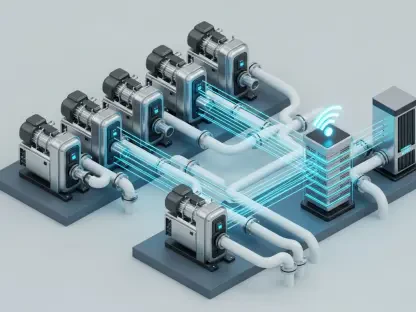
The fundamental role of hydropower has undergone a dramatic transformation, shifting from a steady “baseload” provider to a highly dynamic “balancing” source that compensates for the inherent variability of wind and solar power. In the current energy market, hydroelectric facilities are no longer expected to run at a constant output for months at a time; instead, they must respond to grid fluctuations by frequently starting and stopping their massive turbines. This erratic operational mode, often referred to as “peaking,” subjects mechanical components to extreme thermal and physical stresses that they were not originally designed to withstand. Researchers at the center are focusing heavily on the long-term effects of this frequent cycling, using large-scale generator models to simulate years of operational wear in a fraction of the time. By identifying the exact points of failure in rotors, bearings, and windings, the team can develop new maintenance schedules and design specifications that are specifically tailored for the modern, high-intensity energy grid.
This transition to a balancing role requires a complete rethink of how hydropower assets are dimensioned and operated throughout their lifecycle. When a turbine starts and stops multiple times a day, the resulting mechanical fatigue can lead to shortened equipment lifespans and increased risk of sudden failure. To mitigate these issues, the Älvkarleby team is developing sophisticated diagnostic tools that monitor the “health” of generators in real-time, allowing operators to adjust their output based on the current structural integrity of the machine. This research is critical for maintaining grid stability, as it ensures that hydroelectric plants can continue to act as a reliable safety net when the wind stops blowing or the sun sets. By optimizing the resilience of these components, Vattenfall is essentially future-proofing its fleet, ensuring that these massive assets can handle the rigors of the energy transition while remaining economically viable in an increasingly volatile power market.
Materials Science and Environmental Stewardship
At the molecular level, the center is pioneering advancements in materials science that aim to significantly reduce the environmental footprint of heavy civil engineering. The onsite concrete laboratory is currently focused on testing alternative binders and low-carbon cement mixtures that could revolutionize how dams and powerhouses are constructed. Concrete is one of the most carbon-intensive materials on earth, and by subjecting new, sustainable formulations to intense pressure, bending, and pulling tests, scientists are identifying mixtures that offer the same structural integrity as traditional concrete with a fraction of the emissions. These experiments are vital because the longevity of a dam is measured in centuries, meaning any new material must prove its durability over long timeframes before it can be adopted at scale. This focus on green building materials aligns the industrial necessity of hydropower with broader global climate objectives, making the infrastructure as sustainable as the energy it produces.
Environmental stewardship at the facility extends beyond carbon footprints to the preservation of local biodiversity and the protection of aquatic ecosystems. The center is a leader in developing innovative fish migration solutions, creating pathways that allow migratory species to bypass turbines and dams safely. These systems are tested in the facility’s large-scale flumes to ensure that water velocities and bypass designs are optimized for the specific swimming capabilities of indigenous fish populations. Furthermore, a concerted effort is underway to eliminate the use of carbon-based lubricants in hydroelectric machinery, replacing them with biodegradable or water-based alternatives. This transition is essential for preventing accidental water contamination in the sensitive river systems where these plants operate. By prioritizing ecological health alongside technical efficiency, the researchers at Älvkarleby are demonstrating that modern industrial operations can exist in harmony with the natural environments they harness for power generation.
Dam Safety and Surveillance Technologies
One of the most critical areas of focus for the R&D team involves the development of non-destructive testing methods to ensure the absolute safety of aging embankment dams. Recently, the center concluded an intensive “blind test” involving a twenty-meter-wide test dam that was intentionally constructed with hidden internal defects, such as seepage channels and structural weaknesses. Various geophysical surveillance teams were invited to use their most advanced monitoring equipment to identify these hidden flaws without knowing their locations beforehand. This rigorous experimental setup allowed Vattenfall to evaluate the accuracy of different sensors and diagnostic techniques in a controlled environment. The findings from these tests are now being used to refine the monitoring protocols for the entire operational fleet, providing dam safety engineers with a more reliable “toolbox” for identifying potential issues long before they pose a threat to public safety or structural integrity.
The data gathered from these sophisticated experiments is directly influencing the design of the next generation of surveillance infrastructure and automated monitoring systems. By integrating fiber-optic sensors and satellite-based interferometry into the dam safety framework, the center is moving toward a model of “intelligent” infrastructure that can report its own status in real-time. This proactive monitoring is particularly important as the global climate changes, leading to more frequent and intense weather events that can put additional pressure on water management systems. The work performed at Älvkarleby ensures that safety measures are not just based on historical data, but are continuously updated with the latest technological insights. By focusing on these marginal gains in detection accuracy and structural analysis, the center provides the essential technical foundation required to maintain public trust in large-scale hydropower projects while securing the long-term reliability of the national energy supply.
Strategic Implementation and Long-Term Stability
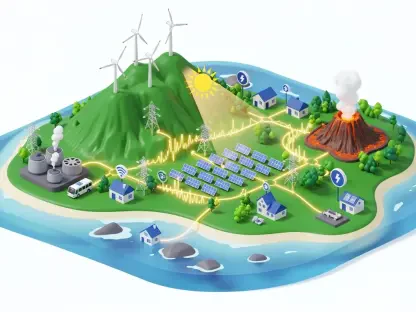
The ongoing work at the Älvkarleby Research and Development center highlights the necessity of a multifaceted approach to energy security, where digital innovation and physical engineering are inextricably linked. Having moved through various research phases over the past several decades, the facility has demonstrated that the most effective path toward a fossil-free future involves maximizing the potential of existing renewable assets. By focusing on the “marginal gains” in efficiency, material durability, and environmental protection, the center ensures that hydropower remains a flexible and sustainable backbone for the power grid. These incremental improvements, when applied across a national or global fleet, translate into massive contributions to grid stability and climate goals. The transition from 2026 into the coming years will require a continued commitment to these technical refinements, as the complexity of the energy market continues to grow alongside the demand for reliable, carbon-neutral electricity.
Looking forward, the integration of real-time data analytics and autonomous maintenance systems will be the next logical step for the hydropower industry. The experiments currently being conducted at Älvkarleby provide a clear roadmap for how legacy infrastructure can be adapted to meet the sophisticated demands of a modern economy. Decision-makers and grid operators should look to these research outcomes as a blueprint for balancing the need for rapid decarbonization with the requirement for rock-solid grid reliability. The success of this facility suggests that the most resilient energy systems are those that embrace a culture of continuous improvement, where every component is scrutinized for its potential to contribute to a more efficient whole. By maintaining a rigorous focus on both the microscopic details of materials science and the macroscopic challenges of grid management, Vattenfall is successfully positioning hydropower as a modern, high-tech solution for the energy challenges of the next several decades.