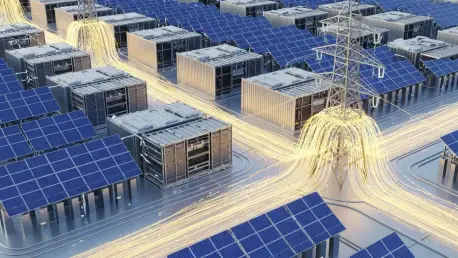

The global energy transition has reached a definitive tipping point where large-scale solar infrastructure is no longer an alternative power source but the primary engine of modern grid expansion. As of 2024, the Utility Solar Photovoltaic (PV) Engineering, Procurement, and Construction (EPC) market stands at a valuation of $61.3 billion, and it is now accelerating toward a projected $123.2 billion by 2033. This growth, characterized by a compound annual growth rate of 8.4%, signifies a fundamental restructuring of how nations design, build, and finance their energy futures. The sector, which manages projects exceeding 1 MW in capacity, has become the essential bridge between ambitious climate targets and the physical reality of a decarbonized electrical grid.
The Global Surge in Large-Scale Solar Infrastructure
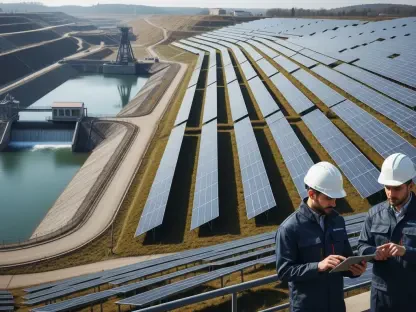
Modern energy strategy is currently defined by a massive shift in capital allocation, moving away from centralized fossil fuel plants toward decentralized yet high-capacity solar arrays. This transition is anchored by the EPC sector, which provides the technical expertise and logistical coordination necessary to turn vast tracts of land into high-performance power plants. The current trajectory suggests that the next decade will be defined by a doubling of market value, driven by an urgent need for energy independence and the undeniable cost-efficiency of solar technology on a global scale.
From Niche Projects to Global Dominance: The Evolution of Solar EPC
The journey of utility-scale solar began with experimental pilot programs that often required heavy state intervention to remain solvent. However, the landscape has shifted dramatically as the industry moved from these early “niche” phases into a standardized, high-volume production model. This evolution was facilitated by the maturation of the EPC framework, which offered investors a “turnkey” solution that mitigated technical risks. By centralizing the design, procurement of components, and physical construction under a single entity, the industry achieved the bankability required to attract institutional capital and compete directly with coal and gas.
Strategic Drivers and Market Dynamics
Policy Incentives and the Decarbonization Mandate
Governmental intervention remains a powerful tailwind, with major economies like the United States, China, and India setting the pace through aggressive legislative frameworks. These policies, ranging from the Inflation Reduction Act to specific production-linked incentives, provide a stable financial floor for EPC firms to plan long-term operations. By de-risking the massive upfront costs associated with multi-gigawatt projects, these mandates have transformed renewable energy into a preferred asset class for global private equity firms.
Technological Integration and Operational Efficiency
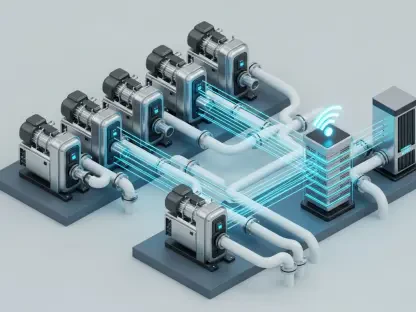
Advanced engineering is fundamentally altering the productivity of solar assets, moving beyond simple panel installation to integrated energy management. The adoption of bifacial modules, which capture light on both sides, and automated solar trackers has significantly boosted the energy yield per acre of land. Furthermore, the integration of artificial intelligence and digital twins during the construction phase allows EPC contractors to identify potential failures before they occur. These efficiencies collectively lower the levelized cost of energy, making solar the most attractive option for utility companies looking to expand their portfolios.
Regional Variations and the Integration of Energy Storage
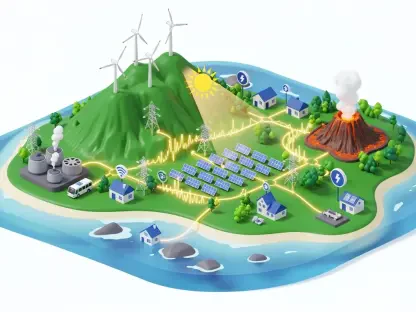
While the technology is universal, the application of utility solar varies wildly across different geographic and regulatory environments. In emerging markets within Southeast Asia and Latin America, EPC firms are navigating unique land-use laws and aging grid infrastructures that require creative engineering solutions. A major trend surfacing in these regions is the “solar-plus-storage” model, where Battery Energy Storage Systems (BESS) are integrated directly into the site. This shift allows solar plants to function as dispatchable power sources, providing electricity even when the sun is not shining and effectively solving the historical problem of intermittency.
Emerging Trends Shaping the Next Decade
The next ten years will likely see the rise of autonomous construction and “Green Financing” as the standard operating procedures for the industry. Robotics are already being tested for panel deployment and cleaning, which could drastically reduce labor costs in remote or harsh environments. Moreover, as Environmental, Social, and Governance (ESG) criteria become more stringent, EPC providers are being held to higher standards regarding supply chain transparency and the ecological impact of their construction sites. This push for “cleaner” construction is creating a new competitive tier where sustainability is as important as technical capability.
Strategic Recommendations for Industry Stakeholders
To thrive in this $123 billion landscape, stakeholders must pivot toward comprehensive lifecycle management rather than focusing solely on initial construction. EPC firms should invest heavily in local workforce development to navigate regional labor shortages and ensure specialized maintenance is available post-commissioning. Additionally, developers ought to prioritize early engagement with grid operators to streamline the interconnection process, which currently remains one of the largest bottlenecks for project completion. Adopting standardized modular designs will also be crucial for maintaining margins as the market becomes increasingly crowded with new players.
A Sustainable Horizon for Utility-Scale Solar
The expansion of the solar EPC market demonstrated that the global transition to renewables was as much a triumph of engineering and logistics as it was of environmental policy. By 2033, the sector had successfully integrated complex storage technologies and digital monitoring to provide a stable, 24/7 power supply across diverse climates. The maturation of the market ensured that large-scale solar became the cornerstone of energy security, proving that sustainable infrastructure could be both environmentally necessary and commercially lucrative. Ultimately, the industry moved beyond simple generation to become the architect of a resilient, interconnected energy future.