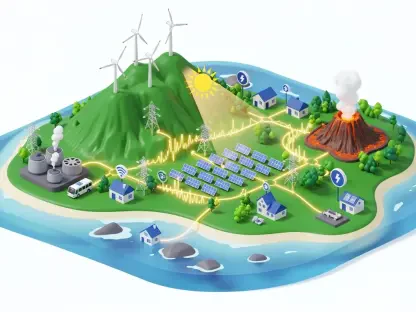

The sun-drenched coastline of Goa is currently undergoing a radical metamorphosis as the state swaps its historical dependence on external power grids for a localized, sun-powered energy economy. This transition marks a critical shift from a seasonal tourist destination toward a self-sustaining renewable energy hub, prioritizing carbon neutrality as a cornerstone of its modern identity. By integrating advanced photovoltaic technology into the very fabric of its tropical landscape, Goa is setting a high bar for environmental resilience.
Strategic government initiatives now serve as the primary engine for this change, aiming to harmonize ecological preservation with industrial progress. The current roadmap emphasizes a balanced growth model where large-scale public projects complement localized residential adoption. This multi-layered approach ensures that the benefits of green energy are not confined to a single sector but are distributed across the entire socio-economic spectrum of the state.
The State of Solar Adoption and Strategic Growth
Quantifying the Solar Shift: Growth Trends and Statistical Milestones
Data reflects a robust trajectory of adoption, with nearly 3,000 systems successfully integrated into the local grid over the past three years. This momentum is heavily supported by the PM Surya Ghar Muft Bijli Yojana, which targets the installation of 11,365 rooftop systems by 2027. Such targets demonstrate a clear commitment to decentralizing power production and empowering individual homeowners to become active contributors to the state energy supply.
Geographic analysis reveals that the shift is most pronounced in the Salcete, Bardez, and Tiswadi talukas, where urban density and high awareness have catalyzed rapid growth. These regions function as early adopters, providing a blueprint for more rural districts to follow as infrastructure matures. The steady rise in installations suggests that solar power is no longer viewed as a luxury, but as a standard component of Goan residential architecture.
Diversified Applications: From Residential Rooftops to Floating Plants
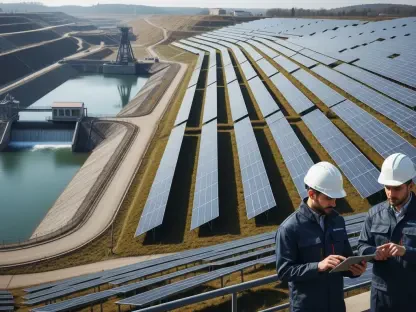
Public infrastructure is leading by example, with 383 government buildings currently being solarized to achieve a collective capacity of 30 MW. Beyond standard rooftops, the state is exploring the potential of its water bodies, as evidenced by the 4.22 MWp floating solar plant operating in the backwaters of Panaji. These projects utilize underused space, effectively bypassing the constraints of land scarcity that often hinder solar expansion in smaller states.
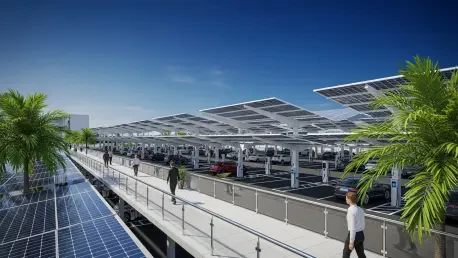
Urban and agricultural integration is also taking creative forms through the deployment of solar carports, walking sheds, and “solar trees” that blend utility with aesthetic appeal. For the rural heartland, the PM-KUSUM scheme provides off-grid solar pumps, ensuring that farmers remain productive without relying on an overextended electrical grid. This diversification ensures that solar technology remains versatile enough to meet the specific needs of both city dwellers and agricultural workers.
Expert Perspectives on Policy and Infrastructure Integration
Industry analysts suggest that Goa’s cohesive state-wide strategy is successfully modernizing a traditionally fragile power grid. By incentivizing decentralized energy production, the government reduces the strain on central substations and minimizes transmission losses. Experts highlight that the success of this model lies in its accessibility; the combination of state subsidies and federal support makes the initial capital investment manageable for the average citizen.
Technical challenges remain, particularly regarding the synchronization of varied energy sources into a stable portfolio. Integrating decentralized arrays requires sophisticated grid management systems to handle the intermittent nature of solar generation. However, the current investment in smart grid technology indicates that the state is prepared to manage these fluctuations, ensuring that the transition toward renewables does not compromise the reliability of the daily power supply.
Future Outlook: Diversification and Long-Term Sustainability
The roadmap for energy independence extends beyond the sun, with feasibility studies currently assessing a 100 MW vertical axis wind energy project. This move toward wind-solar hybrids could provide a more consistent energy output, especially during the monsoon season when solar efficiency naturally dips. Furthermore, agri-solar initiatives at institutions like the Goa College of Agriculture are proving that food production and energy generation can coexist profitably on the same land.
Long-term sustainability hinges on overcoming logistical hurdles such as the maintenance of specialized floating infrastructure and the limited availability of vast land parcels. To maintain this growth, the state will likely need to refine its waste management protocols for aging panels and continue investing in battery storage technology. Successfully navigating these obstacles will solidify Goa’s reputation as a national leader in the transition toward a resilient and green economy.
Goa’s Path Toward a Resilient Energy Future
The expansion of Goa’s solar infrastructure successfully demonstrated that small states could lead massive environmental shifts through targeted policy and public participation. By bridging the gap between residential needs and large-scale public projects, the state created a comprehensive ecosystem that rewarded sustainable choices. This multifaceted strategy effectively stabilized the local grid while reducing the carbon footprint of the most popular tourist regions.
Moving forward, the focus must shift toward maximizing the efficiency of existing installations and expanding energy storage capacities to ensure a 24-hour green power supply. Policymakers should also prioritize the development of a local workforce skilled in maintaining specialized renewable hardware to keep the infrastructure operational. If Goa continues to refine this holistic model, it provided a definitive template for how other regions can successfully navigate the complexities of a modern energy transition.