
Global energy markets are currently trembling under the weight of $100-a-barrel oil, a reality forced upon the world by the sudden closure of the Strait of Hormuz. This crisis transformed energy security from a boardroom topic into a household emergency. Faced with soaring costs, policymakers are looking toward South America for a solution that involves a radical trade-off: swapping beef imports for high-grade bioethanol.
The Geopolitical Crossroads of Energy and Agriculture
The European economy faces a critical juncture where the price of fuel impacts the stability of the dinner table. With Middle Eastern supply lines compromised, reliance on petroleum became a liability. This volatility forced a rethink of the EU-Mercosur trade deal, shifting focus toward commodities that address an immediate deficit rather than creating a domestic surplus.
Understanding the EU-Mercosur Friction and the Energy Deficit
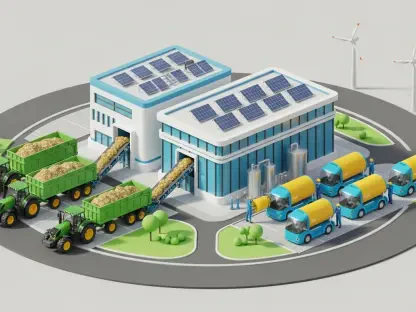
The Irish Cattle and Sheep Farmers’ Association (ICSA) argued that the current trade trajectory is misaligned with regional needs. As member states transition to E10 fuel standards, the demand for renewable components has outpaced local production. This energy vacuum turned Brazilian bioethanol into a strategic necessity for meeting climate targets without straining local land resources.
Analyzing the Strategic Shift: Bioethanol vs. Beef
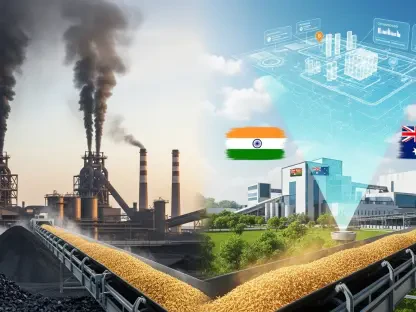
Importing commodities that solve energy scarcity is more logical than flooding saturated meat markets. While South American beef threatens rural livelihoods, bioethanol provides a ready-made solution for the transport sector. The environmental trade-off also favors fuel; bioethanol offers significant lifecycle emission savings compared to the heavy carbon footprint of imported livestock production.
Perspectives from the Frontlines of European Agriculture
Edmond Phelan, the ICSA’s Rural Development chair, labeled the provisional application of the Mercosur deal as reckless. He maintained that trade should be a complementary relationship that fills gaps in the energy grid rather than a competitive one that pits global conglomerates against family farms. Advocates called for judicial intervention to ensure trade deals did not undermine the economic sovereignty of local producers.
Navigating the Path to a Balanced Trade Policy
Policymakers identified resource scarcity as the primary filter for future negotiations. They established a framework that prioritized imports capable of stabilizing fuel costs while ensuring rigorous legislative oversight to protect domestic food security. This strategy integrated biofuels into national energy plans and fostered a more resilient ecosystem that balanced global trade with the preservation of the European agricultural industry.