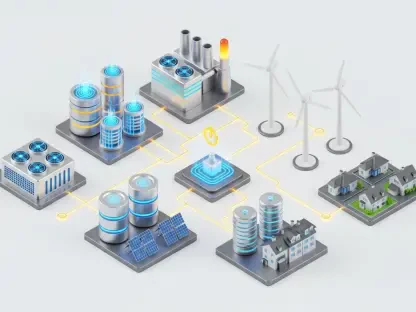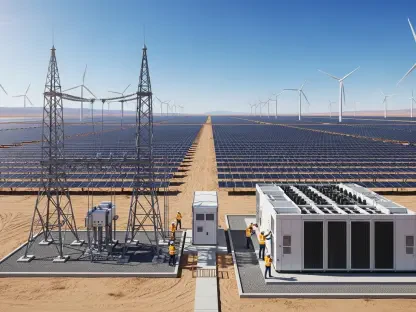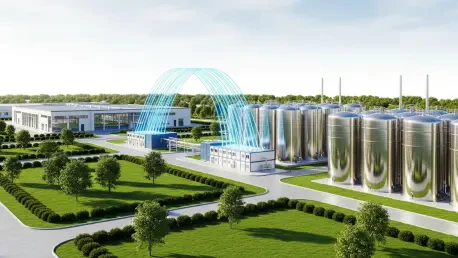

The aviation industry currently stands as one of the most formidable obstacles to global decarbonization efforts due to its heavy reliance on high-energy-density liquid fuels that are notoriously difficult to replace with existing battery or hydrogen technologies. To address this persistent environmental hurdle, Rolls-Royce SMR and the United Kingdom-based developer Equilibrion have formalized a strategic partnership to investigate the technical and economic viability of utilizing nuclear energy for the mass production of sustainable aviation fuel. This collaboration marks a significant shift in how the sector views energy sourcing, moving away from a total reliance on intermittent renewables toward the consistent power provided by small modular reactors. By merging advanced reactor designs with specialized production systems, the partners aim to create a reliable bridge between carbon-neutral energy and the liquid fuel requirements of modern jet engines. This initiative seeks to transform the manufacturing landscape for synthetic fuels by providing the steady thermal and electrical inputs required for high-efficiency industrial processing at a scale previously deemed unattainable.
The Technical Foundation: Powering the Flight Industry
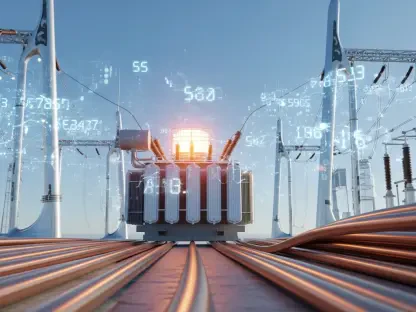
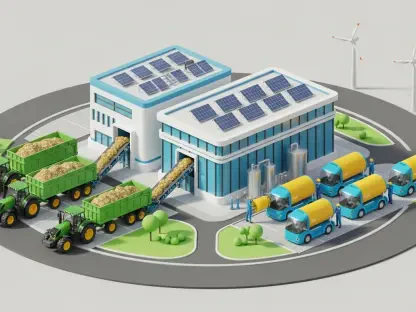
The integration of factory-built small modular reactors into the “power-to-liquids” production cycle offers a transformative approach to manufacturing synthetic e-SAF. Unlike traditional methods that depend on the fluctuating availability of wind or solar power, a dedicated nuclear installation provides a constant stream of high-temperature heat and electricity, which are essential for the energy-intensive chemical reactions needed to synthesize hydrocarbons. Preliminary studies indicate that a single Rolls-Royce SMR unit could produce over 160 million liters of sustainable fuel annually, a volume that would satisfy approximately one-third of the United Kingdom’s projected 2040 mandate for synthetic fuels. This high-density energy application is particularly crucial because sustainable alternatives currently account for less than one percent of global consumption. By stabilizing the energy supply chain, this technology reduces the lifecycle emissions of the final product while simultaneously improving the overall economic efficiency of the fuel synthesis plant.
Strategic Implementation: Securing a Carbon Neutral Horizon
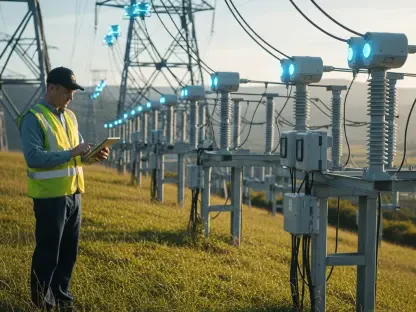
The partnership successfully established a framework for a demonstration facility scheduled to begin operations by 2030, marking a transition from theoretical modeling to tangible infrastructure development. This collaborative effort prioritized the creation of thousands of high-skilled jobs and the strengthening of domestic energy security by reducing dependence on imported fossil fuels. Moving forward, the industry must focus on scaling these modular nuclear deployments to meet the aggressive national target of a twenty-two percent sustainable fuel mix by 2040. Strategic investment in dual-purpose nuclear sites, which simultaneously provide grid power and industrial heat for fuel synthesis, represents the most viable path toward deep decarbonization. Decision-makers should now prioritize the harmonization of regulatory standards for SMR-integrated chemical plants to accelerate the commercial deployment of these systems. Expanding this model beyond the UK will require international cooperation to ensure that the infrastructure for synthetic fuels becomes a global standard for long-haul transportation.