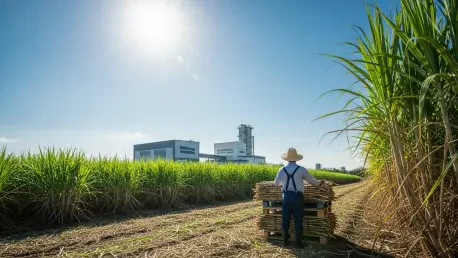

The legislative push to grant the Philippine presidency the authority to waive the mandatory blending of biofuels has sparked a significant confrontation between agricultural stakeholders and national policymakers. Senate Bill No. 1485 serves as the primary catalyst for this debate, proposing a mechanism where the biofuel mandate could be temporarily halted if the price of blended fuel exceeds that of pure fossil fuel by five percent or more. This potential shift is framed as an emergency measure to protect consumers from the volatility of global energy markets and rising local pump prices. However, the agricultural sector views this as a direct threat to the stability of the domestic sugar industry, which has spent years integrating into the national energy strategy. The tension underscores a fundamental conflict between immediate economic relief for motorists and the long-term goal of achieving energy self-sufficiency through local production. Such a move would potentially undo decades of progress made under the Biofuels Act, leaving thousands of sugarcane producers in a precarious financial state as they navigate a shifting energy landscape.
Impact on the Agricultural Backbone
Renato Cabati, representing the Ethanol Producers Association of the Philippines, emphasized that the production of ethanol from molasses is no longer just a byproduct but a vital revenue stream for the nation’s farmers. Molasses accounts for approximately 13 percent of the total income for sugarcane growers, making it a critical buffer against the rising operational costs that plague the sector. With nearly 95,000 farmers managing over 400,000 hectares of land, the ripple effects of a mandate suspension would be felt across the entire rural economy. This pressure is compounded by a 29 percent increase in fertilizer prices, which has already squeezed profit margins to the breaking point. Producers argued that the higher cost of domestic ethanol is not a sign of inefficiency but rather a reflection of systemic challenges, including complex land reform issues, the archipelagic geography of the country, and the frequent climate disruptions that hinder consistent crop yields. Ending the mandate could lead to a sudden collapse in demand that farmers are currently unprepared to absorb or pivot away from.
Strategic Alternatives for Policy Stability
Energy Secretary Sharon Garin defended the proposed amendment as a necessary safeguard for national energy security, providing a backup measure to stabilize the market during periods of intense geopolitical tension. Senator Sherwin Gatchalian further highlighted the economic disparity, noting that domestic ethanol prices reached approximately ₱75.93 per liter, while international imports remained significantly lower at ₱37.58. In response to these concerns, the Senate explored a balanced framework that prioritized both consumer protection and agricultural preservation. Legislative leaders recognized that simply removing the mandate could lead to an over-reliance on foreign fuel, thus compromising the original intent of the Biofuels Act. Therefore, the focus shifted toward implementing direct subsidies and compensatory programs for sugar farmers to offset potential losses from price fluctuations. These measures sought to bridge the gap between high production costs and the need for affordable energy. By integrating financial support with flexible mandates, policymakers aimed to create a more resilient energy ecosystem.