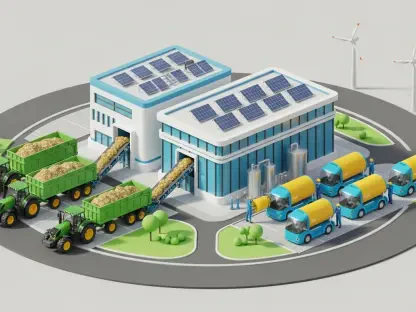

The transformation of urban waste into high-value energy and agricultural resources represents a pivotal shift in how modern cities manage the environmental footprint of large-scale cultural events. As traditional landfill capacities dwindle, the Penang Island City Council (MBPP) has pivoted toward a circular economy model that treats organic refuse as a raw material rather than a liability. This strategic shift addresses the seasonal surge of 900 tonnes of waste across 26 bazaar locations, ensuring that festive consumption does not compromise long-term ecological health. By integrating advanced processing technologies with community-wide participation, the municipality established a framework for sustainable urbanism that resonates across the region.
The Evolution of Seasonal Waste Management Strategies
Historically, the spike in waste generation during festive periods overwhelmed local infrastructure, leading to increased methane emissions from decomposing organic matter in landfills. To counter this, city officials adopted the Penang2030 vision, transitioning away from the antiquated “collect and dump” methodology toward a resource-recovery system. This evolution was necessary as the environmental costs of traditional disposal began to outweigh the logistical ease of landfilling. The current strategy prioritizes high-recovery rates, aiming to minimize the carbon footprint of the thousands of participants who frequent these vibrant community hubs.
Technological Integration in Organic Waste Transformation
Utilizing Mechanical Separation for Agricultural Soil Enrichment
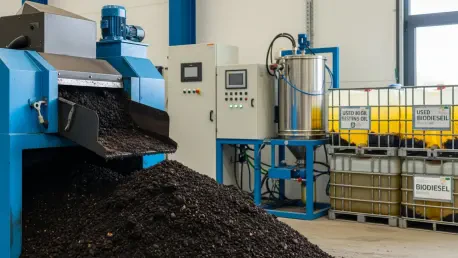
At the center of this initiative is the implementation of specialized machinery at the Bayan Putra bazaar designed to process food scraps on-site. This technology employs a mechanical separation process that divides organic waste into oil, water, and solid particles. The resulting solids are stabilized to create nutrient-rich compost, which supports local urban farming and enhances soil health. This loop ensures that food waste is diverted from the Pulau Burung landfill and returned to the ecosystem as a valuable agricultural input.
Driving the Circular Economy through Biodiesel Partnerships
Beyond solid refuse, the management of used cooking oil (UCO) presents a significant logistical challenge due to its potential to clog drainage systems. Through a strategic partnership with the national energy company, Petronas, the council established a collection network to repurpose UCO into biodiesel. This collaboration converted a hazardous byproduct into a cleaner-burning fuel alternative. Such public-private synergies are essential for meeting climate goals, as they provide traders with a seamless way to contribute to renewable energy production.
Scaling Behavioral Change through Strategic Infrastructure
The success of these technical solutions depends heavily on the active participation of 1,481 approved stall holders and the visiting public. To facilitate this, the MBPP deployed clearly labeled segregation bins in high-traffic zones like Balik Pulau and Prangin Mall. These installations served to educate the community on the importance of source separation, fostering a culture of environmental mindfulness. By making the process intuitive, the council successfully integrated waste management into the daily operations of the bazaar, ensuring high-quality feedstock for the processing facilities.
Anticipated Growth in Green Urban Infrastructure
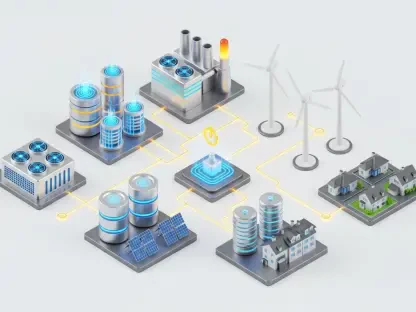
Future market trends suggest a rapid expansion of these waste-to-wealth technologies to all public festivities within the state. The integration of IoT-enabled “smart bins” and more sophisticated anaerobic digestion facilities will likely characterize the next phase of urban management. As carbon credit markets evolve, the ability to harvest fuel and compost from municipal waste streams will provide a distinct economic advantage. Cities that successfully implement these near-zero waste models will be better positioned to navigate rising disposal costs and increasingly stringent environmental regulations.
Commercial Viability: Balancing Profit and Planet
The bazaar season remains a powerhouse for local micro-economies, projected to generate RM75 million in economic activity while supporting 5,000 jobs. To maintain this vitality, the council kept stall fees at a nominal RM3 per day, ensuring that sustainability mandates did not create financial barriers for small businesses. This approach coupled strict hygiene standards and mandatory vaccinations with economic accessibility. The result was a model of “sustainable commercialism” where public health and environmental stewardship were achieved without sacrificing the financial success of local entrepreneurs.
Strategic Takeaways for a Resilient Urban Legacy
The initiative effectively demonstrated that large-scale cultural events could serve as catalysts for environmental innovation. By transforming food waste into compost and fuel, the municipality reduced landfill reliance and pioneered a replicable model for other urban centers. Strategic actions in the coming months involved scaling these pilot programs to year-round operations and further incentivizing private sector involvement in biodiesel production. This proactive stance ensured that the city remained a leader in green governance, turning the challenges of rapid urbanization into opportunities for resource independence.