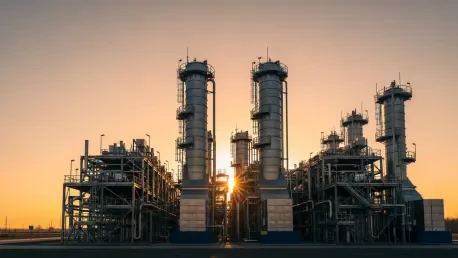

The American energy landscape is currently undergoing a radical transformation as carbon-negative fuel sources move from the periphery of the grid to the very center of national climate strategy. By leveraging organic waste and forest residues, the bioenergy sector provides a rare combination of renewable generation and reliable base-load stability that wind or solar alone cannot replicate. This strategic role is increasingly vital as the United States seeks to balance aggressive decarbonization goals with the practical need for a resilient, always-on power supply.
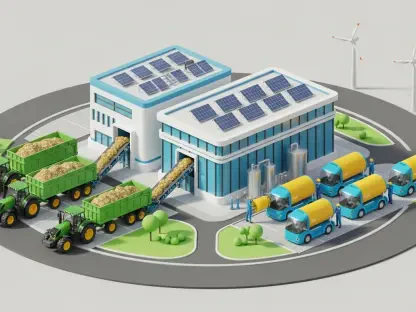
Diversification has become the hallmark of the modern biomass industry. While traditional woody biomass remains a cornerstone, the market has rapidly expanded to include sophisticated biogas capture from agricultural operations and landfill gas recovery systems. These diverse feedstocks allow the industry to integrate seamlessly into the national power grid, providing a steady flow of electricity that complements intermittent renewables. This evolution reflects a broader regulatory shift away from narrow, technology-specific mandates toward flexible, outcomes-based frameworks that prioritize actual carbon reduction over specific mechanical processes.
Market Dynamics and the Shift Toward Technology-Neutral Incentives
Emerging Trends in Feedstock Management and Emission Verification
The rise of lifecycle greenhouse gas assessment has introduced a standardized metric that levels the playing field for all bioenergy producers. Instead of favoring one fuel type, current regulations focus on the total carbon footprint from harvest to combustion, rewarding projects that achieve zero or negative emissions. This shift has accelerated the adoption of advanced anaerobic digestion and gas-to-energy conversion technologies, which turn methane—a potent warming gas—into a productive power source for the American public.
Corporate and consumer demand for “green” base-load power is driving a surge in project viability. As companies look to meet strict environmental commitments, the ability of biomass to provide a constant energy stream becomes a significant market advantage. Consequently, project designs are now being optimized to meet lower emission requirements from the outset, ensuring that facility operators can prove their environmental value to both regulators and private investors seeking long-term stability.
Growth Projections and Economic Forecasts for Bioenergy Projects
Investment in the sector is expected to climb steadily through the 2035 construction deadline, supported by a favorable federal tax environment. This long-term runway allows for the planning of complex, utility-scale facilities that require significant lead times for permitting and development. Comparative data suggests that biomass generation capacity will see a marked increase in the coming years, bridging the gap between small-scale community digesters and massive grid-level power plants.
The economic ripple effects of this growth extend far beyond the energy sector itself. By providing a financial incentive for waste management, the new tax framework helps decarbonize the agricultural and forestry industries, turning potential liabilities into revenue-generating assets. This systemic change fosters regional economic resilience, particularly in rural areas where feedstock collection and processing create high-quality local jobs that cannot be easily outsourced.
Navigating Operational Hurdles and Strategic Credit Selection
Developers currently face a critical crossroads when deciding between the Investment Tax Credit and the Production Tax Credit. Each path offers distinct advantages depending on the capital intensity and expected output of the project. While the investment-based credit provides immediate relief for upfront costs, the production-based alternative rewards long-term operational efficiency. Choosing the wrong path can leave millions of dollars on the table, making financial modeling a primary focus for modern energy stakeholders.
There are, however, specific technical exclusions that require careful navigation. For instance, current guidance under Section 48E excludes auxiliary equipment like anaerobic digesters from certain credit calculations, focusing strictly on the power-generation hardware. Furthermore, the burden of proof for feedstock traceability remains exceptionally high. Developers must maintain impeccable records to prove the origin and lifecycle impact of their materials, or they risk losing their tax-preferred status during federal audits.
The Regulatory Framework: Sections 45Y, 48E, and Domestic Content Mandates
Section 45Y and Section 48E represent the twin pillars of the current federal incentive structure, offering a robust baseline for clean electricity production. To unlock the full 30% credit tier, projects must strictly adhere to prevailing wage and apprenticeship requirements, ensuring that the transition to clean energy also supports the American workforce. These provisions have turned energy policy into a tool for social and economic development, particularly in regions where traditional industries have declined.
A significant bonus is available for projects located in designated energy communities, such as former coal towns or industrial hubs. This 10% boost is designed to revitalize local economies while repurposing existing infrastructure for the green economy. However, new geopolitical restrictions have introduced a layer of complexity. The One Big Beautiful Bill Act prohibits the use of components from foreign entities of concern, forcing developers to overhaul their supply chains to ensure every nut, bolt, and turbine meets domestic or friendly-nation requirements.
The Future of US Biomass: Innovation, Resilience, and Global Competition
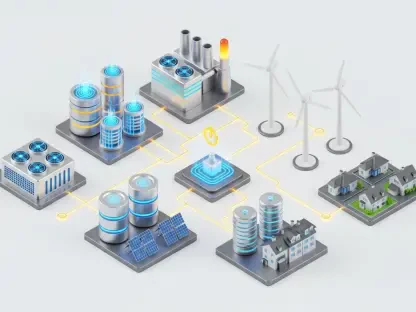
Biomass is increasingly viewed as the “glue” that holds a renewable grid together during periods of low wind or solar output. Its ability to scale production up or down on demand provides the frequency response and voltage support necessary for grid stability. Looking ahead, the integration of carbon capture and storage with bioenergy, often called BECCS, offers the tantalizing prospect of large-scale atmospheric carbon removal, potentially making the sector a net-negative contributor to global emissions.
Adapting to these new requirements requires a departure from old supply chain models. Producers must now navigate a landscape where domestic component sourcing is not just a preference, but a financial necessity. As global energy prices fluctuate and federal policies evolve, the ability to maintain a localized, secure supply of fuel and equipment will define the winners in the bioenergy race. This shift reinforces American energy independence while insulating the domestic market from foreign supply shocks.
Strategic Outlook for the Bioenergy Sector Under New Federal Guidance
The transition to technology-neutral credits effectively leveled the playing field, allowing biomass to compete directly with other low-carbon technologies based on merit and performance. Developers and stakeholders who embraced the rigorous documentation standards for emissions and labor were best positioned to capture the maximum available incentives. Moving forward, the focus shifted toward optimizing facility efficiency and securing long-term feedstock contracts to ensure steady production through the next decade.
The industry demonstrated a remarkable capacity to adapt to the stringent domestic content and geopolitical rules that emerged in the mid-2020s. By prioritizing regional supply chains and investing in advanced carbon-monitoring software, the bioenergy sector solidified its role as a primary driver of American energy independence. These strategic adjustments ultimately paved the way for a more resilient and decentralized power grid capable of meeting the nation’s rising electricity demands while simultaneously achieving deep decarbonization.