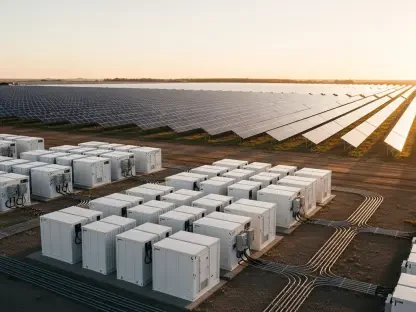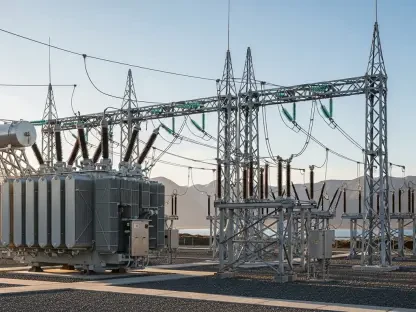

The South African energy landscape is currently undergoing a radical transformation as private capital moves to fill the gaps left by a historically constrained national utility provider. This shift is not merely about adding capacity; it represents a fundamental move toward a decentralized, flexible power system that can support a modern industrial economy. The recent financial close of the 219 MWdc Orkney solar PV project stands as a testament to this evolution, signaling that the era of state-led monopolies is giving way to a more resilient and diversified energy mix.
The Evolution of South Africa’s Renewable Energy Infrastructure
The transition from a coal-dependent, centralized grid toward a cleaner, more agile infrastructure is gaining significant momentum across the region. By integrating the Orkney solar PV project into the national framework, the North West province is becoming a central hub for energy innovation. This facility does not just provide 150 MWac of export capacity; it serves as a critical pillar for national energy security, ensuring that regional growth is supported by reliable and sustainable power sources.
Strategic partnerships between developers like Mulilo and forward-thinking energy traders like Etana Energy are redefining how electricity moves through the country. These collaborations are essential for modernizing the grid, as they utilize existing infrastructure in more efficient ways. Beyond the technical benefits, the socio-economic impact on the North West province is substantial, creating high-value jobs and fostering local development through large-scale utility investments that were previously the sole domain of the public sector.
Driving Forces Behind the Private Power Surge
Emergence of Power Wheeling and Corporate Off-Take Models
A new era of innovative Power Purchase Agreements (PPAs) is allowing corporations to secure their energy future without being tethered to traditional utility limitations. Through the mechanism of energy wheeling, power generated in one part of the country can be delivered across national and municipal grids to private customers elsewhere. This flexibility is a game-changer for industrial players who require cost-competitive and sustainable energy solutions to remain competitive in a global market that increasingly prioritizes green credentials.
Quantifying the Impact of Large-Scale Solar Investments
The scale of the Orkney project is reflected in its impressive performance metrics, with an anticipated annual yield of 478 GWh. Such a high output is vital for maintaining grid stability as more variable renewable sources come online. From an environmental standpoint, the project will offset approximately 500,000 tons of carbon dioxide annually. This progress is part of a larger trend, as Etana Energy has successfully expanded its renewable portfolio by over 500 MW within a single calendar year, demonstrating the speed at which private markets can scale.
Navigating the Technical and Financial Hurdles of Utility-Scale Solar
Securing financial close for a project of this magnitude requires navigating a labyrinth of economic and technical challenges. Despite a volatile global economic climate, the bankability of the Orkney project was solidified by the involvement of premier financial institutions like Absa and Standard Bank. Their participation underscores the growing confidence that lenders have in the long-term viability of private energy structures, provided they are backed by robust technical designs and transparent legal frameworks.
Furthermore, overcoming physical infrastructure limitations necessitates meticulous site selection and deep collaboration between legal experts, engineers, and financial advisors. The successful integration of the Orkney site into the existing grid required complex multi-party negotiations to ensure that every technical risk was mitigated. This disciplined approach to project development has become the gold standard for utility-scale solar, proving that even the most complex logistical hurdles can be cleared with the right expertise.
Reforming Policy to Enable Decentralized Energy Distribution
Recent regulatory shifts have been the primary catalyst for the current surge in private-led energy generation. By relaxing the constraints on private entities, the government has allowed for a more competitive marketplace where speed and efficiency are rewarded. These policy changes ensure that new projects can reach financial close faster than ever before, provided they comply with evolving national standards for renewable integration and safety.
A transparent legal framework is essential for maintaining this pace of development. When developers and investors have a clear roadmap, the timeline from initial inception to the start of construction is significantly reduced. This streamlined process encourages more international and local players to enter the market, creating a healthy ecosystem where private-led distribution can thrive alongside traditional state efforts.
Charting the Path Toward a Decarbonized National Grid
The roadmap for the future involves a sophisticated blend of multi-source renewable portfolios, including wind, solar, and hydroelectric power. As the Orkney project demonstrates the viability of solar at scale, the next logical step involves the integration of advanced storage solutions and hybrid systems to manage intermittency. These technological disruptors will likely define the next phase of the energy transition, allowing for a 24-hour supply of clean electricity.
The success of the Mulilo-Etana collaboration serves as a functional blueprint for future private-sector energy investments. It proves that the market is ready for high-capacity, decentralized projects that can operate independently of traditional state procurement programs. As these hybrid models become more common, the national grid will naturally move toward a lower carbon footprint while increasing overall energy independence.
Advancing South Africa’s Energy Independence through Strategic Investment
The achievements of the Orkney financial close catalyzed a shift in how stakeholders perceive the viability of green energy investments in Southern Africa. This project demonstrated that private partnerships can deliver massive capacity with remarkable speed, providing a clear signal to the market that the demand for cost-effective renewable power is far from saturated. Investors looking to capitalize on this trend should focus on projects that utilize wheeling agreements and demonstrate strong alignment with corporate sustainability mandates.
Moving forward, stakeholders adopted more aggressive strategies to integrate hybrid storage and smart-grid technologies into their portfolios. The legal and financial structures pioneered during this phase provided the necessary confidence for larger institutional funds to enter the renewable space. By focusing on long-term operational excellence and regional cooperation, the industry successfully transitioned toward a model of energy independence that favored decentralized, private-led distribution.