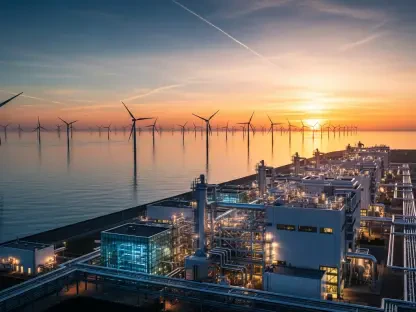

A landmark agreement has been solidified that promises to inject 630 megawatts of advanced wind power into Brazil’s already impressive renewable energy grid, but the implications of this partnership reach far beyond mere electricity generation. The collaboration between Chinese renewable energy solutions provider Envision Energy and the prominent Brazilian developer Casa dos Ventos represents a pivotal moment in the nation’s green transition. This contract for Envision’s first net-zero energy project in the country is not merely a transactional supply of hardware; it is a deeply integrated strategic alliance designed to set new benchmarks for energy transformation across Latin America. The partnership is anchored by the deployment of cutting-edge technology and a comprehensive 30-year service agreement, signaling a long-term commitment to optimizing Brazil’s vast renewable resources. This initiative is the culmination of high-level strategic discussions involving top leadership from both companies and the Brazilian government, underscoring its national importance and its potential to catalyze a new era of sustainable development. It lays the groundwork for a multifaceted energy ecosystem that could soon encompass green hydrogen, sustainable aviation fuels, and advanced digital asset management.
A Landmark Technological Alliance
Pioneering Advanced Turbine Technology
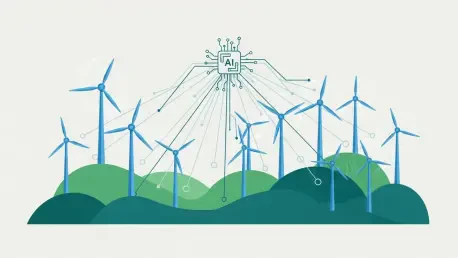
The core of this transformative agreement involves the deployment of Envision’s highly customized 8.xMW Galileo AI wind turbines, which stand among the largest and most technologically sophisticated single-capacity units to be introduced in Brazil. These machines are not off-the-shelf products; they have been meticulously engineered to align with the specific demands of the local grid infrastructure and to capitalize on the region’s unique wind resources. This bespoke approach is critical for maximizing energy production efficiency and ensuring the long-term sustainability and reliability of the project. The integration of artificial intelligence through the Galileo platform enables the turbines to perform predictive maintenance, optimize blade pitch in real-time, and dynamically adjust their output to maintain grid stability. This level of intelligent control moves beyond simple power generation, transforming the wind farm into a responsive and integral component of the national energy system. By introducing such advanced, high-capacity technology, the partnership aims to demonstrate a new model for renewable energy projects, where technological innovation directly translates into enhanced performance and greater economic value for the host nation.
The significance of this technological deployment is further amplified by its classification as a net-zero energy project, a first for Envision in the Brazilian market. This designation implies a holistic approach that extends beyond the operational phase of the wind turbines. It encompasses the entire lifecycle, from manufacturing and transportation to installation and eventual decommissioning, with a focus on minimizing the project’s overall carbon footprint. The Galileo AI turbines are instrumental in achieving this goal, as their optimized performance reduces energy losses and maximizes the output from every gust of wind, thereby improving the project’s environmental credentials. This commitment to a net-zero framework signals a crucial evolution in the renewable energy sector, shifting the focus from simply generating clean electricity to building entire energy systems that are sustainable from the ground up. This forward-thinking strategy aligns perfectly with Brazil’s ambitious environmental targets and positions the country as a testing ground for next-generation green technologies that could be replicated globally, setting a new standard for responsible energy development.
Forging a Long-Term Commitment
A defining feature that elevates this agreement beyond a conventional supply contract is the comprehensive 30-year long-term service agreement. This extensive commitment underscores a profound and enduring partnership between Envision Energy and Casa dos Ventos, ensuring the project’s operational excellence and financial viability for decades to come. Such a long-term arrangement is far more than a simple maintenance plan; it represents a shared investment in the sustained performance and longevity of the 630MW wind farm. It guarantees that the advanced Galileo AI turbines will be continuously monitored, maintained, and updated with the latest software and operational strategies, protecting the asset’s value and ensuring a consistent and reliable supply of clean energy to the Brazilian grid. This three-decade pact fosters a deep-seated collaboration, facilitating the ongoing transfer of technical expertise and promoting the development of a skilled local workforce capable of managing state-of-the-art renewable energy infrastructure. Ultimately, it provides the stability and predictability necessary to attract further investment into Brazil’s green energy sector.
This strategic alliance was formalized by the respective leaders of the two companies, Lei Zhang of Envision and Mário Araripe of Casa dos Ventos, but its roots lie in a shared vision for the future of energy in Latin America. The agreement is the tangible outcome of a relationship built on mutual trust and a common goal to accelerate the green transition. This is not a typical supplier-client dynamic but a synergistic partnership where both entities contribute their unique strengths to achieve a collective objective. The long-term service agreement is a testament to this collaborative spirit, creating a framework for continuous innovation and adaptation over the project’s lifespan. As new technologies emerge and grid requirements evolve, this partnership is structured to be agile, allowing for the integration of future advancements in energy storage, grid management, and digital optimization. This ensures the project will not only meet the energy needs of today but will also remain at the forefront of the renewable energy sector, serving as a dynamic and evolving model for sustainable infrastructure development.
The Strategic Vision for a Green Future
Expanding Beyond Hardware Supply
The foundation of this landmark deal was built during a series of high-level strategic discussions that included direct engagement between Envision’s leadership and Brazilian President Luiz Inácio Lula da Silva. These conversations transcended the technical specifications of wind turbines, focusing instead on a much broader and more ambitious agenda for Brazil’s sustainable future. The dialogue centered on accelerating the nation’s green transition, exploring the development of integrated net-zero industrial parks, and pioneering new energy frontiers such as green hydrogen and sustainable aviation fuel. This high-level backing signifies that the agreement is not an isolated commercial venture but a key component of Brazil’s national economic and environmental strategy. It reflects a concerted effort to leverage international partnerships to build a comprehensive green economy, positioning Brazil not just as a consumer of renewable technology but as a global leader in the production and export of clean energy and its derivatives. The deal thus serves as a powerful catalyst, unlocking a pathway toward industrial decarbonization and sustainable growth.
The strategic intent behind the partnership is to establish a new benchmark for energy transformation that extends far beyond Brazil’s borders, creating a replicable model for the entire Latin American region. By successfully deploying a holistic, system-level energy solution, Envision and Casa dos Ventos aim to showcase a more sophisticated and effective approach to renewable energy development. This project will serve as a powerful case study, demonstrating how the integration of advanced hardware, intelligent software, and long-term operational commitments can deliver superior outcomes in terms of efficiency, reliability, and economic return. The success of this 630MW wind farm is expected to create a significant ripple effect, encouraging other nations in the region to adopt similar integrated strategies. It positions Envision’s net-zero technologies as a blueprint for accelerating the continent’s collective shift away from fossil fuels, attracting further foreign investment and fostering a new wave of technological collaboration across Latin America.
Building a Comprehensive Energy Ecosystem
The future trajectory of this collaboration is poised to evolve far beyond the initial scope of wind power generation, laying the foundation for a truly comprehensive and interconnected energy ecosystem. The partnership is actively exploring expansion into several synergistic areas, including advanced digital asset management platforms that would optimize the performance of the entire renewable energy portfolio. Furthermore, there is a clear vision to integrate solutions for the production of green hydrogen and green ammonia, leveraging the abundant clean electricity generated by the new wind farm. This forward-looking strategy aims to create new value chains and support the decarbonization of hard-to-abate sectors such as heavy industry, agriculture, and long-haul transportation. By venturing into these next-generation energy vectors, the partnership is not just supplying electrons to the grid; it is building the critical infrastructure required for Brazil to become a major player in the global market for green fuels and chemicals, transforming a simple wind deal into a cornerstone of a new sustainable economy.
A Blueprint for Integrated Renewable Systems
Ultimately, the agreement between Envision Energy and Casa dos Ventos established a new and influential model for international collaboration within the renewable energy sector. The venture was never solely about the installation of wind turbines; its true significance was found in the integration of AI-driven operational intelligence, a commitment to a multi-decade partnership, and a shared vision for a diversified green energy portfolio. This comprehensive approach addressed not just the generation of power but also the long-term management, optimization, and future application of that clean energy. This deal, therefore, represented a pivotal moment that shifted the prevailing paradigm. It moved beyond the concept of developing isolated energy projects and instead demonstrated how to create a comprehensive, intelligent, and resilient energy ecosystem. The framework it created became a blueprint for Brazil and other nations, illustrating a pathway toward a truly sustainable and economically prosperous future.